
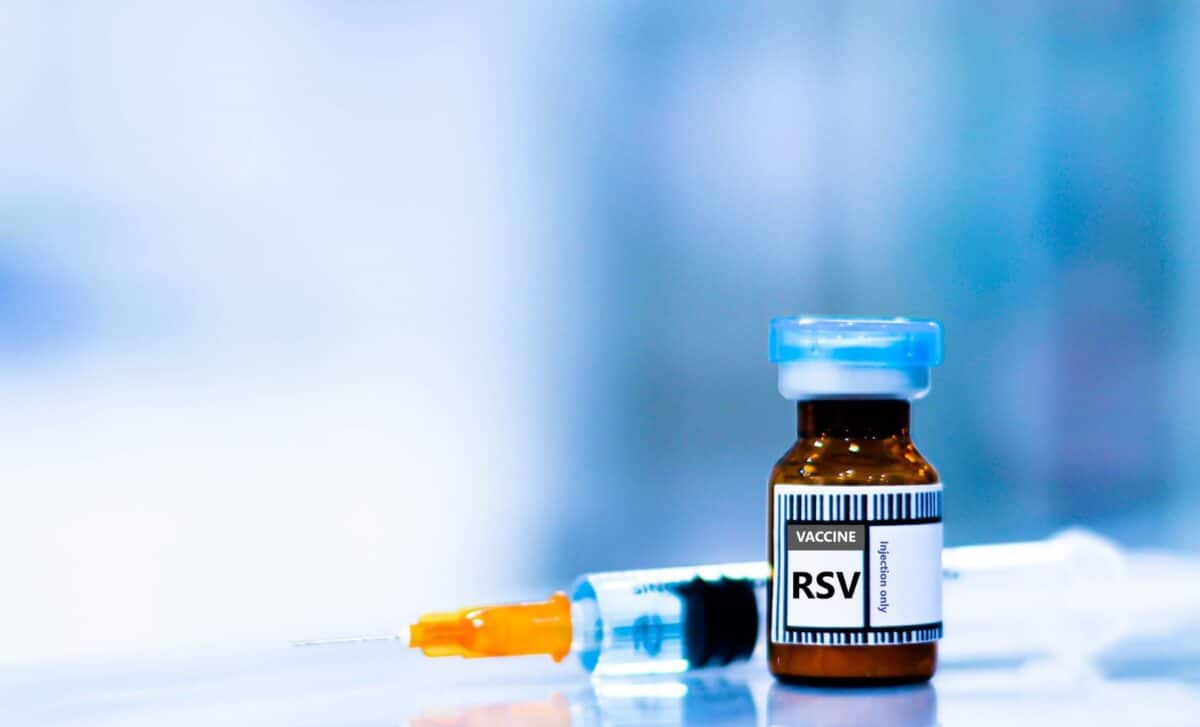
Health experts are urging the federal government to make the $300 respiratory syncytial virus (RSV) vaccine free for thousands of vulnerable Australians. The call comes as the country records nearly 120,000 RSV cases this year, with older adults and people with pre-existing conditions most at risk of serious illness.
Advocates argue that the high cost of the vaccine is preventing access for those who need it most. They believe that funding the jab through the National Immunisation Program could significantly reduce hospital admissions and protect vulnerable groups, according to the Lung Foundation Australia.
High Infection Rates Raise Public Health Concerns
RSV, a highly contagious respiratory virus, can cause severe symptoms and complications in older adults, leading to hospitalisation and, in some cases, death. According to Professor Paul Griffin, director of infectious diseases at Mater Health Services, “unfortunately a proportion of them don’t survive.”
Patients like Anne Fidler, who contracted the virus from her granddaughter, highlight the dangers. Fidler, who has a pre-existing lung condition, experienced worsening symptoms including wheezing and difficulty breathing. “Trying to get breath into my lungs, which was the hard part, that I thought this is not normal,” she said.
Currently, RSV vaccination is free only for pregnant women to protect newborns, while all other at-risk groups must pay about $300 for immunisation. Health organisations warn that this cost is a barrier for many Australians who could otherwise be shielded from the virus’s most severe effects.
Calls for Government Funding Intensify
The Lung Foundation has joined other health advocates in urging the federal government to add RSV vaccination to the National Immunisation Program for those at clinical risk. Mark Brooke, the foundation’s CEO, said: “We encourage the Australian government to add the RSV vaccination to the national immunisation program for those that it is clinically recommended.”
There are currently three approved RSV vaccines for Australians aged 60 and over. The Pharmaceutical Benefits Advisory Committee (PBAC) has already recommended funding Pfizer’s vaccine for people 75 and older, as well as eligible Aboriginal and Torres Strait Islander adults. However, it has not yet been listed due to concerns about cost-effectiveness. Pfizer confirmed it is working with the Department of Health, while GlaxoSmithKline and Moderna have also submitted funding applications to PBAC.
In the meantime, vulnerable Australians are being advised to adopt protective measures such as mask-wearing and avoiding contact with sick family members. These steps, according to Brooke, “go a long way to keeping you safe,” while the debate over public funding for RSV vaccines continues.