
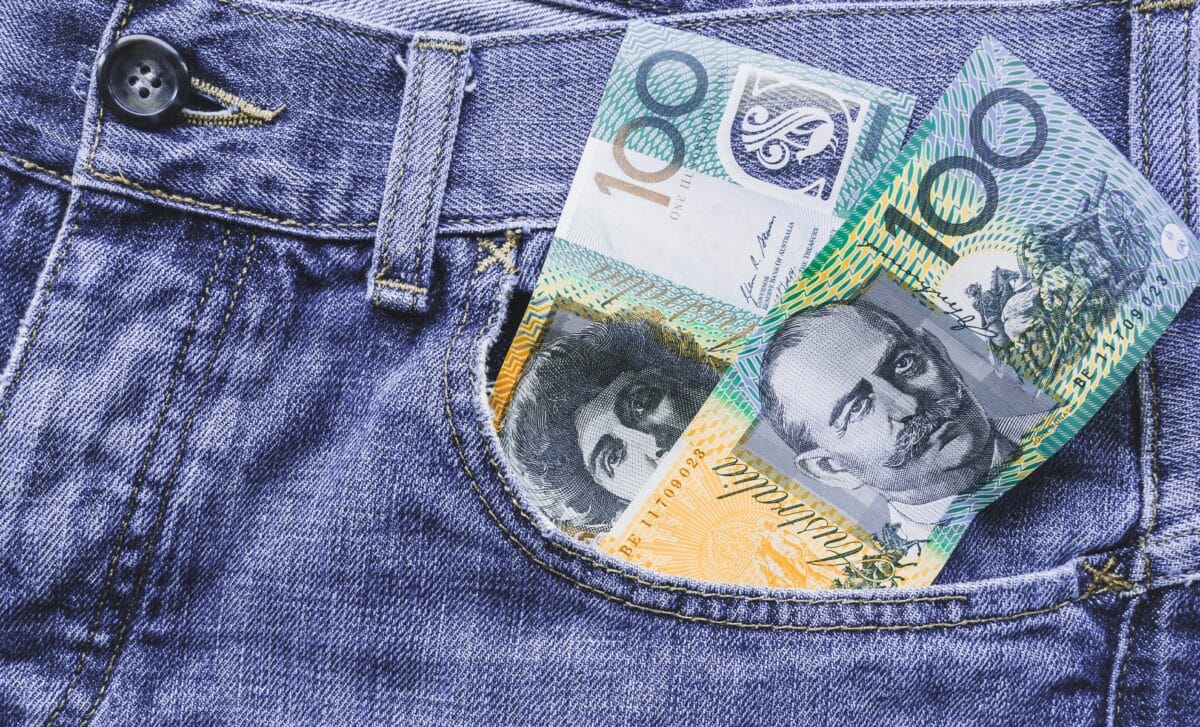
For a while, the Australian dollar seemed to be trapped in a low-value cycle. But suddenly, it’s made a comeback. The Aussie dollar has surged over 70 US cents, marking a moment not seen for years. But the reality isn’t as simple as it sounds. As the value of the Australian dollar rises, it’s creating some unexpected and unsettling consequences for personal finances, including superannuation funds.
The Rising Aussie Dollar: Good or Bad?
On the surface, a stronger dollar might seem like a win. After all, it means Australians can buy more US assets, like tech stocks or even crypto, for less money. But the downside is that a stronger Aussie dollar actually puts pressure on the value of Australian superannuation investments, which are increasingly invested overseas. In fact, some of these foreign assets could lose significant value when converted back to AUD.
The recent jump in the Aussie dollar is largely the result of global market shifts, with Donald Trump’s policy of deliberately devaluing the US dollar playing a major role, explains Yahoo Finance. As the greenback weakens, other currencies, like the Aussie dollar, begin to gain strength. However, this isn’t always a good thing for Australians who have large sums invested in foreign assets, as these gains don’t translate well back into Australian dollars.
How the Stronger Dollar Affects Superannuation
The Australian superannuation system is one of the largest pools of retirement assets globally, and it is becoming more exposed to foreign investments every year. According to the latest NAB report, international investments now make up more than 50% of Australians’ superannuation funds. These foreign investments include shares in companies like Apple, Bitcoin, and other assets denominated in USD.
For example, let’s say you bought Apple shares last year when the exchange rate was less favourable. Even if the stock price went up in USD terms, you might not see the same returns in Australian dollars due to the stronger currency. A year ago, you would have spent A$378 to buy one Apple share priced at US$237. Now, if you sold that share and converted the proceeds back into AUD, you’d get only A$366, resulting in a loss.
The same goes for investments in cryptocurrencies like Bitcoin. While Bitcoin has lost 13% in USD terms over the past year, Australians holding Bitcoin have seen a 23% drop in their holdings when converting back into AUD.
What Does This Mean for Everyday Australians?
As the Aussie dollar strengthens, Australians may feel the sting of this unseen risk. Those who rely on superannuation for their future security could see the value of their savings erode as their funds are tied up in overseas investments. For many, this shift might feel like an inevitable consequence of the global economy, but it doesn’t make the situation any less frustrating.
Looking Ahead: How Should We Adapt?
As the Aussie dollar continues to hover above 70 US cents, the question remains: how should Australians respond? Should they consider more hedged super funds or shift their focus to local investments? The truth is, no one knows for sure. But one thing’s clear: as the global economy continues to change, Australians will need to pay closer attention to how currency fluctuations impact their wealth.
For now, the key takeaway is simple—global shifts can have a surprising effect on your financial future. The rise in the Australian dollar may not just make things cheaper overseas; it could also be silently eating into your investments, especially in retirement funds.