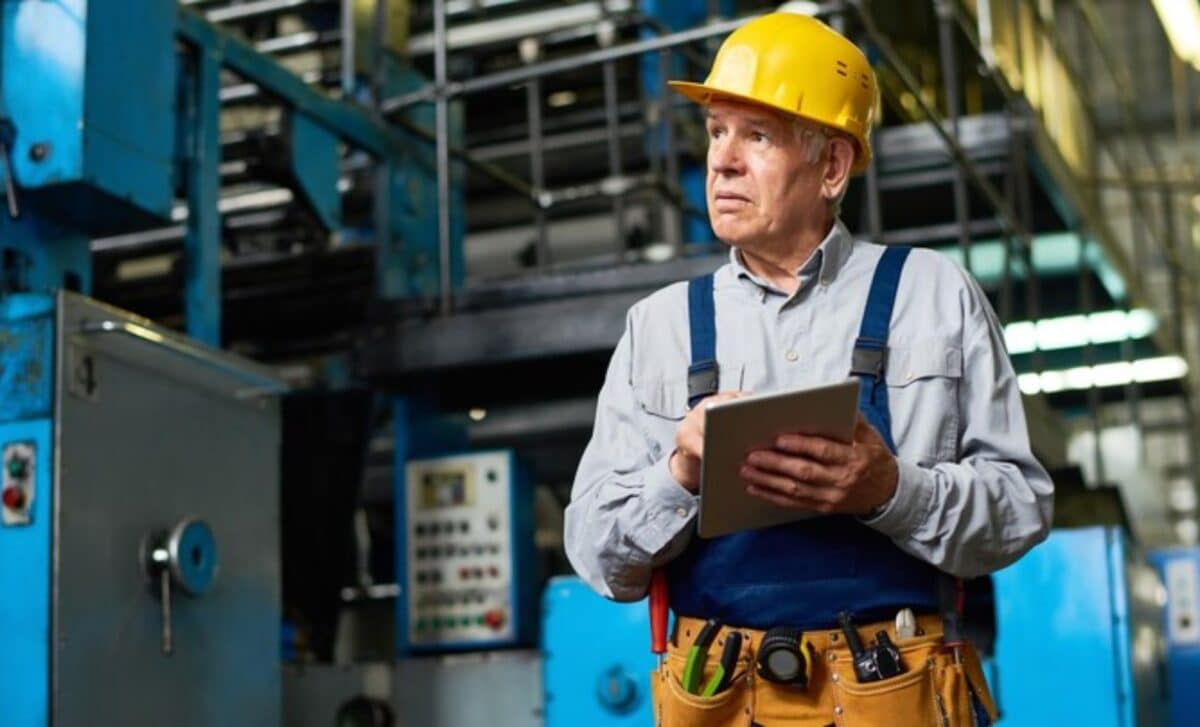
If you thought that by the time you hit 65, you’d be waving goodbye to work and spending your golden years relaxing, think again. Across Australia, a growing number of older Australians are staying in the workforce well beyond traditional retirement age. In fact, the percentage of over-65s working is higher than ever, and it’s only expected to keep rising. So why are so many older Aussies still clocking in?
The Financial Squeeze on Retirement
Let’s start with the obvious factor: money. With the cost of living continuing to climb, many older Australians simply can’t afford to retire comfortably. Rising housing costs, inflation, and increasing interest rates have put a serious strain on household budgets. For some, it’s become almost impossible to live solely off their superannuation or pension. As a result, they find themselves juggling work and retirement—sometimes out of necessity, sometimes by choice.
Take the example of Victoria and New South Wales, where the number of over-65s in the workforce has increased by 27% and 22%, respectively, since the Albanese government took office, reports The Australian. This isn’t just about a handful of individuals—it’s part of a much larger trend that’s beginning to reshape Australia’s workforce. For some, delaying retirement isn’t a choice; it’s a financial reality.
Beyond Finances: The Desire to Stay Engaged
But it’s not all about the wallet. For many older Australians, work offers a sense of purpose and engagement. Retirement can feel isolating, especially for people who have spent decades building careers and contributing to society. Work provides not just an income, but a routine, social interaction, and a sense of identity. For those in less physically demanding jobs, staying in the workforce may seem less daunting than it once did.
And while the physical strain of jobs in industries like construction or mining may have caused past generations to retire early, many older workers today are in office-based or service-related roles where the mental and physical demands are lighter. The prospect of working into your 70s is less terrifying than it used to be.
The Downside: Challenges of Forced Retirement and Ageism
However, not everything is rosy. While some older Australians choose to stay in work for fulfillment, others are doing so out of necessity. A third of older Australians have retired earlier than planned—often due to poor health or redundancy. Worse still, ageism continues to be a real barrier. Even when older Aussies want to re-enter the workforce, many face discrimination, making it harder for them to find or stay in work.
It’s also worth noting that not everyone wants to keep working. Many who are still in employment wish they could retire but simply can’t afford it, creating a paradox where financial instability keeps people working far longer than they would like.
What This Means for the Future
As life expectancy increases, this trend is unlikely to change anytime soon. The reality is that many Australians will have to work longer, and the traditional idea of retirement may need to be reconsidered. For those still hoping to retire in their 60s, it’s a wake-up call to save more and plan better.
In the meantime, the rise of older workers has become a crucial part of the national conversation about retirement and economic security. There’s no one-size-fits-all solution, but one thing is clear: Australia’s approach to retirement needs to evolve with the changing landscape of work and life.