
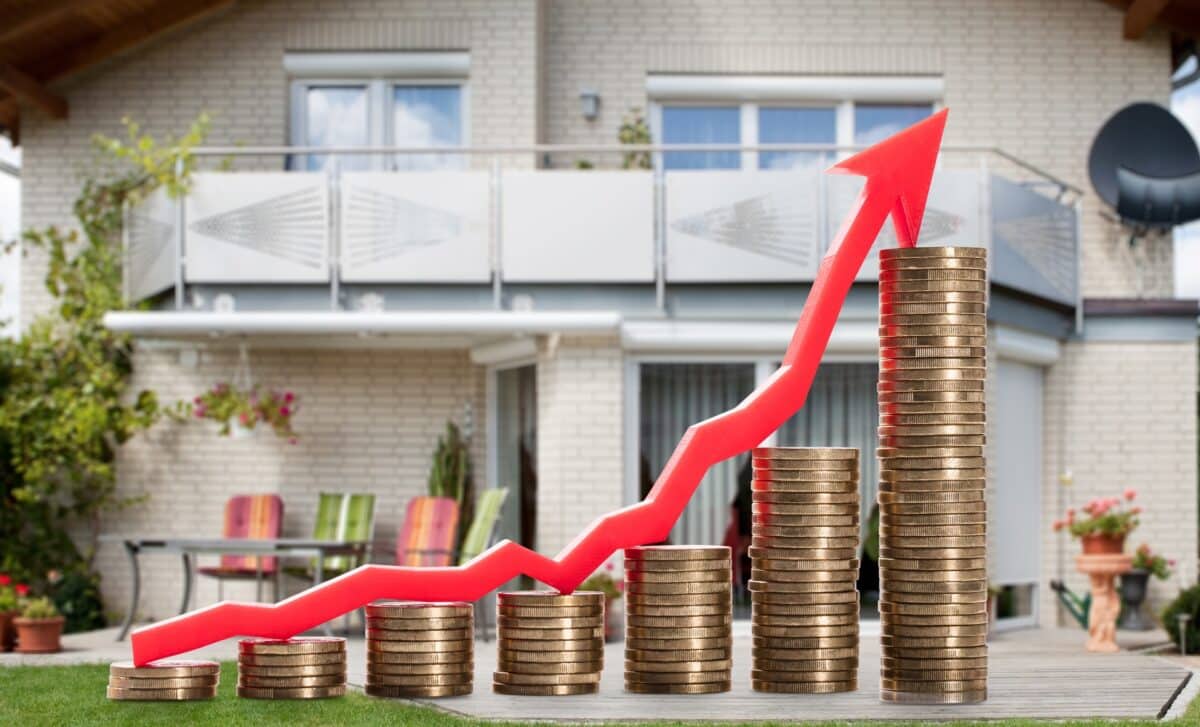
The Reserve Bank of Australia (RBA) has always denied it, but many are starting to wonder: could its manipulation of interest rates actually be contributing to Australia’s housing affordability crisis?
The Growing Problem of Homeownership
Homeownership has become an increasingly distant dream for many Australians, particularly younger generations. The soaring prices of houses are leaving them feeling alienated, and for many, this crisis is the biggest issue facing the country. Despite this, the RBA, under Governor Michele Bullock, continues to claim that its interest rate adjustments don’t affect housing prices, reports The Age. But this viewpoint seems too simplistic — and potentially dangerous.
The Role of the RBA in Housing Affordability
The problem isn’t just negative gearing or zoning regulations that limit housing supply. It’s a mix of many factors, with the RBA’s interest rate policy being a key player in the game. The central bank’s approach is based on the idea that any rise or fall in rates will balance out in the long term. But this assumes that markets react in predictable, linear ways — that if rates rise, demand falls, and vice versa. However, this misses the bigger picture: people are influenced by expectations of future trends, not just what’s happening right now.
FOMO and the Feedback Loop
Take the current situation: Since the RBA started its most recent rate-cut cycle in February, average house prices have jumped by 5%. Why? It’s simple: Fear of Missing Out (FOMO). Australians have learned that when interest rates drop, borrowing becomes cheaper, and the market becomes flooded with buyers looking to get in before prices rise even further. This creates a feedback loop, where demand increases and prices follow suit. And when people see prices going up, they get more desperate to secure a home, which only drives prices higher.
The “Sticky Downwards” Effect
Now, if the RBA raised rates and people expected that demand would fall accordingly, house prices would likely go down. But, as we’ve seen, housing prices tend to be “sticky downwards.” They don’t drop as quickly as they rise, making the effects of rate cuts more pronounced. So, despite the RBA’s claims, interest rate policies are likely contributing to the rise in property prices, even if it’s not immediately obvious.
A Call for Rethinking Monetary Policy
What can we do about it? One possible solution could be to rethink how we use monetary policy. The current approach is too narrow, leaving too many people struggling to buy homes while others, mostly those who already own property, benefit. It might be time to consider broader tools like fiscal policy to address this imbalance and help curb the runaway housing market.