

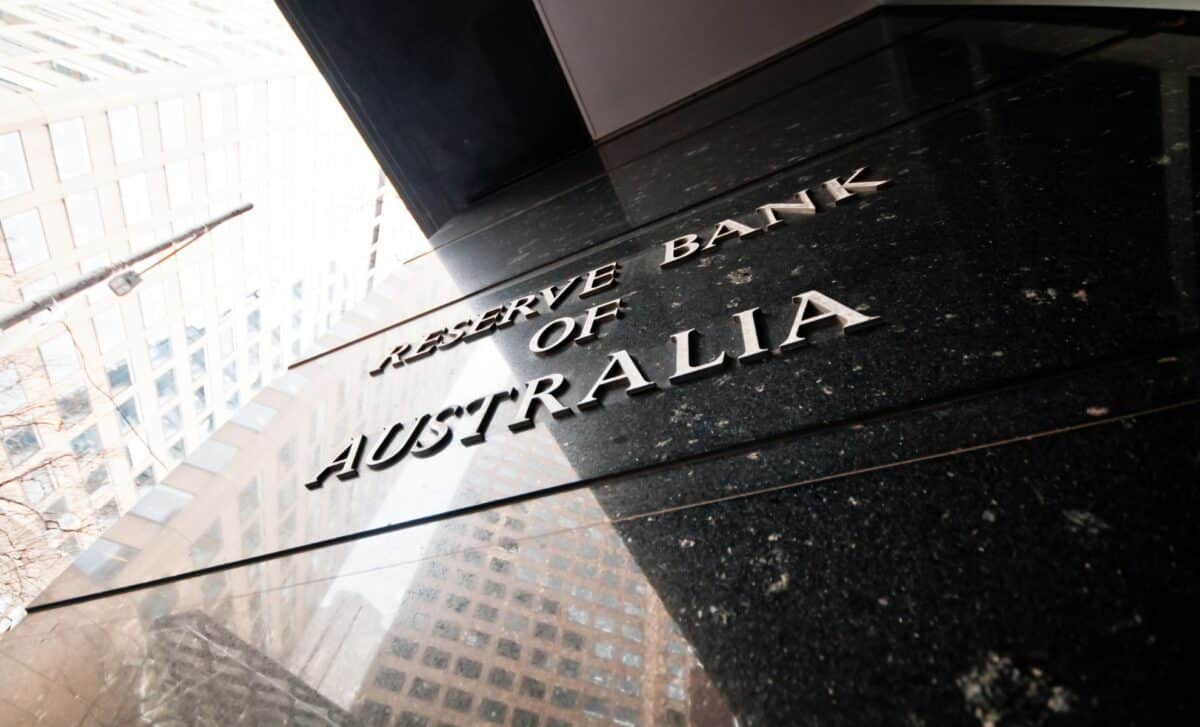
The Reserve Bank of Australia (RBA) has raised concerns about the government’s First Home Guarantee scheme, which allows first-time buyers to enter the market with just a 5 per cent deposit. RBA Governor Michele Bullock has cautioned that the scheme, aimed at easing housing affordability, may inadvertently push property prices even higher, exacerbating the country’s housing crisis.
While the policy is designed to help more Australians step onto the property ladder, its implications for the broader market remain uncertain. In a recent appearance before the Senate Economics Committee, Bullock discussed how the scheme could impact housing prices and the risks it presents to borrowers. Her comments come as the government expands the initiative and modifies its eligibility criteria.
Higher Demand, Higher Prices?
According to Bullock, while the scheme’s intention is to ease the path to homeownership, it could lead to a temporary rise in property prices. The policy allows first-time buyers to secure homes with only a 5 per cent deposit, thus bypassing expensive lenders’ mortgage insurance. However, this added demand could drive up property prices, particularly in areas where supply is already limited. Bullock noted that, although the RBA had not conducted its own analysis of the policy, it was “possible” that housing prices might rise slightly as a result.
In August, the Albanese government expanded the scheme, removing caps on the number of applicants and income limits. The maximum price of properties eligible for the scheme also varies, with limits set at $1.5 million in Sydney and $950,000 in Melbourne. This broader reach, according to Treasury modelling, could result in a modest increase in housing prices over the next six years.
Riskier Loans: A Growing Concern
Bullock also highlighted the potential risks to both borrowers and banks, with an increasing number of individuals taking on higher loan-to-value ratios (LVRs) under the First Home Guarantee. These loans, with a higher proportion of debt compared to the property value, may leave buyers vulnerable if property prices fall. In such cases, homeowners could face negative equity, where the amount owed exceeds the value of the property.
While the scheme is backed by the government rather than private lenders’ mortgage insurance, Bullock pointed out that the risks remain, particularly for borrowers struggling with higher debt-to-income ratios. This could strain individuals’ finances and, by extension, the banking sector if defaults rise.
Despite these concerns, Bullock stressed that the Reserve Bank’s role was not to oversee housing prices. The fundamental issue, she argued, was a lack of supply relative to demand, which no monetary policy can fix. She noted that the government’s failure to address housing shortages over the years contributed significantly to the current situation.