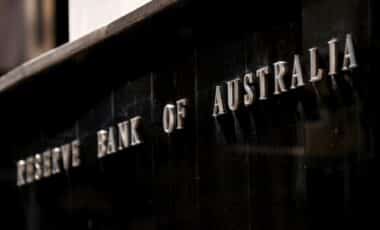

In a world increasingly driven by digital payments, the Reserve Bank of Australia (RBA) has made an important commitment: cash will remain a viable payment method for as long as Australians need it. However, the road ahead for cash might not be as simple as it seems.
The Decline of Cash Usage
Over recent years, the way Australians pay for goods and services has shifted dramatically. While cash transactions were once the norm, they have steadily declined in favor of credit cards, mobile payments, and other digital solutions. A recent report from the Australian Banking Association (ABA) revealed that ATM withdrawals have dropped from over 50 million annually in 2012 to roughly 15 million in 2024.
Despite this, approximately 1.5 million Australians still rely on cash. And it’s not just small change—the total amount of cash circulating in the economy has hit an all-time high of $105 billion.
The Strain on Cash Infrastructure
Yet, despite this persistent reliance on cash, the infrastructure supporting it has started to fray. Bank branches are closing at an alarming rate, especially in rural and remote areas, leaving those who prefer or need cash with fewer places to access it. From 2017 to 2022, over 1,600 bank branches across Australia shut their doors. Most of these closures were attributed to the “big four” banks—Commonwealth Bank, NAB, ANZ, and Westpac—which have been moving away from face-to-face banking services. For Australians who don’t have easy access to digital payment methods, this is a serious problem.
The Reserve Bank’s Commitment
Reserve Bank Governor Michele Bullock, speaking before a parliamentary committee, acknowledged these challenges. She emphasized that while the logistical costs of distributing and storing cash are rising, particularly in remote areas, the RBA is committed to ensuring cash remains available. She noted that cash might be “more costly to store, process, and distribute” but it will not disappear unless Australians no longer need it, reports 9News.
The issue isn’t just about convenience; it’s also about equity and access. Critics, like Jason Bryce of the Cash Welcome campaign, argue that the banks are deliberately squeezing access to cash, making it harder for people to withdraw money, and then claiming that fewer people want it.
According to Bryce, the number of over-the-counter cash withdrawals at bank branches has remained stable for the past three years, even as the number of physical branches continues to fall. This creates a situation where people must travel further, often at greater cost, to access cash.
The Future of Cash in Australia
The debate is complicated by the broader issue of privacy and control. For many, cash is more than just a payment method—it represents autonomy. Cash transactions are private; no one can track how much you spend or what you’re buying. In contrast, digital payments, while convenient, are often tied to banks and companies that have access to your spending habits.
While digital payments continue to dominate, it’s clear that cash is still an important part of life for many Australians. Whether it’s for privacy, budgeting, or simply because they don’t have access to digital banking, cash still has a place in the economy.
The question remains: will the RBA’s commitment be enough to prevent further erosion of cash access, or will the shift to digital payments eventually leave cash users behind? One thing is certain: this conversation is far from over.