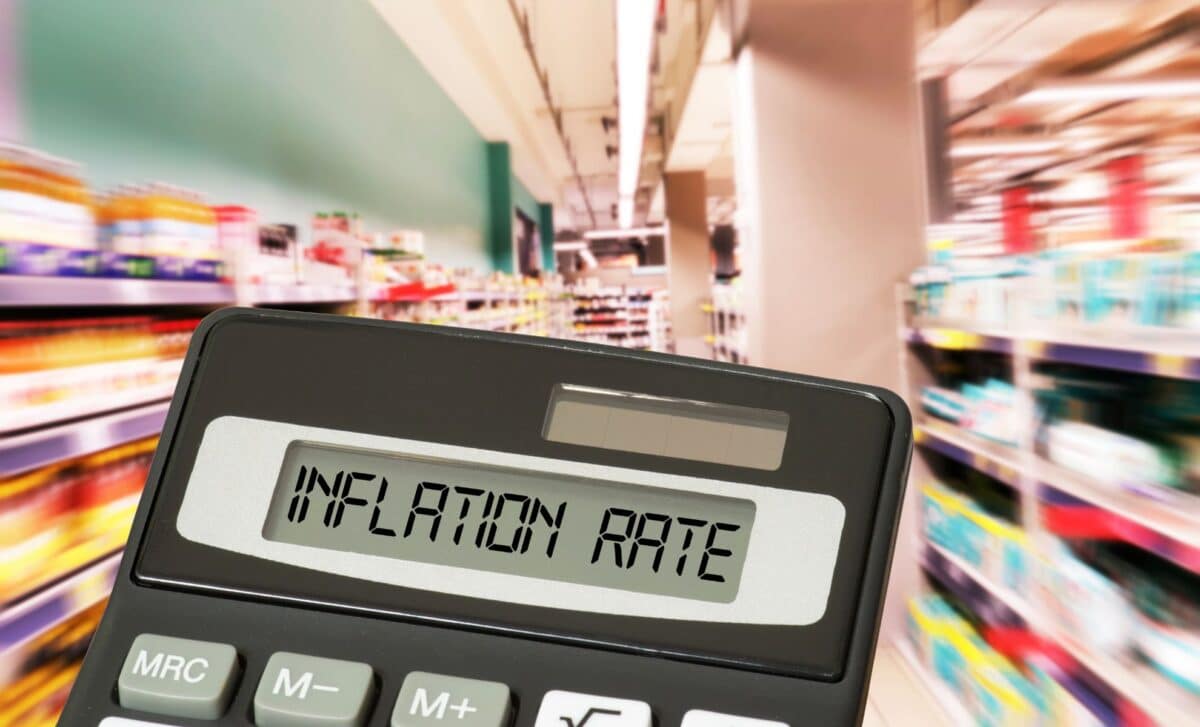
Inflation in Australia is on the rise again, and it might be worse than initially thought. The Reserve Bank of Australia (RBA) has raised alarms about potential inflation increases for the September quarter, which could catch many by surprise. With government subsidies disappearing, things are looking tighter for consumers.
The Unexpected Surge in Inflation
In an unexpected twist, the RBA admitted it may have misjudged how inflation would unfold this year. In a recent Senate Estimates hearing, RBA Governor Michele Bullock revealed that inflation had surged more than anticipated in the past few months. After jumping 0.9% to 2.8% in July, inflation climbed again in August to 3%, leaving experts scrambling to update their forecasts, explains Sky News.
Why Are Prices Going Up?
The spike comes as a result of key factors, including the end of significant government subsidies, particularly state energy rebates, which had been cushioning household budgets for much of the year. Bullock’s warning was clear: the RBA hadn’t fully grasped just how much prices would climb as these subsidies phased out, and now it looks like inflation for the September quarter could exceed the RBA’s previous expectations.
What Does This Mean for Aussies?
So what does this mean for the average Australian? Well, for one, prices are creeping higher, which puts extra strain on already tight budgets. This inflation uptick isn’t just a blip; it’s something the RBA now sees as a potential trend, with further risks for the months ahead. The official inflation data for the September quarter will be released on October 29, and many are watching closely to see if it confirms the RBA’s concerns.
Revised Forecasts and Rising Costs
Looking back, the RBA had expected the trimmed mean inflation (which excludes the most volatile price changes) to hover around 2.5% for the September quarter, down from 2.7% in June. However, Bullock acknowledged that these forecasts might be too optimistic given recent developments. Inflation is expected to stay elevated, perhaps above 3%, until 2025, with hopes of a return to the target range of 2-3% in the near future.
Interest Rates and the Road Ahead
As if this weren’t enough, the RBA has already made three interest rate cuts this year, and Bullock pointed out that the full impact of these rate reductions is still unfolding. While the RBA is focused on bringing inflation back to its target range, there’s no clear answer yet on whether more rate cuts are on the horizon.
All this uncertainty leads to one thing: higher costs for many Australians in the coming months. So, while we might all be hoping for some relief, it’s safe to say that things could get more expensive before they get better. Whether it’s through higher inflation or the indirect effects of rate changes, the road ahead isn’t looking all that smooth.