
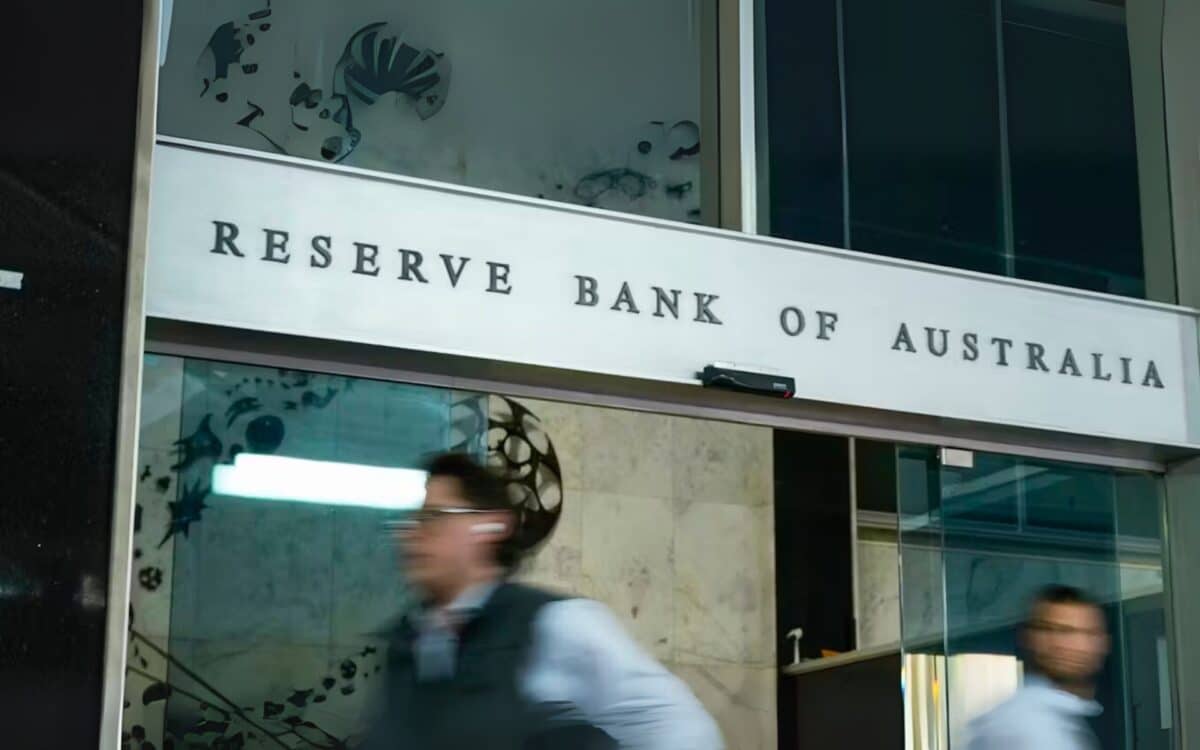
Michele Bullock, the Governor of the Reserve Bank of Australia (RBA), recently addressed concerns raised by banks and credit card companies regarding potential cuts to fraud prevention measures. In a statement reported by news.com.au, Bullock dismissed claims that the financial institutions would reduce investment in security if forced to lower credit card surcharges.
Her remarks came in response to threats from the banking sector, which has expressed concerns about the impact of regulatory changes on their operations. Bullock emphasized that such measures would not be in the banks’ best interest and reassured that the RBA’s priorities remain focused on a secure and efficient payment system.
Banks’ Threats to Cut Fraud Prevention: A Hollow Warning?
The clash between the RBA and financial institutions has escalated recently. At the heart of the debate is a proposed policy that could ban surcharges on credit cards and reduce merchant fees, a move that has sparked backlash from the banking sector. Banks argue that reducing these fees will result in higher annual fees for customers, a reduction in reward programs, and shorter interest-free periods.
They claim these cuts would force them to slash spending on fraud prevention measures as a way to offset the costs.
However, Bullock expressed surprise at these threats, labeling them
Unrealistic.
I think it’s extremely unlikely that they’re going to shoot themselves in the foot by removing fraud protections or anything else like that – she told Labor MP Jerome Laxale.
I can’t understand why they would even suggest they would do that.
She emphasized that the RBA’s role is to ensure the stability and safety of Australia’s payment system, which includes maintaining robust fraud protections. In her view, banks cutting such protections would be a detrimental move that could drive customers away, ultimately harming their business.
The RBA Governor also stressed the importance of a safe and secure payment system, warning,
You need a safe and secure payment system to encourage people to use it. If you end up with a payment system where people aren’t investing in these sorts of things, they’ll stop using it, and there’s other alternatives.
Credit Card Fees: A Burden on Low-Income Australians
One of the more contentious issues in this debate is the effect of credit card surcharges on younger and lower-income Australians. Bullock pointed out that while credit card users may benefit from reward programs, these programs are subsidized by debit card users, many of whom are younger individuals with lower incomes. Credit card transactions often come with higher merchant fees, which are then passed on to consumers, including those who don’t use credit cards.
This, according to Bullock, is not just a matter of fairness but also one of efficiency. Credit cards are a significant driver of surcharge fees, which are ultimately reflected in higher prices for all consumers, including those who prefer to use debit cards. The RBA’s proposed changes aim to make the payment system more equitable, particularly for those who are disadvantaged by the current system.
The merchants pay more for those credit card transactions, so that’s baked into their prices, and who is paying those higher prices? It’s the consumers that don’t use the credit cards (who are) younger people with debit cards … lower incomes – Bullock explained.
The RBA is expected to publish the regulatory steps and timeline to remove consumer surcharges on debit, MasterCard, and Visa cards by the end of the year. This would include lowering the cap on merchant fees paid by businesses and requiring card providers to improve transparency around costs.
Future of Cash: A Viable Payment Option for All Australians?
In addition to the issue of credit card surcharges, Bullock also addressed the future of cash in Australia, particularly as digital payments become more prevalent. Despite a dramatic decrease in cash usage, Bullock remains committed to ensuring that cash remains a viable payment option for Australians who rely on it, especially in rural and regional areas.
The viability of cash as a payment method has come into question with the struggles of Australia’s primary cash-in-transit company, Armaguard, which has been facing significant financial difficulties. The company has already received two rounds of emergency funding, totaling 75.5 million dollars, from retail giants and the four major banks. These financial injections highlight the importance of a robust cash distribution system.
Bullock reassured lawmakers that the RBA is working to establish a framework for cash distribution that would ensure continued access to physical money for all Australians, particularly those in vulnerable communities.
Cash remains a critical part of a resilient and inclusive payments system for all Australians – she told the committee.
She also mentioned the increasing cost of storing, processing, and distributing cash. These issues are most pressing in rural and regional areas, where the services are particularly expensive. Bullock emphasized that the logistics of moving cash to bank branches, ATMs, and retailers needs to be more sustainable, with the industry collaborating on solutions.
We continue to work with industry participants to develop solutions that will best meet the needs of the community – Bullock stated.
The RBA is also reviewing incentives to ensure that banks hold cash in a way that remains “fit for purpose” and aligns with the evolving needs of the industry.