The Australian economy is no stranger to change, and right now, it’s facing some big decisions. The International Monetary Fund (IMF) has recently thrown its hat into the ring, proposing that the Australian government raise the Goods and Services Tax (GST) to help bail out some states drowning in debt. But what does this mean for us regular folks—especially when it comes to our wallets? Let’s break it down.
The Tax Debate: IMF Suggests Raising GST to Manage State Debts
Australia’s state and territory governments have racked up some pretty hefty debts in recent years, largely thanks to massive infrastructure projects. Take Victoria, for example. The state’s debt is forecast to hit a staggering $240 billion within the next three years—about $3,000 per person, reports 9News. It’s not just Victoria either. Other states, like the Northern Territory, are also facing significant debt burdens, mostly from overspending on projects.
The issue? This high debt puts pressure on the federal government, as they’re seen as the “de facto guarantor” of state debt by credit rating agencies. If those states default on their debt, the federal government could be left holding the bag.
Raising GST: The IMF’s Solution
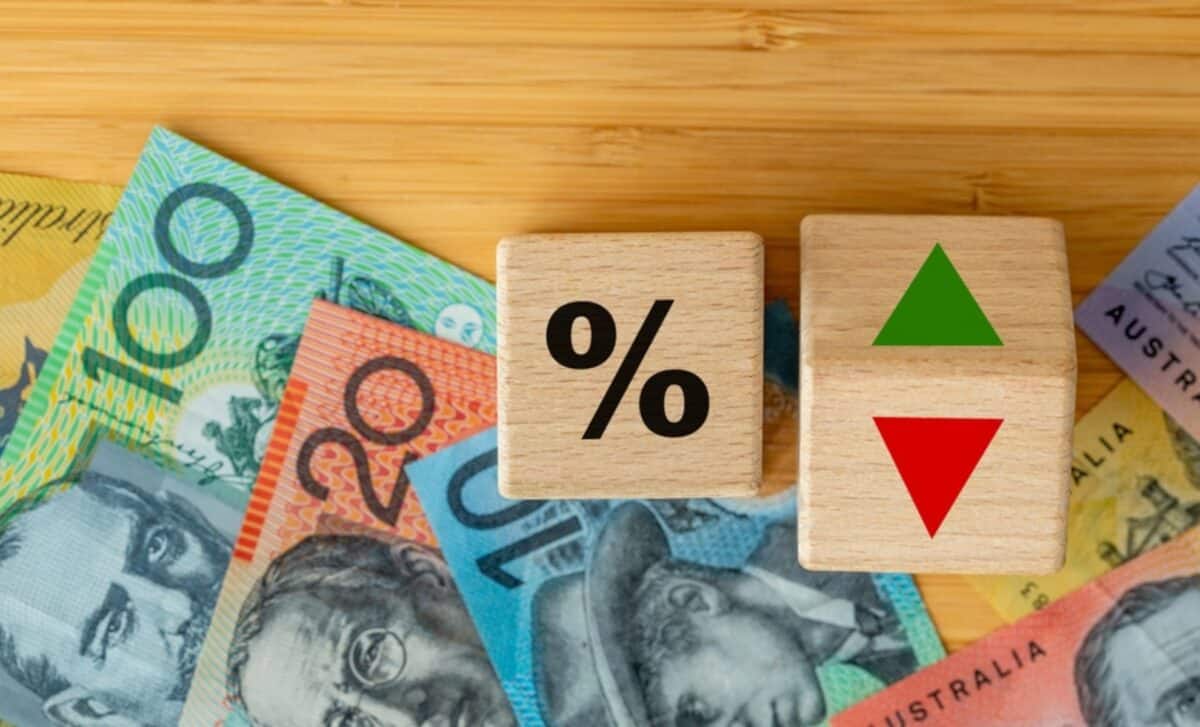
Enter the IMF. In their latest report on Australia’s economy, they suggested raising the GST as a way to help the government manage these debts. The idea is simple: raising the GST would provide a more stable revenue source for the government, helping to balance the books. They also suggested scrapping some tax breaks, like the capital gains tax discount and superannuation concessions, to make the tax system more efficient.
Now, here’s the kicker: while the IMF’s suggestion to increase GST could generate more revenue, it comes with a potential downside. Many economists and critics warn that raising the GST could hit lower-income Australians the hardest. Higher GST means paying more for everything from groceries to healthcare. So, while the government might get a fatter revenue stream, everyday Australians might end up footing the bill.
The Political Debate
The debate over raising GST is not new, and politicians are already divided on the issue. While some, like Treasury Secretary Jim Chalmers, have pointed to the IMF’s recommendations as a “powerful endorsement” of the government’s economic policies, others are hesitant to risk alienating voters with a tax increase. For many, the idea of higher taxes—especially in a time of rising living costs—just doesn’t sit well.
What’s Next for Australia?
Raising the GST could be a way to keep Australia’s economy on track, but it’s far from a simple solution. It might solve some of the immediate fiscal challenges posed by state debts, but it could also spark frustration among Australians already feeling the pinch. Whether or not this proposal gets off the ground depends on how politicians balance the need for fiscal responsibility with the political fallout of raising taxes. One thing’s for sure—it’s a conversation that’s likely to heat up as the federal budget approaches.