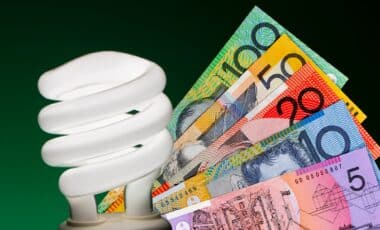
Power bills in New South Wales, Queensland, and South Australia are set to drop by as much as 10% starting in July 2026. This news comes as a relief to many, especially after several years of rising energy costs. Thanks to a boost in renewable energy production, including wind and solar, along with falling electricity contract prices, consumers can expect some welcome savings.
Power Prices Dropping Due to Renewable Energy Growth
So, why are power prices dropping now? The main reason behind the price cuts is the increased supply of renewable energy, particularly from wind and solar sources. The Australian Energy Regulator (AER) has pointed to reduced wholesale energy prices as the biggest driver for these savings. As renewable energy production continues to grow, there’s less reliance on expensive fossil fuels, which in turn, lowers the overall cost of electricity.
The AER also credits improved battery storage, which helps manage intermittent energy production from renewables, as another factor contributing to the price drop.
How Much Can You Save?
If the proposed changes go ahead, households in New South Wales and Queensland could save over $200 annually on their power bills. Small businesses in New South Wales stand to save even more—up to $1,300. This could be a game-changer, especially for small businesses that have been grappling with higher operational costs. With more than 4 million Australian households already using solar power, these savings could be even higher for those able to shift their energy consumption to daytime hours.
The Solar Sharer Plan
In Victoria, the price cuts are paired with a new initiative called the “solar sharer” offer. This plan allows customers to access three hours of free power during the middle of the day, when solar generation is at its peak. It’s designed to help households take advantage of abundant solar energy, reducing electricity costs further. For those who can adjust their usage—whether it’s running appliances like dishwashers or doing laundry during the free power period—there’s an opportunity to save even more.
The introduction of such a plan is another step toward integrating renewable energy into daily life, making it more accessible and practical for ordinary Australians. However, it’s important to note that not everyone has access to solar panels, so the benefits of the solar sharer offer may not apply to everyone.
What’s Next for Energy Prices?
While these price cuts are a welcome relief, the global energy market is still volatile. The AER remains cautious, particularly about potential future disruptions, like the ongoing geopolitical tensions in the Middle East. Australia’s continued dependence on fossil fuels for some of its energy needs means that while renewables are increasing, the country’s energy system is still vulnerable to international price fluctuations.