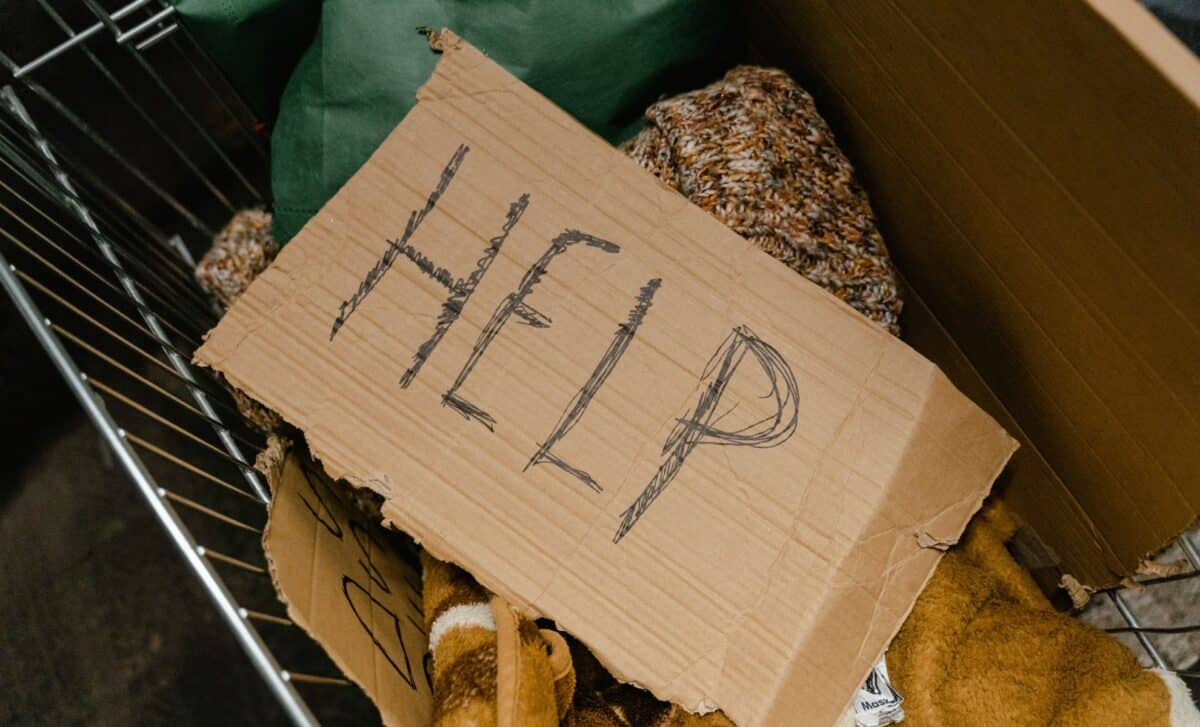
A new study has painted a pretty grim picture of life in Australia right now. It shows that around 3.7 million people, or one in seven Australians, are living below the poverty line. That’s a sharp increase in just a year, highlighting some serious issues that have been building up, particularly around housing and social support systems.
Housing: The Big Barrier to Stability
The driving force behind this surge in poverty is no surprise—it’s the high cost of housing. Whether it’s rent or trying to get a foot on the property ladder, housing prices have left many people stuck. For those already struggling, it’s nearly impossible to keep up. Rent keeps rising, and buying a home is nothing but a dream for a lot of families. It’s not just an inconvenience—it’s a constant source of stress.
Everyday Struggles, Real Lives
Take Angela Finch, for example. She’s a mother of three, and for her, every day is about survival—not spending or saving, but just trying to make it through. “It’s in every living and breathing moment of my life and my children’s life,” she says to 9News. Angela’s had to move into a shelter for safety, which has made it even harder to keep up with her casual work. Her story isn’t unique. For many Australians, it’s a daily grind just to keep things together.
The thing that really hits home is the emotional cost. Angela talks about “mum guilt,” that feeling you get when you can’t afford things for your kids, even though you know they deserve it. The mental toll of not being able to give your children the things they need or want is real. It’s heartbreaking, but it’s a reality for so many.
Child Poverty: A Legacy That Won’t Go Away
What’s even more troubling is the impact this has on kids. According to the report, one in six Australian children are now living in poverty. This is a stark contrast to the promise made by former Prime Minister Bob Hawke back in the 1980s, where he pledged that by 1990, no Australian child would be living in poverty. Fast forward two generations, and we’re still dealing with it. The harsh truth is that childhood poverty hasn’t just persisted—it’s grown.
It’s tough to imagine how many kids are affected by this every day. These children are in every neighborhood, every school. They’re often hidden in plain sight, as families try to make it look like everything is fine. But behind the scenes, the struggle is real.
Is Social Security Enough?
Welfare groups are now calling for stronger support. While there have been some improvements—like increases in JobSeeker and Rent Assistance rates—many believe it’s just not enough. Cassandra Goldie, the CEO of the Australian Council of Social Services (ACOSS), points out that these payments still don’t cover the basics. “We must fix the adequacy of social security,” she says. In other words, it’s time to rethink how much people get to help them stay afloat.
In fairness, the government has made some moves to ease the pressure. Social Services Minister Tanya Plibersek highlighted that the JobSeeker payment has increased by around $4000 a year since the Labor government took over. Plus, there are efforts like cheaper medicines, bulk billing, and fee-free TAFE, all aimed at reducing costs for struggling families. But many say these steps don’t go far enough, especially when housing costs continue to skyrocket and many people still can’t find stable work.
What Needs to Change?
At the heart of it, this report is a call for urgent action. Housing affordability remains the number one challenge, but it’s not just about making homes cheaper—it’s about providing the kind of social support that actually helps people rise above the poverty line. For families like Angela’s, and the millions in similar situations, it’s going to take a lot more than what’s currently on the table. If Australia wants to create a fairer society, we need to do more than just put bandaids on the issue. Stronger safety nets and real, lasting solutions are the way forward.