
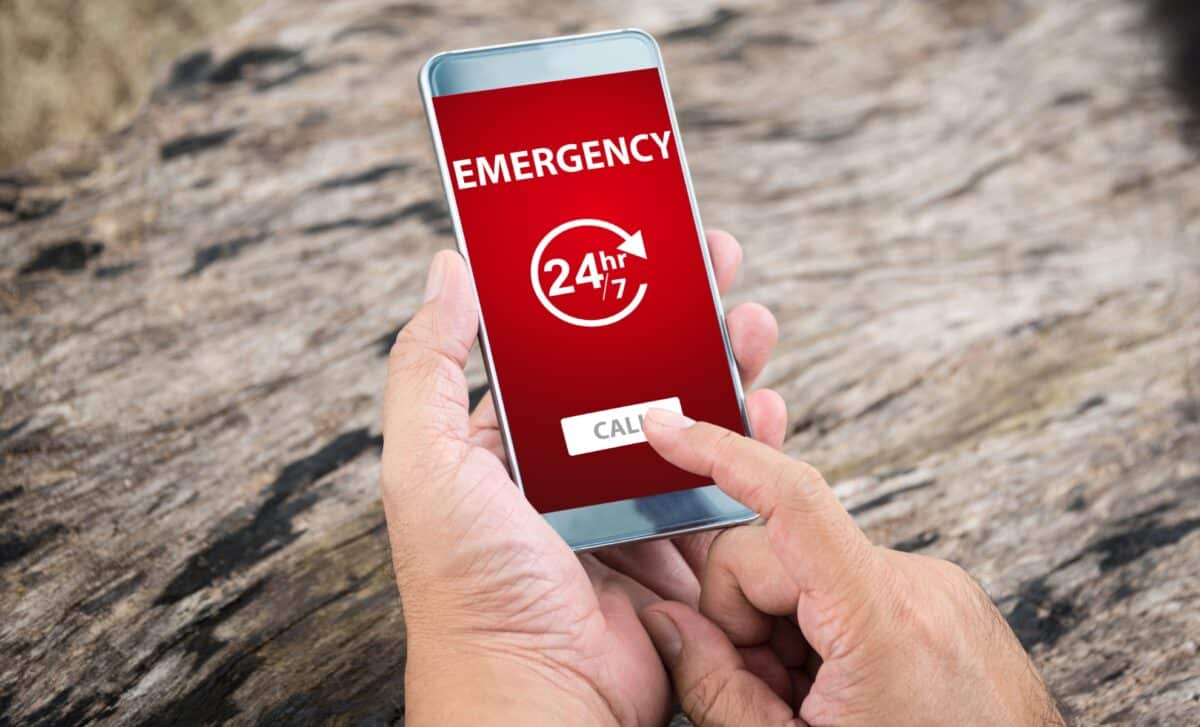
In today’s digital age, we rely on our phones for everything – from keeping in touch with friends and family to navigating our way around town. But what happens when the device we trust to be our lifeline in emergencies fails? That’s exactly what is happening for some Optus customers. Nearly half a million phones on its network might soon be unable to dial Triple Zero, the number Australians use for emergency services. And the worst part? Many users may not even know it’s coming.
The Optus Dilemma: 470,000 Phones at Risk
This issue revolves around older Samsung phones, many of which can no longer connect to emergency services following the country’s transition away from 3G networks. The Australian Communications and Media Authority (ACMA) recently revealed that, in the worst-case scenario, up to 470,000 devices on Optus’ network could be affected. And the problem isn’t isolated—other telcos like Telstra and Vodafone are dealing with similar issues. The 3G network shutdown was meant to free up bandwidth for faster 4G and 5G services, but it’s causing some unintended consequences for users with outdated technology.
What’s particularly concerning is that this issue wasn’t flagged earlier. Telcos initially focused on customers who were using 3G-only devices, but it turns out the problem with older Samsung models wasn’t fully understood until late October. The fact that some phones can no longer dial Triple Zero, even if the network is working fine, is alarming. And, as one customer tragically found out last month, this glitch can have deadly consequences.
What’s Being Done?
So, what can customers do to protect themselves? The good news is that most of these affected phones can be updated with new software. Optus, for example, has been manually testing these devices and expects most will be fixed with an update. However, Samsung has made it clear that phones more than seven years old will likely need to be replaced entirely. The clock is ticking for these affected customers, as they must update or replace their devices within 28 days of being notified by their carrier.
After that, these phones will be blocked from accessing Australian mobile networks. But the question remains: why wasn’t there more public awareness of this issue earlier? The Australian government and telcos have come under scrutiny for not doing more to warn people. Some argue that, given the potential risks to public safety, a broader campaign to inform the public should have been launched long ago.
The Bigger Picture
This issue raises more significant questions about how prepared we are for the technological changes taking place. As we phase out older technologies, it’s easy to forget that not everyone has access to the latest devices or understands the implications of these transitions. In the case of Optus and other telcos, it’s not just about a few missed calls; it’s about people’s lives being put at risk in an emergency.
This situation serves as a wake-up call. As Australia moves further into the 5G era, we need to ensure that the shift doesn’t leave vulnerable users behind. Whether it’s the elderly or those who can’t afford the newest phone, these technological transitions need to be handled with more care. After all, no one should ever have to wonder if they can get help when they need it most.