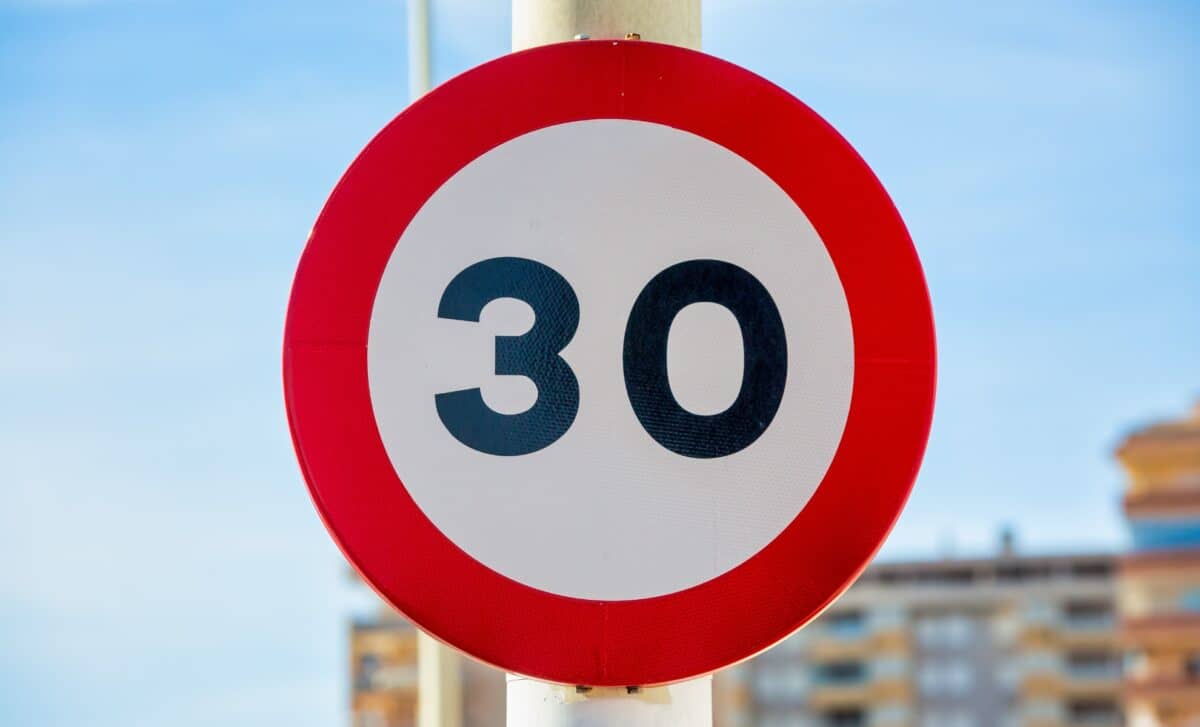
There’s growing support for a change in the way New South Wales handles speed limits. Doctors and road safety experts are pushing for a significant reduction in residential speed limits, urging the NSW government to lower the default speed from 50 km/h to 30 km/h. This call has sparked a wider conversation about road safety and the real impact speed limits can have on lives.
The Case for Lower Speed Limits
The proposal is not just about making streets slower; it’s about making them safer. The argument for 30 km/h zones comes from solid evidence. Experts from the Royal Australian College of Surgeons, including Dr. John Crozier, have pointed out that the chance of survival for pedestrians hit by cars at 30 km/h is much higher—90%—compared to just 10% at 50 km/h. These statistics aren’t just numbers; they represent lives, and for many, the difference between life and death.
Kobi Shetty, a Greens MP behind the bill, emphasized that lower speed limits have already been proven to reduce road deaths and injuries in cities across the world. He argues that the evidence is clear—slower speeds save lives, and it’s time NSW catches up. The bill aims to make residential streets safer, with minimal impact on journey times. Shetty’s point is simple: reducing speed from 50 to 30 doesn’t add much to your trip but could make a world of difference for a pedestrian.
Public Support and Growing Momentum
This call for safer streets is resonating with the public. Bicycle NSW, which represents cyclists, has also thrown its support behind the bill. Their CEO, Paul McLean, pointed to a groundswell of community support for these kinds of initiatives, saying that safer roads are better for everyone. The tragic number of pedestrian and cyclist deaths each year only highlights the need for urgent action.
Despite some pushback from local communities—like in Liverpool, where a temporary 30 km/h zone was removed after residents voiced opposition—the overall momentum is clearly in favor of change. In Sydney, 30 km/h zones are already in place in areas like the Domain and Manly, but the rest of the state is lagging behind.
Looking Ahead: A Step Toward Zero Road Deaths
The road safety community is united in one goal: zero road deaths. Lowering speed limits in residential areas is one important step toward achieving this ambitious target. As the bill heads to parliament, experts and the public alike hope that the government will heed the call and make 30 km/h the new norm for residential streets across New South Wales.
In the end, it’s a matter of balancing the need for speed with the need for safety. With so many lives at stake, the question is: can we afford not to make our streets safer?