
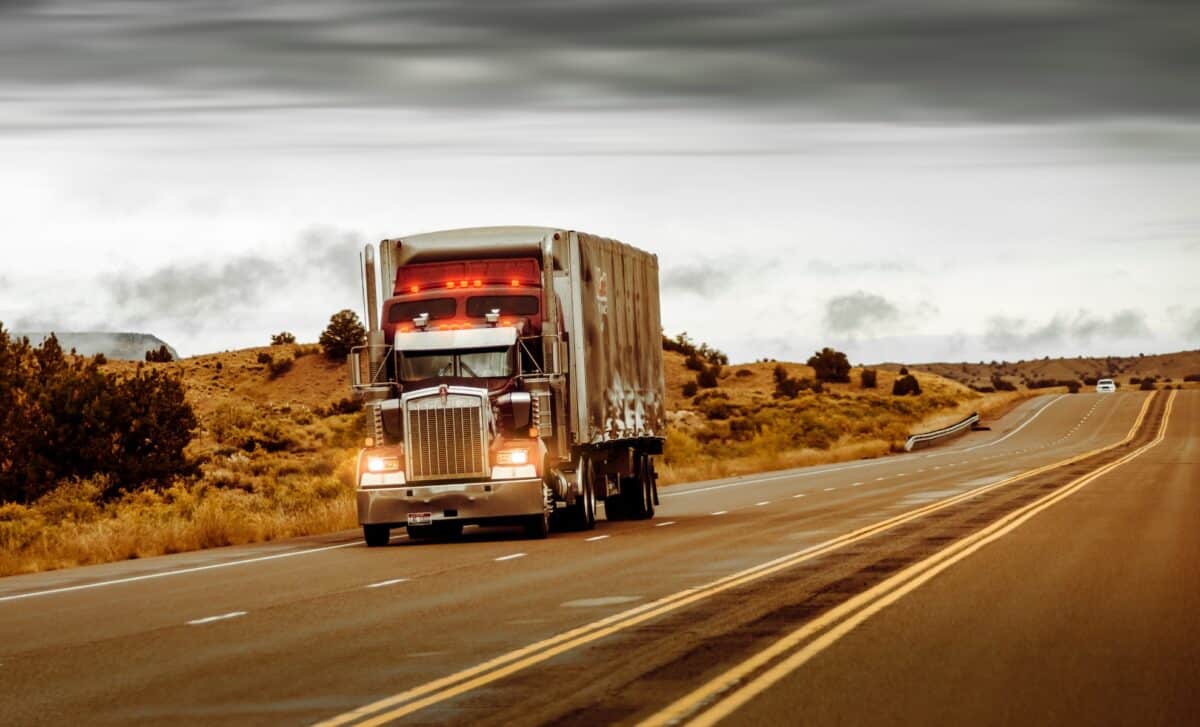
Australia’s supply chain is under growing pressure as the country faces an alarming shortage of truck drivers. Fewer people are choosing to get behind the wheel, leaving freight companies short-staffed and forcing deliveries to slow down. It’s a problem that’s been brewing for years — and it’s finally catching up.
Truck Drivers in Short Supply
According to industry reports, the driver shortfall is reaching critical levels. Thousands of positions across Australia remain unfilled, particularly in regional and long-haul operations. Many trucking companies say they’ve never seen it this bad, with some deliveries delayed by days and costs rising fast.
The Australian Trucking Association (ATA) estimates that the average truck driver is now over 50 years old, and more are retiring than entering the industry. Younger Australians are showing little interest in the profession, turned off by the long hours, time away from home, and the physical demands of the job.
Training costs are also a major barrier. Obtaining a heavy vehicle licence can cost thousands of dollars, making it difficult for newcomers to even get started. The result is a shrinking workforce in an industry that quite literally keeps the country moving.
A Supply Chain Under Strain
The impact of the shortage is being felt well beyond the transport sector. Supermarkets, manufacturers, and farmers are all facing disruptions as freight capacity tightens, reports ABC News. Groceries are taking longer to reach shelves, construction materials are arriving late, and export schedules are becoming harder to maintain.
With fewer drivers, freight companies are forced to raise wages and increase rates, pushing up costs for retailers and, eventually, consumers. It’s another piece in the puzzle of rising prices that Australians are feeling at the checkout.
Why It’s So Hard to Fix
Industry groups have been sounding the alarm for years, calling for changes to licensing, training, and working conditions. But progress has been slow. The job remains demanding and, for many, unattractive compared to other trades.
The Transport Workers Union (TWU) says part of the solution lies in making truck driving a more stable, respected profession. That means addressing insecure contracts, improving rest facilities, and ensuring drivers are paid fairly for the long hours they spend on the road.
Technology Isn’t the Quick Fix
Automation and driver-assist technologies are often mentioned as long-term solutions, but experts agree that driverless trucks won’t solve the problem any time soon. Australia’s geography — vast, remote, and rugged — still demands human oversight, especially in regional areas where technology alone can’t fill the gap.
A Critical Juncture
Trucking carries roughly three-quarters of Australia’s domestic freight, making drivers indispensable to the national economy. Without a new generation of workers, the country risks facing long-term disruptions that could affect everything from food supply to exports.
For now, the people who keep Australia’s goods on the move are stretched thin, doing more with less. And unless something changes soon, the nation’s supply chain — already under strain — could find itself running on empty.