Drivers could soon be paying more for their favourite new utes and SUVs, as a sweeping tax overhaul targets high-emission vehicles and encourages Australians to make the switch to electric or hybrid cars.
Billions in New Car Tax Penalties
Under the federal government’s proposed vehicle efficiency standard, car manufacturers who fail to meet emissions targets will face steep financial penalties — a change that could flow straight to buyers through higher prices.
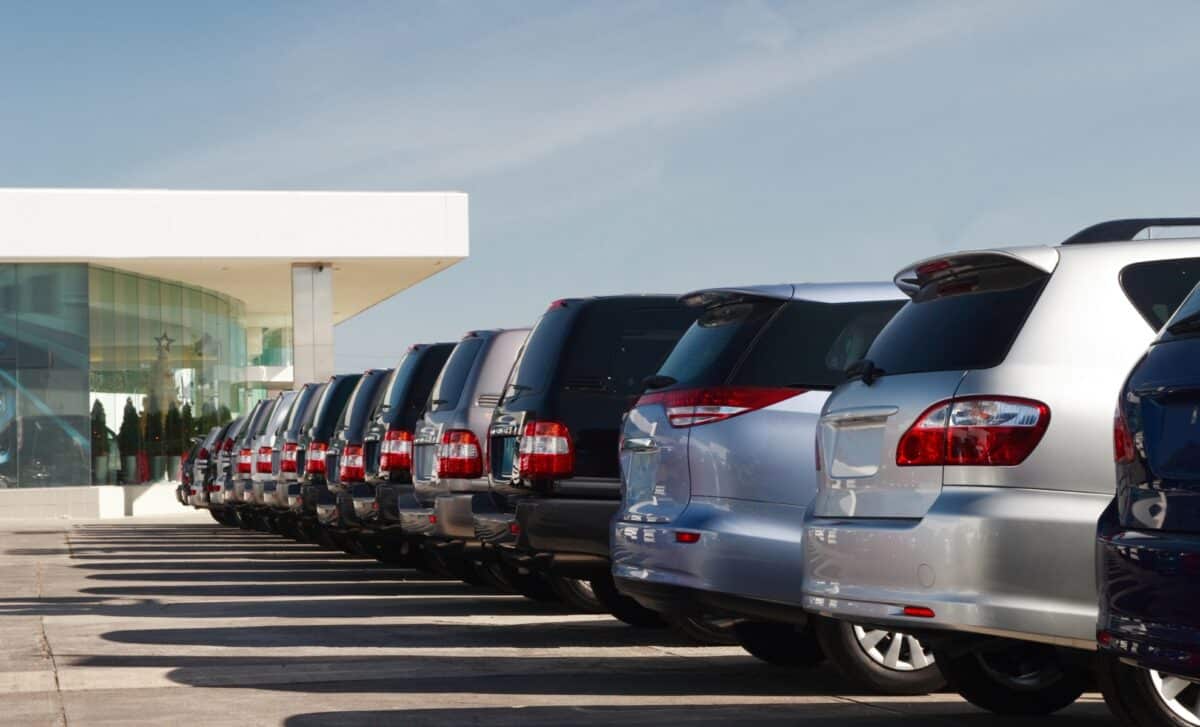
The Department of Infrastructure estimates the penalties could cost the industry billions of dollars over the coming decade, particularly for brands that rely heavily on larger petrol or diesel models. Utes, SUVs, and high-performance vehicles are expected to be hit hardest under the new system, which sets strict limits on average emissions per vehicle sold.
The new tax-style penalties are designed to push manufacturers to bring more electric vehicles (EVs) and hybrids to the Australian market, aligning the country with global emissions standards already in place across Europe and the United States, explains Yahoo News.
Winners and Losers in the New Tax Era
The reform has been described as one of the most significant shifts in Australia’s automotive history. While environmental advocates have praised the move as overdue, critics warn it could make some of the country’s most popular models unaffordable.
Industry groups argue the tax penalties could add thousands to the cost of new vehicles, hitting tradespeople and regional drivers hardest. Manufacturers with strong EV lineups — such as Tesla, BYD, and Hyundai — are expected to benefit, while brands like Toyota and Ford could face major adjustments to their production strategies.
The Federal Chamber of Automotive Industries (FCAI) has called for a more gradual rollout, warning that the current timeline may be too aggressive for both carmakers and consumers.
A Push Toward EVs and Hybrids
The government insists the policy isn’t a tax on drivers but a mechanism to clean up Australia’s vehicle fleet and reduce national emissions. By encouraging manufacturers to import cleaner models, the plan aims to lower household fuel bills and help Australia catch up to international climate commitments.
Still, analysts say price increases are inevitable in the short term. New utes and SUVs could see price rises of several thousand dollars as manufacturers offset penalties and adapt to the new system.
Australia’s Road to Cleaner Transport
Currently, Australia remains one of the few developed nations without strict fuel efficiency standards, making it a dumping ground for older, less efficient models. The new policy aims to reverse that trend — but it comes with a price tag.
The debate now centres on how fast the country can transition without squeezing everyday Australians who rely on affordable vehicles for work and family life.
For now, one thing seems certain: as the new tax rules take effect, the road to cleaner cars may prove costlier than expected.