
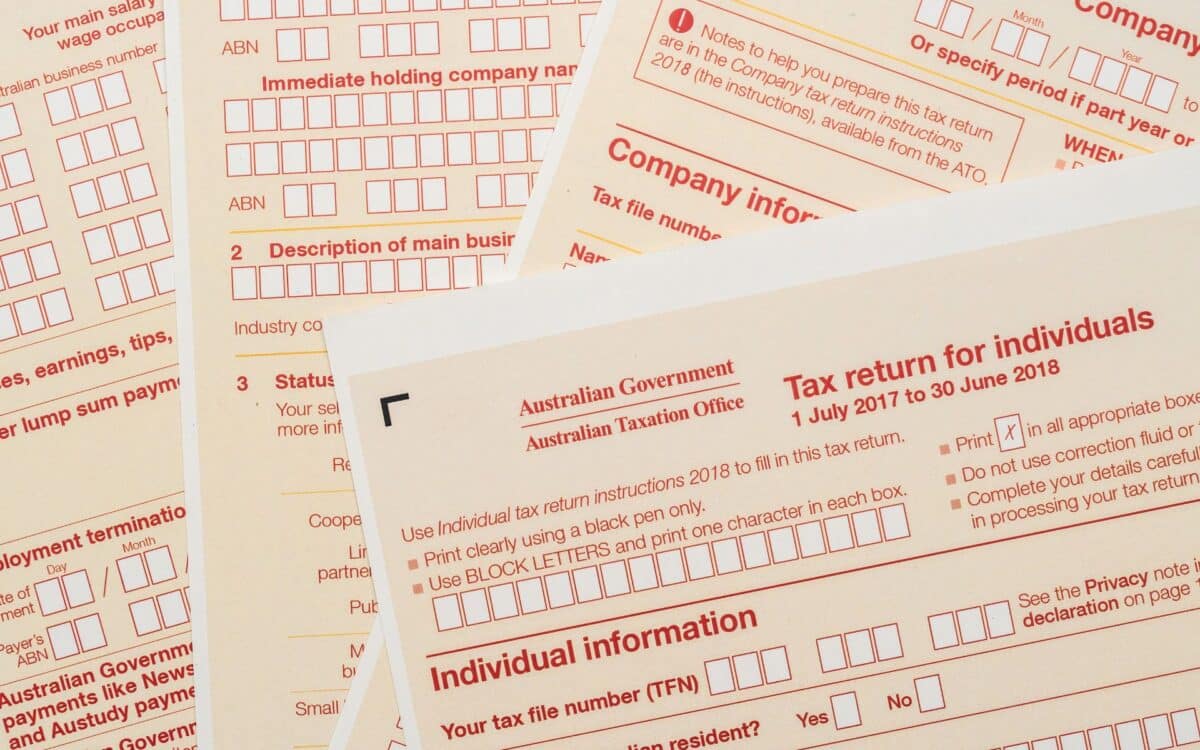
Tax returns are a necessary part of financial management, but they can often feel overwhelming. Many individuals find the process confusing, especially when it comes to gathering the required documents and understanding the various forms. The Australian Taxation Office (ATO) sets specific deadlines for filing, and failing to meet them can lead to penalties.
According to ABC News, the ATO offers guidance and flexibility, especially for those who may be struggling with the task. Understanding the deadlines and knowing when to seek professional assistance can make the process more manageable, reducing stress during what can be a challenging time.
Managing the Stress of Filing Tax Returns Amid Financial Pressure
Tax returns can be an overwhelming task for many, especially when coupled with the pressures of daily life. While filing taxes is an annual responsibility, the process often feels complex and stressful, leading many to put it off. During periods of financial strain, such as the ongoing cost-of-living crisis, the task of lodging a tax return can become even more daunting.
Many families are experiencing financial stress, and for some people, lodging their tax return may feel overwhelming – Explains Zena Burgess, CEO of the Australian Psychological Society.
This stress is compounded by concerns about receiving a tax bill, making errors while filling out details, or simply pushing the task further down an already long to-do list.
Despite the stress, understanding the process and breaking it into manageable steps can significantly reduce feelings of overwhelm. Here’s how to make tax season easier and avoid unnecessary stress.
Deadlines and Penalties: Don’t Wait Until the Last Minute
For individuals in Australia, tax returns for the 2024/2025 financial year are due by October 31. This provides some breathing room, but procrastination can lead to increased pressure as the deadline approaches. If you miss the deadline or are late in filing previous years’ returns, the Australian Taxation Office (ATO) will begin applying interest and penalties.
Dr. Natalie Peng, a lecturer in accounting at the University of Queensland, stresses that the ATO is more understanding than many realize.
The ATO would rather work with you than against you, even if you are late in filing – she explains. She further reassures,
The ATO cares more about you coming forward than being perfect.
While the fear of penalties can create anxiety, Dr. Peng suggests not panicking and instead taking action early.
Act now before interest and penalties start piling up – she advises.
By contacting the ATO and informing them about your situation, you can potentially negotiate for extra time or assistance, avoiding further stress.
The Complexity of Tax Forms and MyTax
Filing your tax return involves collecting various forms and documents, and for some, the online system—especially myTax—can be challenging. Angelique McInnes, a lecturer in financial planning at CQ University, points out that the online process can be difficult for individuals not accustomed to digital systems.
Especially if online systems are something they struggle with – she notes.
Furthermore, many people find the tax jargon and the fear of making a mistake intimidating. As Dr. Peng mentions,
It’s the jargon and fear of getting it wrong, and the paperwork piles up—especially if you have let it go for a while.
Breaking down the process into smaller steps can help. Scheduling a dedicated time to focus on the task can also reduce the anxiety of the looming deadline.
It can help to schedule a time, and a follow-up time, to approach the task and put it in your calendar – says Dr. Burgess.
Even if it’s two or three weeks away, knowing that you’ve taken the step to set aside time will help ease the stress that avoidance can generate.
Managing Financial Stress: Its Impact on Your Health
The pressure of tax returns can have a significant impact on mental and physical health. Dr. Zena Burgess explains that financial stress can lead to symptoms like difficulty sleeping, changes in appetite, headaches, fatigue, irritability, difficulty concentrating, and feeling hopeless or helpless. These issues can exacerbate the challenge of managing tax returns, making it important to take care of your mental well-being throughout the process.
For those struggling with the task, it’s important to acknowledge when help is needed. As Dr. Burgess notes, even breaking the task into manageable steps can lift a heavy mental burden:
When you remove the mental burden you have been carrying, you can often regain focus and the ability to move on to the next task with clarity.
Seeking Professional Help: A Worthwhile Investment
If the process feels too daunting, consider seeking professional assistance. While tax preparers charge for their services—typically ranging from $100 to $250 for a simple tax return—this cost is tax-deductible next year.
Consulting with a tax professional can save time, stress, and potentially money by ensuring that you don’t miss out on any deductions or credits. If you’re uncertain about the forms or deductions, a tax professional can guide you and ensure accuracy, preventing costly mistakes.