It’s never been easier to sell an old phone, a sofa, or concert tickets online — but it’s also never been riskier. From fake profiles to disappearing payments, scammers are finding new ways to trick even the most cautious buyers and sellers. As more Australians turn to Facebook Marketplace and Gumtree, the number of victims continues to climb.
The New Face of Online Scams
Online marketplaces have become a modern treasure trove — a place where people can find a bargain, make a bit of cash, or pass on unwanted items. But that convenience has created a perfect hunting ground for scammers. According to data from Scamwatch, over 19,000 shopping scams have been reported this year, with losses exceeding $8.6 million. That’s a 19 per cent rise from the previous year, and experts say the real number is likely much higher.
The problem isn’t limited to buyers. Scammers pose as both sides of the transaction, making it harder to spot them. Some create listings for products that don’t exist, luring buyers with deals that seem too good to pass up. Others act as “buyers,” sending fake payment confirmations before vanishing with the goods. It’s a digital version of pickpocketing — fast, convincing, and hard to trace.
How Scammers Lure Victims
These schemes often rely on psychology. Scammers know that when people feel rushed — excited by a bargain or anxious not to lose out — they’re more likely to make mistakes. That’s why so many fake listings use phrases like “urgent sale” or “lots of interest — act fast!” Many also ask for unusual payment methods such as wire transfers, cryptocurrency, or gift cards.
These are difficult, if not impossible, to recover once the money is sent. Others send phishing links disguised as payment confirmations, tricking users into handing over personal or banking information. It’s a fast-moving, constantly evolving game — and every time a scam is exposed, a new version pops up, ABC News warms.
How to Stay Safe When Buying or Selling
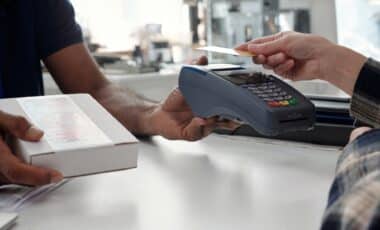
Experts at the National Anti-Scam Centre have one clear message: slow down. Their advice follows a simple formula — stop, check, protect. Before sending money or confirming a sale, take time to verify who you’re dealing with. Buyers should never pay before seeing an item in person, and sellers shouldn’t hand anything over until the payment has cleared in their own account — not just based on screenshots or messages.
For in-person meetups, public places with CCTV coverage are safest, and some states like Victoria now have dedicated “safe exchange zones” at police stations for exactly this reason. When shopping online, use secure payment systems such as PayPal, BPAY, or credit cards, which offer dispute resolution. And if you’re selling, be wary of anyone who insists on unusual payment methods or pushes you to act quickly.
What to Do If You’ve Been Scammed
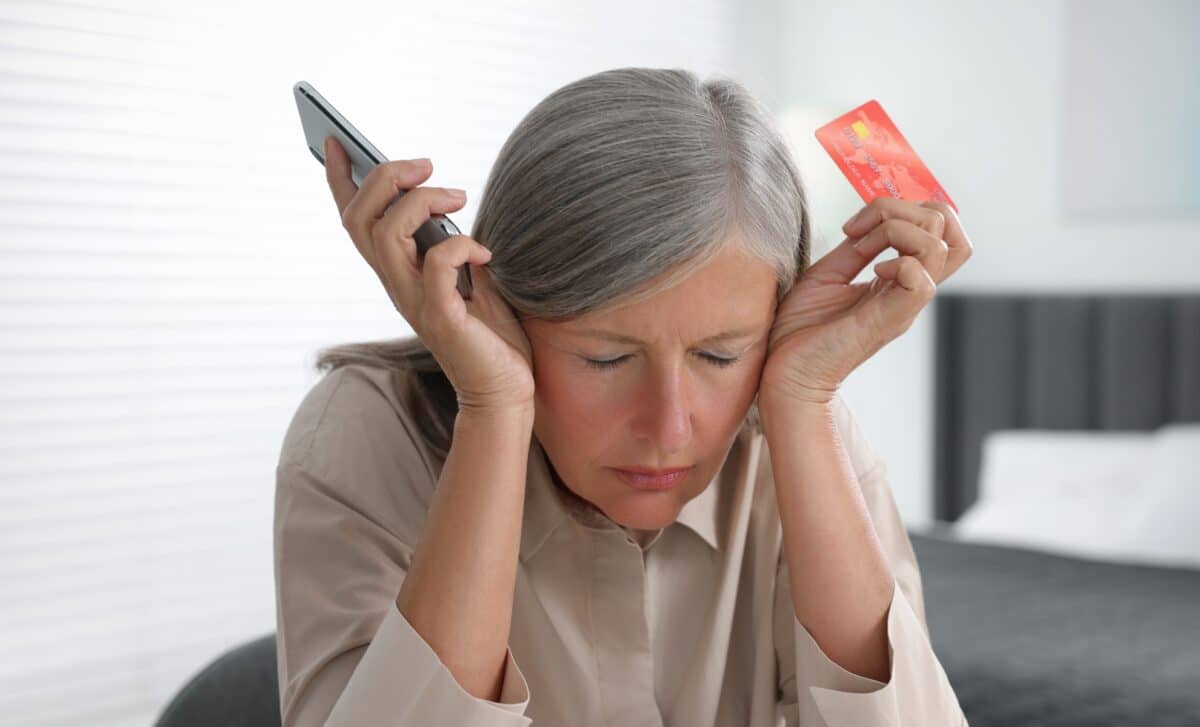
Realising you’ve been tricked can be devastating, but acting fast can help. The first step is to contact your bank and try to block the transaction. If personal details were shared, report it to IDCARE and Scamwatch. It’s also smart to change passwords, enable multi-factor authentication, and monitor your bank statements closely for suspicious activity.
Authorities stress that even if you spot a scam before losing money, reporting it still helps others. Every report adds to a larger picture of how scammers operate, allowing agencies to warn others and shut down fake accounts faster.
The Bottom Line
Selling or buying online will always involve some risk — but awareness is your best defence. These scams thrive on haste and trust, so the slower you go, the safer you are. Whether it’s an old phone, a vintage couch, or concert tickets, take a moment to verify before you tap “send.” In a world full of instant transactions and endless listings, it’s easy to get caught up in the rush.
But as scams continue to rise, one simple truth stands out: a genuine deal will still be there tomorrow — a scam won’t.