
Inflation in Australia is up again, and it’s making some waves. October saw the country’s consumer price index (CPI) rise by 3.8% year-on-year, overshooting predictions and signaling a stubborn inflation problem. But what’s really driving this surge, and what does it mean for Australians?
The Housing Factor
The most significant factor contributing to this increase is housing. The sector saw prices rise by 5.9%, with costs related to electricity, rents, and new dwellings pushing the numbers higher. Electricity prices, in particular, surged a jaw-dropping 37.1% in October. This is partly because households have exhausted government rebates that were designed to help with power bills. When you’re facing rising power bills and record-high home prices, it doesn’t paint a rosy picture for housing affordability.
In fact, experts are calling it a crisis — there just isn’t enough housing to go around. But housing isn’t the only thing driving up prices. Food and non-alcoholic beverages also saw a 3.2% rise, as did recreation and culture. Even the so-called “trimmed mean” inflation — a measure that excludes volatile items like food and energy — edged up to 3.3%, up from 3.2% the month before. It’s clear that inflation isn’t just a temporary blip; it’s proving to be persistent.
The RBA’s Cautious Stance
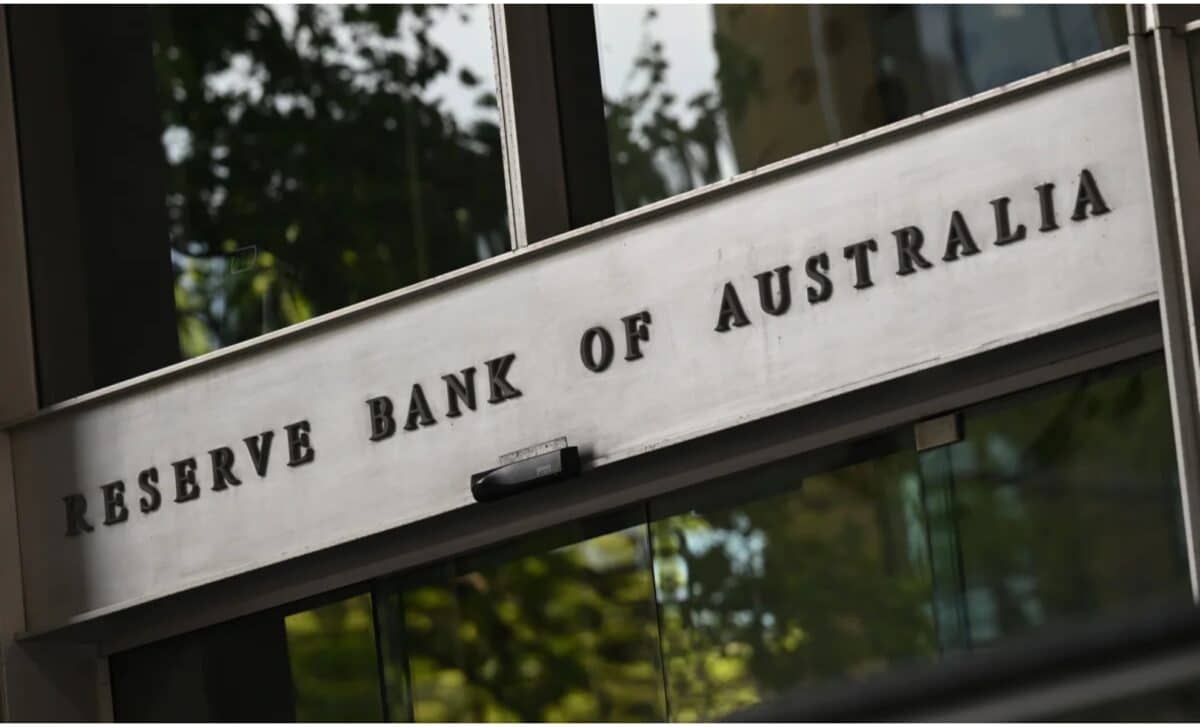
Now, the Reserve Bank of Australia (RBA) has its hands full with this inflationary pressure. Despite holding interest rates steady at 3.6% earlier this month, the central bank remains cautious about cutting rates further. Why? Because while inflation is higher than hoped, the economy is still on solid ground. Consumer demand is stronger than expected, and the housing market is bouncing back.
The RBA is threading the needle here, balancing the need to control inflation with the reality that the economy isn’t tanking.
The Outlook: Inflation Lingers
If you’re wondering what this means for everyday Aussies, it’s about rising living costs. With housing becoming increasingly unaffordable, many people are feeling squeezed. The hope is that the RBA’s strategy will manage to tame inflation without stalling economic growth too much. But experts aren’t holding their breath for a quick fix.
So, what happens next? Well, the inflation rate is expected to stay above the RBA’s target of 2-3% until at least mid-2026. This means that rate cuts are likely to be delayed until then, with inflation expected to peak around 3.7% next June. It’s a long road ahead for Australia, and how the government and central bank handle this period will be critical in shaping the country’s economic future.
It’s a tough situation for many, but it’s clear that the need for action is now — and it’s going to be a balancing act to get inflation under control without stifling recovery. Stay tuned; it’s going to be an interesting couple of years ahead.