The holiday season is just around the corner, and many Australians are already thinking about what’s for Christmas lunch. For those planning to serve lamb, there’s a small but important change to be aware of: it’s going to cost more this year. In fact, lamb prices in Australia are at an all-time high, and if you’re hoping to load up on your favorite cuts, you might want to brace for a bit of sticker shock.
Lamb Prices Soar: A Year of Record Saleyard Sales
So, why is lamb suddenly so expensive? The short answer is simple: saleyard prices have soared, breaking records across the country. It all started earlier this year when high demand collided with a smaller lamb flock, causing prices to skyrocket. Saleyards are the places where livestock are sold, and this year, they’ve seen some truly jaw-dropping results. Some lambs have sold for prices that farmers couldn’t have dreamed of just a few years ago, like the Tasmanian record of $422 per head. For farmers, it’s been a bit of a lifeline after a year marked by tough weather and drought conditions, especially in Southern Australia.
But, of course, all of this good news for producers comes at a price for shoppers. Agricultural market analyst Matt Dalgleish explained that the price surge is largely due to the high demand for lamb, especially when there’s a contraction in the flock. When fewer lambs are available, competition for them increases, pushing prices up. These saleyard prices are now making their way into supermarket shelves, and consumers will feel the pinch by the time Christmas rolls around.
The Ripple Effect: Retail Prices on the Rise
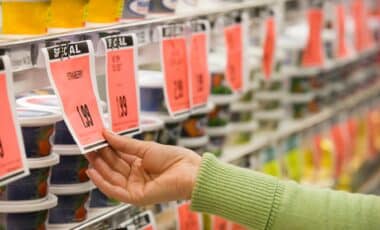
If you’ve already noticed the lamb prices creeping up in your local supermarket, you’re not imagining things. After months of strong sales at the saleyards, those high prices are inevitably making their way into retail pricing. As Dalgleish pointed out, it usually takes three to six months for these saleyard records to filter down to the shelves. So, by the time the holidays hit, shoppers can expect to pay more for a leg of lamb or a few chops for the family BBQ.
But here’s the kicker: even if saleyard prices cool off, retail prices likely won’t follow suit. “At the retail level, you tend to see prices just sit and go sideways,” Dalgleish explained to ABC News. This means that, even as the saleyard frenzy calms, consumers are likely to continue paying high prices well into 2026. While lamb is still a top choice for many Australians around Christmas, the rising cost may force some families to rethink their plans, possibly opting for other proteins or sticking to smaller cuts.
Farmers’ Reward and the Year of Struggles
It’s not all bad news, though. For farmers like the Eckert family in South Australia, these high saleyard prices have been a much-needed financial boost after a particularly difficult year. The family, who faced severe feed shortages and had to resort to hand-feeding livestock, saw their first-cross ewes break a national record by selling for $540 per head. While they were surprised by the high prices, it was a bright spot in an otherwise tough year. David Eckert, who runs the farm, admitted that he never thought he’d see such prices after what had been a dry season, but it’s exactly the kind of reward farmers need to keep going through challenging times.