Something is shifting again, and Australians can feel it. The conversation around interest rates has turned darker, heavier. For millions of households, the next move could sting more than expected.
A Rate Decision That Could Hit Millions
Fresh warnings from economists and major banks suggest that interest rates in Australia may stay higher for longer, despite earlier hopes of relief in 2026, reports Yahoo Finance. New inflation data has forced analysts to reassess their outlook, and the result is unsettling. Instead of cuts, some are now openly discussing the possibility of another rate hike if price pressures refuse to cool.
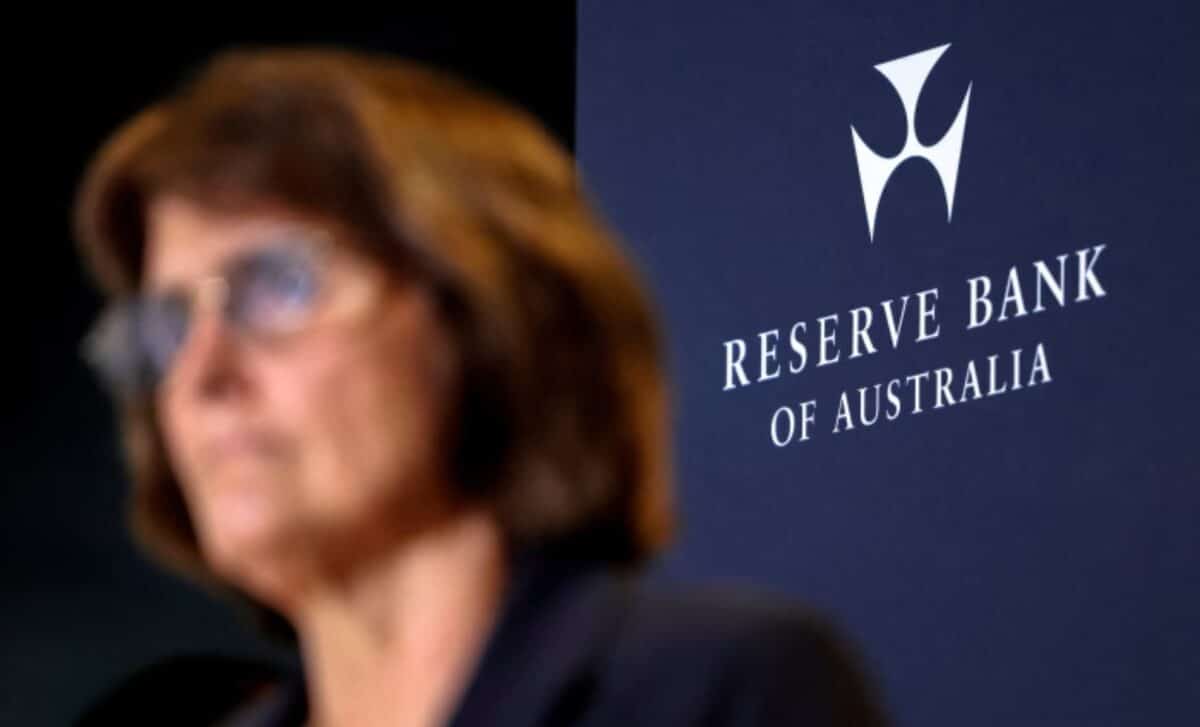
At the centre of the concern is the Reserve Bank of Australia, which remains focused on keeping inflation under control. Recent figures show underlying inflation proving stubborn, especially in housing, insurance, and essential services. For the RBA, that leaves little room to relax. For households, it means uncertainty lingers.
Mortgage Holders in the Firing Line
The biggest risk sits with mortgage holders, particularly those on variable rates. More than three million Australians are currently exposed to rate movements, and many are already stretched thin. Another increase, even a small one, could add hundreds of dollars a month to repayments. For families juggling groceries, power bills, school costs, and fuel, that extra pressure matters.
Some borrowers fixed their loans during the ultra-low rate era and have since rolled onto much higher repayments. Others never fixed at all and have absorbed every increase along the way. The idea that rates might not come down anytime soon is confronting, especially for younger households who entered the market near peak prices.
Why Inflation Refuses to Behave
Part of the problem is that inflation is no longer being driven by one-off shocks. Instead, it’s embedded in everyday costs. Rent remains high due to tight supply. Insurance premiums have climbed sharply. Services inflation, linked to wages and labour shortages, is proving difficult to unwind.
Economists note that while consumer spending has slowed, it hasn’t fallen enough to give the RBA confidence. People are spending less on discretionary items, but essentials leave little room to cut back. That imbalance complicates policy decisions and keeps rate settings on edge.
What This Means for the Broader Economy
Higher-for-longer rates don’t just affect homeowners. They ripple through the entire economy. Business investment slows. Hiring plans get trimmed. Consumer confidence weakens. Over time, that can dampen growth, even as inflation gradually eases.
There’s also a psychological effect at play. When households believe relief is always “six months away” and never arrives, spending habits change. People delay purchases, cancel plans, and become more cautious. That mindset is already visible in retail data and business surveys.
Living With Uncertainty in 2026
For now, Australians are stuck in a holding pattern. Rate cuts haven’t disappeared from forecasts entirely, but they’ve been pushed further out. Much depends on upcoming inflation prints and how global conditions evolve. A slowdown overseas could help, though it brings risks of its own.
What’s clear is that 2026 was meant to feel easier than the years before it. Instead, for millions of households, it’s shaping up to be another year of careful budgeting, tough choices, and waiting for signs that the pressure might finally ease.