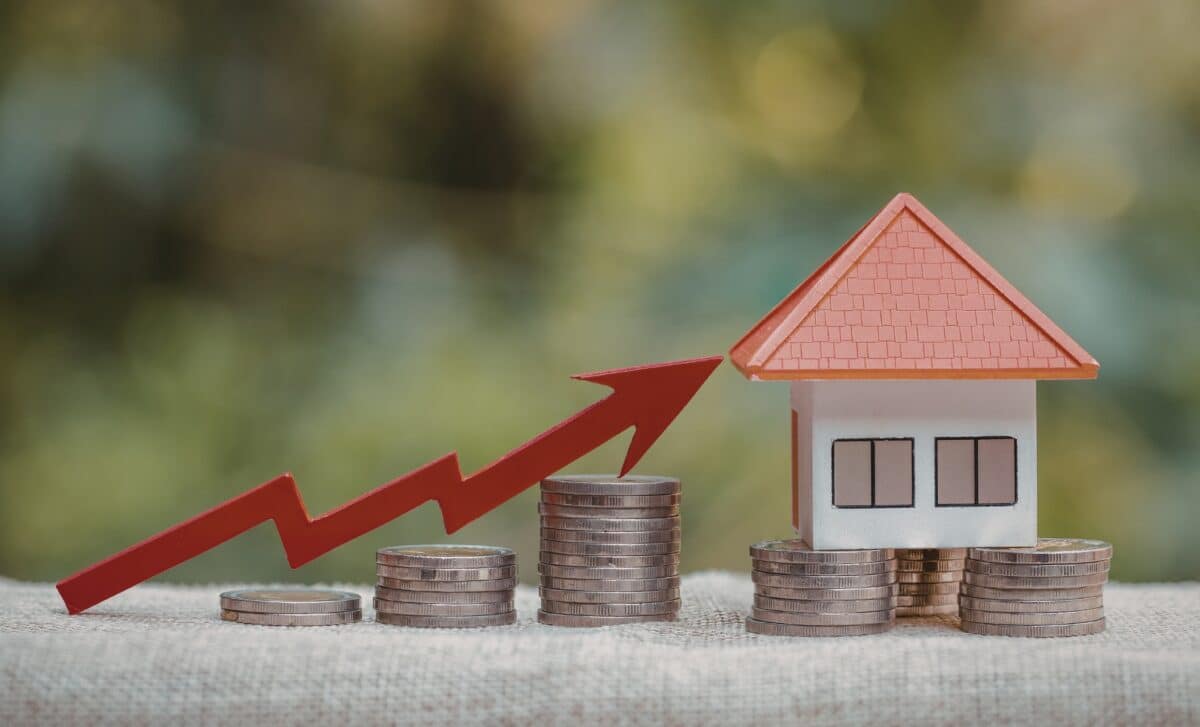
Just when it seemed like prices were starting to cool, inflation in Australia’s housing market has kicked back into gear — and it’s making life even tougher for renters, buyers, and policymakers alike.
Housing Inflation Picks Up Steam
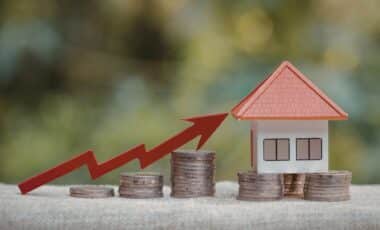
New analysis from MacroBusiness shows that housing-related inflation accelerated sharply toward the end of 2025, with rising rents, construction costs, and utility bills fuelling another spike in living expenses. The housing component of the consumer price index (CPI) rose 6.7% over the year to November — its fastest pace in months.
The data paints a worrying picture: while broader inflation had been easing, housing costs have gone the other way, driven by tight rental markets, surging demand, and lingering supply shortages. Analysts say this could keep overall inflation higher for longer, complicating the Reserve Bank of Australia’s path to rate cuts in 2026.
Rent and Construction Prices Keep Rising
Rents remain the biggest driver of housing inflation, with vacancy rates at record lows across major cities. Sydney, Brisbane, and Perth are seeing double-digit rent increases, while even Melbourne — long considered the most affordable capital — is now catching up fast. Meanwhile, home building costs have refused to ease.
Supply chain disruptions, labour shortages, and strong demand for renovation work have kept construction prices stubbornly high. Developers say the cost of materials like concrete, timber, and insulation continues to rise, putting pressure on new housing projects and slowing the pace of construction. That’s worsening the country’s chronic housing undersupply — and keeping prices elevated.
A Headache for the Reserve Bank
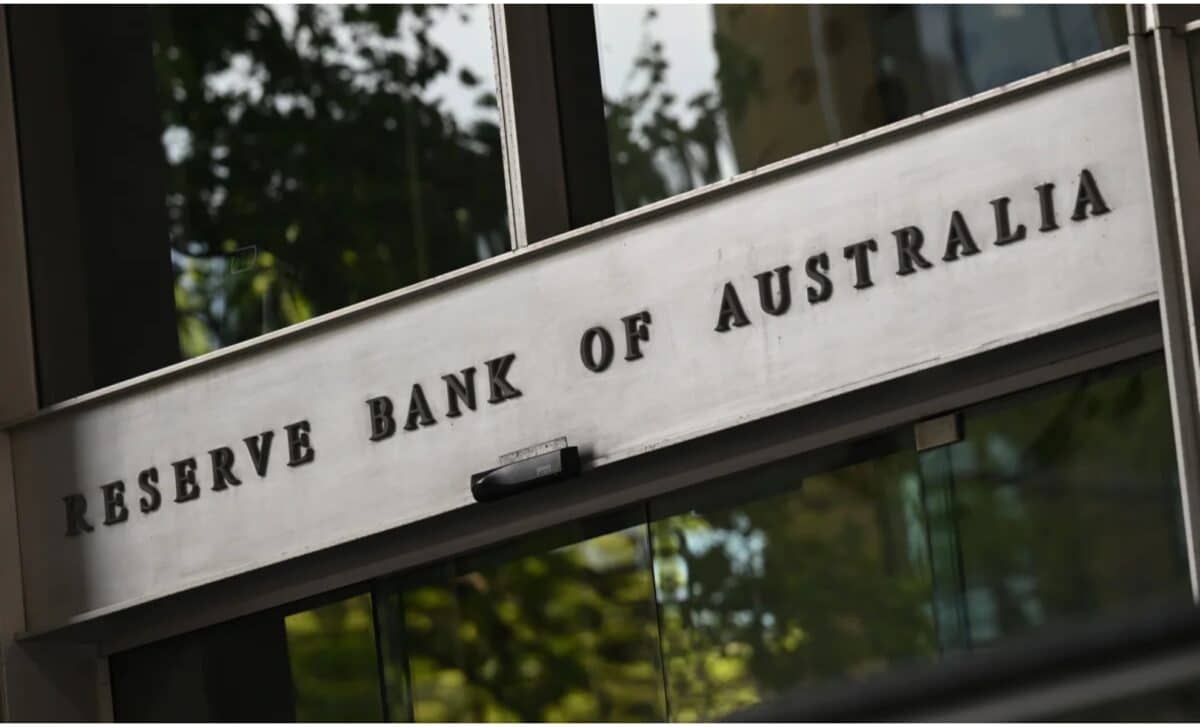
For the RBA, the rebound in housing inflation is a major concern. While other categories such as transport and food have stabilised, housing costs now account for nearly half of the remaining inflation pressure in the economy.
Economists warn that the central bank may need to keep interest rates higher for longer, or at least delay any plans to cut them in 2026. The RBA has said it needs to see “sustained progress” in bringing inflation back to its 2–3% target range before loosening policy.
What It Means for Households
For everyday Australians, the surge in housing-related costs adds yet another strain on household budgets. Renters are spending a record share of their income on housing, while first-home buyers are being squeezed out by rising mortgage repayments and property prices.
Economists say that without a stronger pipeline of new homes and rental relief measures, the pressure on families could intensify through 2026. In short, housing inflation — once thought to be easing — has come roaring back, keeping the dream of affordable living further out of reach for millions of Australians.