Australians are set to spend an extra $26.7 million on public holiday surcharges this Monday. As cafés and restaurants raise prices to cover wage penalties, the added cost is reigniting debate over transparency, fairness, and who really pays the price.
How the Surcharges Are Calculated
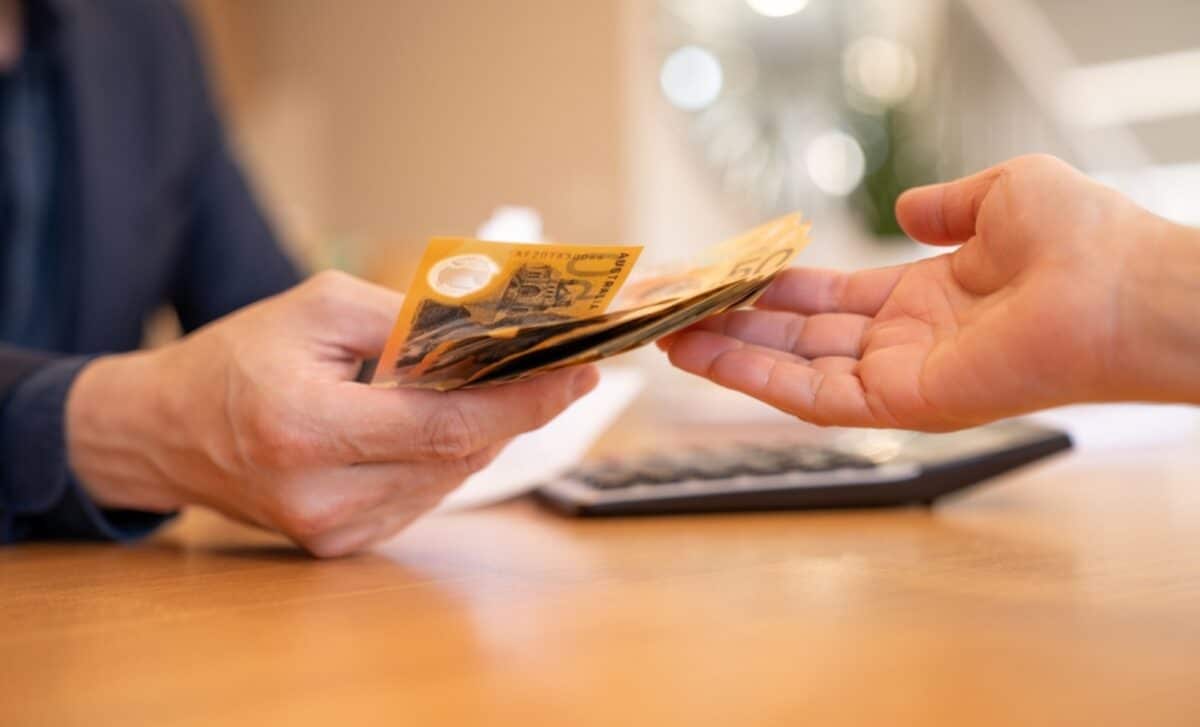
Australians are expected to spend an extra $26.7 million in public holiday surcharges on the Monday linked to Australia Day. This estimate is based on national spending figures from the Australian Bureau of Statistics, which show that Australians spent around $204.8 million on food and drinks during the same holiday last year. With the average surcharge sitting near 15%, the added cost isn’t small.
While there’s no official rule on how much a business can charge, the Australian Competition and Consumer Commission (ACCC) does require that any surcharge must be clearly disclosed—usually on the menu or a sign at the counter. But in practice, not everyone notices. And by the time you do, you’ve likely already ordered.
Finance expert Sean Callery, from comparison platform money.com.au, likens the practice to an “extra tax” on eating out. He advises customers to ask about pricing before placing their orders, just to avoid any surprises.

Holiday Bills That Add Up Fast
At first glance, a 15% surcharge might not seem like much. But when you apply it to already rising café prices, the impact grows quickly. A regular $7 coffee can rise to more than $8. A family breakfast that usually costs $100 can hit $115 with the surcharge added. And over a long weekend, those small differences can hit the household budget harder than expected.
Nationally, Australians are projected to spend $5.58 billion across January. Public holidays may represent just a fraction of that, but because so much spending is concentrated into a single day—combined with inflated rates—it feels more intense, explains Yahoo Finance.
The Business Side of the Holiday Markup
Café owners argue that surcharges aren’t about profit—they’re about survival. The hospitality industry runs on tight margins, and wage costs spike significantly on public holidays due to Fair Work rules. Businesses are required to pay between 225% and 250% of normal wages on these days.
According to Wes Lambert, CEO of the Australian Restaurant and Cafe Association, labour already makes up 30% to 40% of a venue’s revenue. On a holiday, that figure can jump to 75%, or even more. Many businesses say they’d be losing money without a surcharge. In fact, some report that even with one, they just break even.
Transparency Still Lacking for Many Diners
While the rules call for clear signage, many customers either miss the notices or feel they aren’t prominent enough. The ACCC stresses transparency, but much of the burden still falls on the diner to be alert and ask questions in advance.
Some people don’t mind paying a bit extra to support their favourite local café. Others walk away feeling misled. The difference often comes down to how well the fee was explained—or if it was explained at all.
A Delicate Balance Between Value and Viability
This issue sits at the heart of a growing tension in Australia’s service economy. Cafés are trying to stay open and cover rising costs, while customers face higher living expenses and want honest, affordable dining. When both sides are under pressure, even a modest surcharge can feel like a bigger deal.
In the end, what’s meant to be a relaxed holiday meal can become a quiet reminder that small luxuries now come with larger decisions.