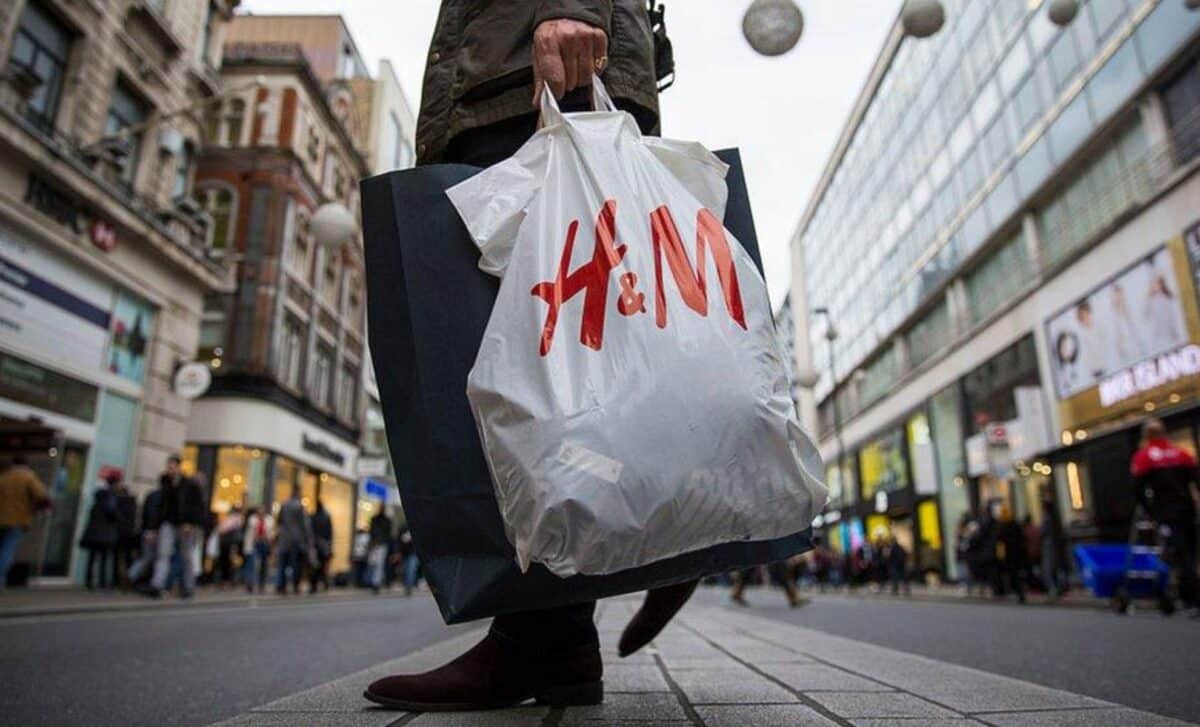
You’ve probably noticed it by now—more empty storefronts, fewer retail giants lining your favorite shopping streets. It’s the consequence of a growing trend, and it’s one that’s hitting H&M hard. The Swedish fashion retailer has recently announced it will close 200 stores worldwide, and this has left many wondering: what does this mean for Australia, and for the commercial property market down under?
A Shift in Retail Strategy
It’s no secret that H&M has been struggling to maintain the same foothold in the Australian market it once had. Back in 2019, the brand boasted 49 stores across the country. But today, that number has dwindled to 34. And with the recent news of global store closures, it’s clear that this decline may continue. H&M’s closures in Australia would be just the latest chapter in a bigger story about the evolution of retail.
The decision to shut down stores comes after years of challenges: the COVID-19 pandemic dealt a major blow to foot traffic in shopping centers, while the rise of online shopping—driven by platforms like Temu and Shein—has made it harder for brick-and-mortar stores to stay competitive. The change in consumer behavior is undeniable. Many Australians now prefer to browse and shop online, where prices are often lower, and delivery is just a click away. H&M’s move to streamline its store portfolio is a direct response to these shifting habits.
The Impact on Australia’s Commercial Property Market
But what does this all mean for Australia’s commercial property market? Well, more closures and fewer retail tenants can only lead to one thing: vacant spaces. This is especially concerning for landlords and property developers who rely on high street retail to keep their portfolios healthy. Major cities, already struggling with rising vacancy rates, will likely see more empty storefronts as retailers trim the fat.
The closure of H&M’s flagship store in Brisbane in September 2025 is a prime example of how this shift is unfolding. The store had been a staple in Queen Street Mall for 10 years, but as more people shop online, the brand found it increasingly difficult to justify the high costs of maintaining such a prominent physical presence. If H&M continues its closures in Australia, the commercial real estate sector will likely face growing challenges, especially in areas where retail rents are high.
Is This the End of the Mall Era?
While the retail sector isn’t exactly collapsing, the traditional shopping mall model is certainly facing an uphill battle. H&M’s decision to close stores isn’t unique. Many other big brands are reconsidering their physical footprint in Australia as they shift resources toward digital platforms. This trend isn’t just a temporary blip—it’s likely the new normal.
However, it’s not all doom and gloom. The commercial property sector could see some positive changes too. As shopping habits change, there’s an opportunity for malls and retailers to rethink their strategies. Perhaps we’ll see more experiential retail, where stores become places for customers to experience brands in new and creative ways, rather than just being places to make purchases.
The Road Ahead for H&M in Australia
So, will H&M continue to shrink in Australia, or is this just part of a larger strategy to thrive in the digital age? It’s hard to say. What we do know is that the retail landscape is shifting, and the companies that survive will be the ones that can adapt to the changing times. For H&M, that means focusing on a balance between physical stores and a more robust online offering.
As H&M and other retailers adjust, the commercial property market will need to evolve as well. It’s a tricky time for all involved, but change doesn’t always have to mean a bad thing. If anything, it’s an opportunity for both retailers and property owners to rethink how we shop, and what our cities might look like in the future.