Australia is facing a growing threat from the H5N1 bird flu strain, a virus that could devastate the nation’s agricultural industry. As the migration season for wild birds begins, experts warn the virus is only one mutation away from potentially catastrophic consequences. With Australia’s agricultural sector already reeling from previous outbreaks, preparedness is now a matter of urgent national concern.
The H5N1 virus, which has claimed lives globally, has been detected in wild birds, seals, and even mammals, prompting fears that Australia, the only continent free from reported cases, may soon face an outbreak. This marks a critical moment for Australian farmers, especially those in the poultry industry, where biosecurity measures have already been heavily reinforced following the nation’s worst-ever avian influenza outbreak in 2024.
Australia’s Vigilant Response to the Threat
In 2024, Victoria’s poultry farmer Brad McAuliffe faced financial ruin as his farm lost over half a million birds to the H7N3 strain of avian influenza. According to McAuliffe, his losses were in the range of $70 to $80 million in revenue, effectively reducing his operation to zero overnight.
Since then, McAuliffe has invested millions in biosecurity measures to shield his farm from the next outbreak. These measures include locked farm gates, antibacterial sprays, and stringent visitor protocols that ensure the virus is not introduced through human contact or equipment.
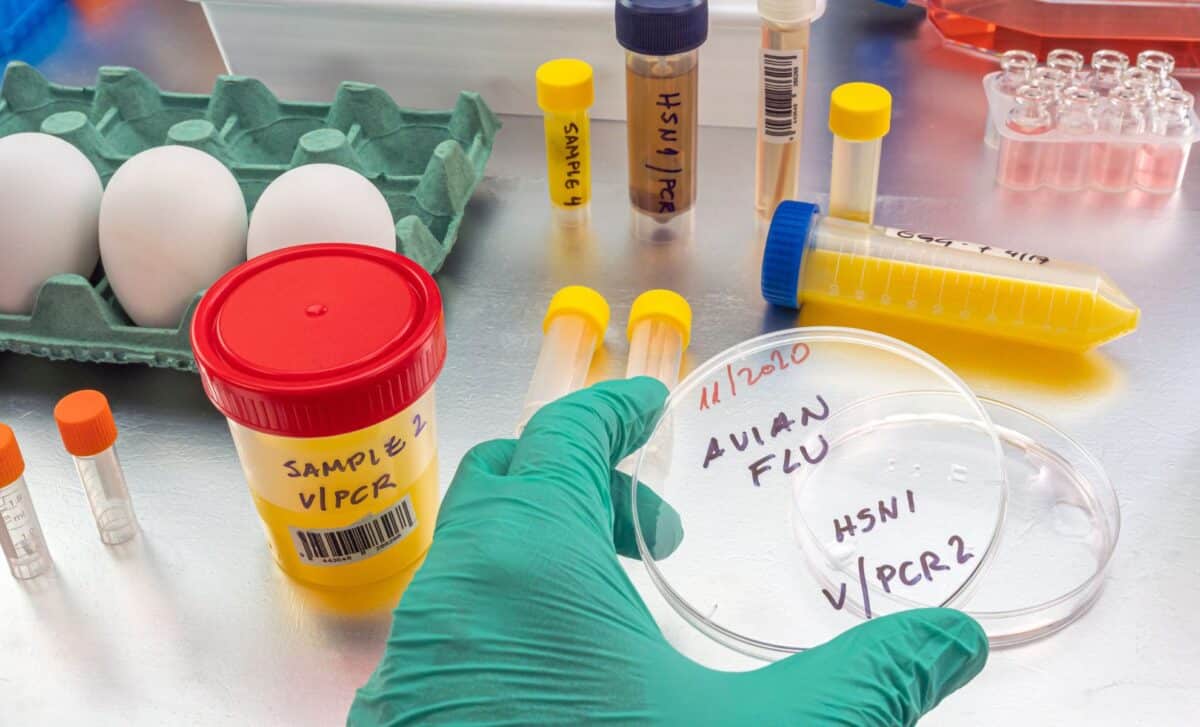
While McAuliffe’s farm has managed to avoid further outbreaks, the looming threat of H5N1 continues to be a concern. The virus, first identified in China in 1996, has since spread globally, infecting not only birds but other animals, including seals and mammals. With wild bird migrations set to peak in Australia’s spring season, authorities are stepping up efforts to prevent the virus from reaching the country’s shores. This is particularly concerning given the H5 strain’s ability to mutate, which makes it harder to control compared to other avian flu strains like H7.
Economic and Ecological Risks
The economic fallout from an H5N1 outbreak could be disastrous. Poultry farmers and livestock producers across Australia are on high alert, with the potential for massive disruptions to the supply chain. Charlotte Wundersitz from the National Farmers’ Federation noted that while the virus has traditionally impacted poultry farms, the broader agricultural community will bear significant responsibility should the virus spread to livestock. This could result in higher costs for farmers, which would ultimately affect consumers with price hikes for products like eggs.
Moreover, the ecological impact of H5N1 on native wildlife could be devastating. According to Carol Booth of the Invasive Species Council, regions like South America have already seen the virus wipe out large populations of wild birds and mammals, including pelicans and elephant seals. The risk to Australia’s unique wildlife is compounded by the virus’s ability to infect diverse species, and experts fear that an outbreak could lead to a mass die-off of native species.
In response, the Australian government is investing over $100 million to bolster biosecurity and preparedness measures. This includes funding for the production of pandemic vaccines, both for humans and native species, ensuring that Australia is better equipped to deal with any potential outbreak.