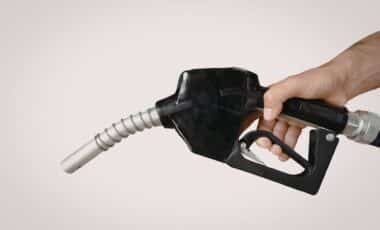
With fuel prices soaring and households under more financial pressure than ever, the Australian government has introduced a temporary relief measure: a 50% cut in fuel excise, slashing fuel prices by 26.3 cents per litre. While it may seem like a much-needed break, experts warn that this measure won’t be enough to protect Australians from the ongoing inflationary pressure or the interest rate hikes expected in the coming months.
Fuel Excise Cut: A Small Relief Amid Rising Inflation
It’s easy to think that the fuel excise cut will provide a real financial cushion, especially for families struggling to keep up with skyrocketing fuel prices. For instance, a typical driver could save up to $16 on a 60-litre tank. But as Luci Ellis, Westpac’s chief economist, points out, this is just a temporary bandaid over a much deeper wound. Inflation has already taken hold, and no single policy change can undo the broader economic pressures pushing costs higher across the board.
According to Ellis, even though the excise reduction may ease some pain in the short term, it will not stop the inflation from continuing to climb, reports Yahoo Finance. She predicts that by the June quarter, Australia’s inflation rate could hit 5.4%, well above the current 3.7%. So while fuel might be cheaper for a few months, the increase in the cost of goods and services is still going to sting.
The Bigger Picture: Interest Rates Set to Rise
The government’s fuel tax cut is only one part of the equation. As RBA Governor Michele Bullock has suggested, the central bank will likely raise interest rates again after its next meeting in May. Some experts foresee that these hikes could push the cash rate to 4.85%, the highest since the Global Financial Crisis. The higher rates are intended to curb inflation, but they also mean that mortgage holders will face even higher monthly payments.
This creates a particularly tough situation for homeowners who are already feeling the strain of increased living costs. The rise in interest rates could end up making it even harder for people to pay their mortgages, further exacerbating the cost-of-living crisis. The RBA’s decision to keep tightening monetary policy might leave many wondering if they’ll ever catch a break.
What’s the Government’s Response?
Treasurer Jim Chalmers has argued that the fuel excise cut is a positive step in addressing the cost-of-living pressures, but he admits that Australia’s challenges are far from over. While the reduction is a temporary fix, the broader issue of global inflation—fueled by rising fuel costs—remains. Chalmers has pointed to international markets and global instability as key factors affecting Australian consumers. But at the end of the day, the relief provided by the government could be short-lived if inflation keeps creeping up, pushing interest rates even higher.
A Complicated Future for Aussie Families
So, what does this all mean for Australian families? While the government’s fuel excise cut may provide immediate relief at the pump, it’s clear that the broader economic pressures won’t be solved so easily. With inflation still on the rise and interest rates expected to climb, Australians are likely to feel the pinch for some time. The question now is: How much longer can Australians hold on before more drastic action is needed?