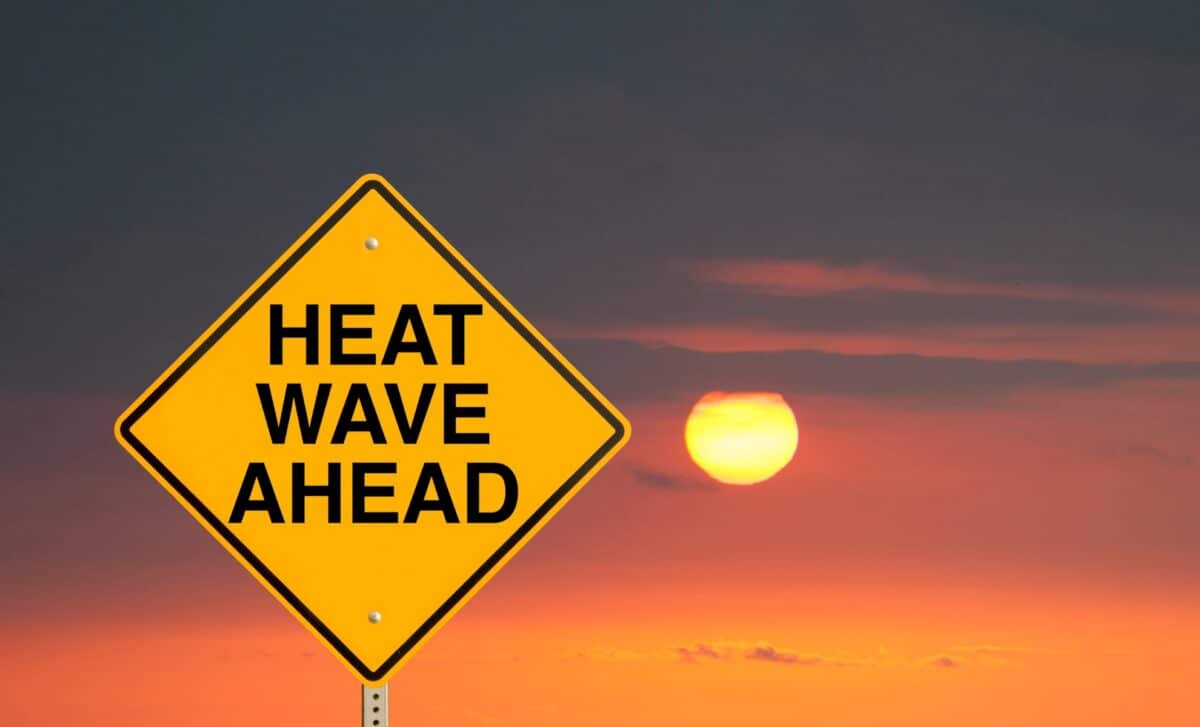
Western Australia is heating up — fast. A severe heatwave is sweeping across the state this week, pushing temperatures well past 40°C and leaving residents scrambling for shade, air conditioning, and cold water. Authorities are warning that the blistering heat will linger for days, making this one of the most extreme starts to the year so far.
The Heat Moves In
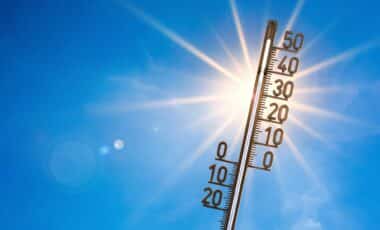
According to the Bureau of Meteorology (BoM), much of WA is set to experience several consecutive days of scorching conditions, with inland areas facing the harshest temperatures. Regions including the Pilbara, Gascoyne, and parts of the Mid West are expected to reach 43°C and above, while even the normally milder coastal areas won’t escape the swelter.
Forecasters say a persistent high-pressure system is trapping hot air over the state, causing the mercury to climb and leaving little relief overnight. For many residents, that means restless sleep and higher energy bills as air conditioners work overtime.
People across Perth are being advised to stay indoors during the peak of the day, avoid strenuous outdoor work, and keep an eye on those more at risk — including the elderly, children, and pets.
Health Warnings Across the State
Health authorities have issued alerts urging Western Australians to take precautions. Heat exhaustion and dehydration can come on quickly in such extreme conditions, particularly for those working outdoors. The WA Health Department has advised people to drink plenty of water, dress lightly, and check on friends or neighbours who may struggle to cope with the heat.
Hospitals and emergency services are preparing for an increase in heat-related cases, from fainting and sunburn to more severe heatstroke. Simple measures like taking cool showers, staying in shaded areas, and avoiding alcohol can make a noticeable difference, doctors say.
Fire Danger Rises
The Department of Fire and Emergency Services (DFES) has also issued total fire bans across several regions. The combination of dry winds, extreme heat, and parched landscapes is creating perfect conditions for bushfires. Authorities warn that even small sparks from machinery, campfires, or barbecues could lead to fast-moving blazes.
Residents are being encouraged to follow local fire warnings and ensure their properties are cleared of dry vegetation. For rural communities, having an evacuation plan ready remains vital.
When Will It End?
Unfortunately, the relief won’t come immediately. Meteorologists expect the heatwave to persist for much of the week before easing slightly toward the weekend. Even then, temperatures will stay above average for many regions, extending the discomfort for residents.
Experts note that events like this are becoming increasingly frequent due to climate change, with hotter summers and longer dry spells now the new normal across Australia. For locals, it’s another reminder that extreme weather is no longer an exception — it’s part of daily life.
As the heat intensifies, staying cool, staying alert, and staying connected could make all the difference. For Western Australians, this week will test more than just endurance — it will test resilience.