
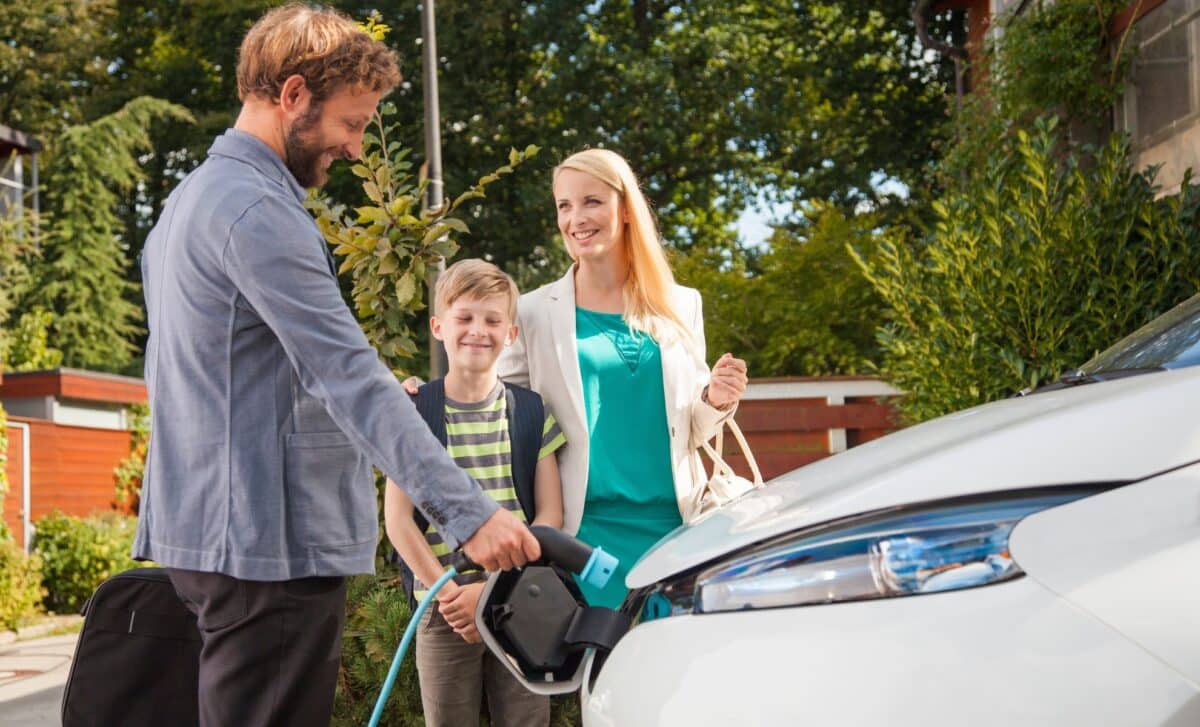
With fuel prices climbing and the cost of living rising, many Australians are being forced to rethink their driving habits. While we’ve all grumbled at the petrol station, the price hikes are now driving people toward more sustainable—and financially sensible—alternatives, like electric vehicles (EVs). But it’s not just new EVs that are getting the attention. Secondhand electric cars are now in high demand as Aussies scramble for cost-effective ways to deal with skyrocketing fuel costs.
Electric Vehicles: The Growing Alternative Amid Rising Fuel Prices
The ongoing conflict in the Middle East has caused a spike in global fuel prices, making it harder for many Australians to fill up their cars without feeling the pinch. Petrol has surged by about 80 cents per litre, and diesel prices are up by more than a dollar per litre. For people who rely on cars for daily commuting, these increases are adding significant strain to their household budgets.
But there’s a silver lining: more people are now turning to electric vehicles. The demand for EVs in Australia has surged, with the latest data showing a sharp rise in registrations for electric cars. And while many are still hesitant about the upfront costs of new EVs, the appeal of secondhand electric vehicles has grown, making the shift to greener, cheaper transport more accessible for a wider range of people.
Secondhand EVs: The Affordable Solution
One of the reasons secondhand EVs are in such high demand is that they offer a more affordable entry point into the world of electric cars. New EVs, while cheaper to run, have traditionally been more expensive to buy than their petrol counterparts. But secondhand electric cars, often coming from government fleets or novated lease agreements, provide a more budget-friendly option for families who need to cut costs without sacrificing sustainability.
What’s more, secondhand EVs are much cheaper to run than petrol cars, even before considering the impact of rising fuel prices. Charging an EV at home can cost a fraction of what it would cost to fill a tank of petrol, and with many families struggling with transport costs, this is an attractive option, explains The Conversation.
A Growing Need for Policy Support
Despite the increased interest in secondhand electric vehicles, many lower-income households still face challenges when it comes to affording either new or used electric cars. To make EVs more accessible to everyone, experts are calling for more government support and incentives. In Europe, countries like France have introduced social leasing programs that allow low-income households to lease electric cars at a reduced rate. Something similar could make a big difference in Australia, where access to affordable electric vehicles remains a barrier for many.
As fuel prices continue to rise, it seems more and more Australians will be looking for ways to reduce their reliance on petrol. Electric vehicles, especially secondhand ones, are a logical solution for those trying to manage their finances without sacrificing convenience or environmental responsibility. But to make sure this transition is sustainable for everyone, it will take more than just rising demand—it will require thoughtful policies and financial support to ensure EVs are truly accessible to all.