As the weather warms up, Australians are being warned about the upcoming “disaster season.” But what exactly does that mean? And should we be concerned that it’s no longer just a summer issue?
A Season That’s Changing
When we think of Australia’s “disaster season,” most of us picture the summer months—bushfires, floods, and the occasional cyclone. But the reality is more complicated. Sure, disasters are more frequent in the warmer months, but they don’t stick to a neat, calendar-bound schedule.
Communications Minister Anika Wells recently made headlines by urging Australians to trust the emergency Triple Zero system as the disaster season approaches, reports Thenewdaily. But let’s be clear: it’s not just about preparing for summer. In fact, the increasing unpredictability of our weather is making it harder to pin down a specific disaster timeframe.
Take bushfires, for example. We used to think of them as strictly a summer event, with the fire season starting around October in southern Australia. But in 2019, during the Black Summer fires, we saw blazes starting in winter and spring, long before the usual fire season kicked off. This is a perfect example of how the seasons are becoming blurred, with fire danger starting earlier and lasting longer.
Weather Isn’t the Only Factor
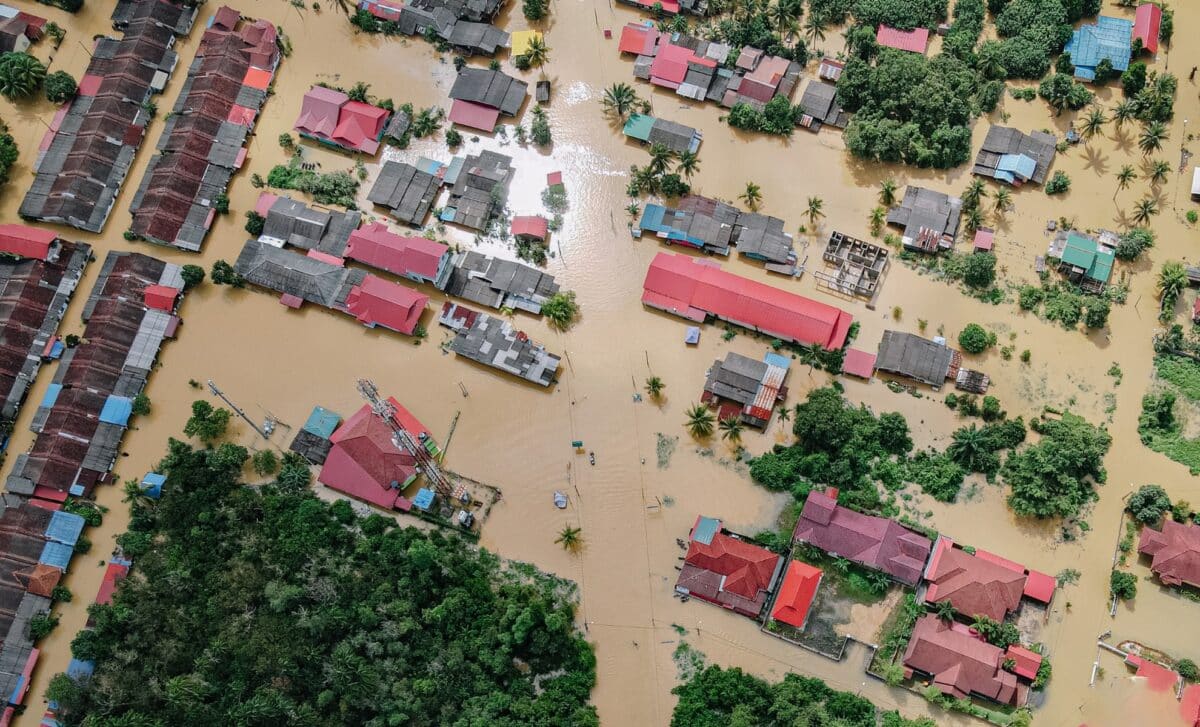
While bushfires are often top of mind, floods are another big part of the equation. In northern New South Wales, the flood season usually falls in summer, but in other areas like the Murray River, it’s more common in winter and spring. So, you can see the issue here: weather-related disasters don’t play by any one set of rules.
Then there’s the issue of cyclones and severe storms. These can happen well after summer ends, as we’ve seen in recent years. Severe thunderstorms—especially ones with large hail or damaging winds—can occur almost any time of year, even after the “official” storm season has passed. Remember the infamous Sydney thunderstorm of 1999? That hit in April, well outside the typical season, and caused significant damage.
The Growing Threat of Disasters
And then there’s the elephant in the room—climate change. It’s no longer a debate for some: we’re seeing clear signs that fire seasons are getting longer, storms are becoming more intense, and even the tropics are expanding, shifting weather patterns and increasing disaster risks in unexpected places. Australia’s disaster seasons are no longer just confined to a few months—they’re spreading, overlapping, and increasing in intensity.
The idea of a “disaster season” is handy shorthand, but it can be misleading. The truth is that extreme weather events are becoming more frequent and unpredictable, and it’s important to be aware of the risks year-round.
The Bigger Picture
With the climate changing, we can expect even more disruption. Floods may not just happen in the summer, fires may not only happen in the spring and summer months, and storms could pop up any time. So, while it’s good to prepare for the traditional disaster season, it’s also vital to stay alert and adjust our expectations about when and where these events might strike.
We’re already seeing the impact of climate change in terms of more intense bushfires and floods. The sea level is rising, slowly but surely, and coastal erosion is becoming a bigger problem. These aren’t abstract concerns—they’re happening right now, and they’re not going away anytime soon.
The best approach to Australia’s increasingly unpredictable disaster seasons is preparedness. Don’t rely on the idea of “a season”—prepare year-round. Whether it’s making sure your emergency kits are stocked, checking on your home’s flood resistance, or simply staying informed about weather updates, being proactive is key.