In recent times, a new kind of scam has been making waves across Australia. Known as “disaster chasers” or “carnappers,” these companies are targeting vulnerable Australians in the aftermath of accidents and natural disasters. They promise fast repairs and easy insurance claims but are leaving many people with enormous bills and plenty of headaches.
The Rise of Disaster Chasers
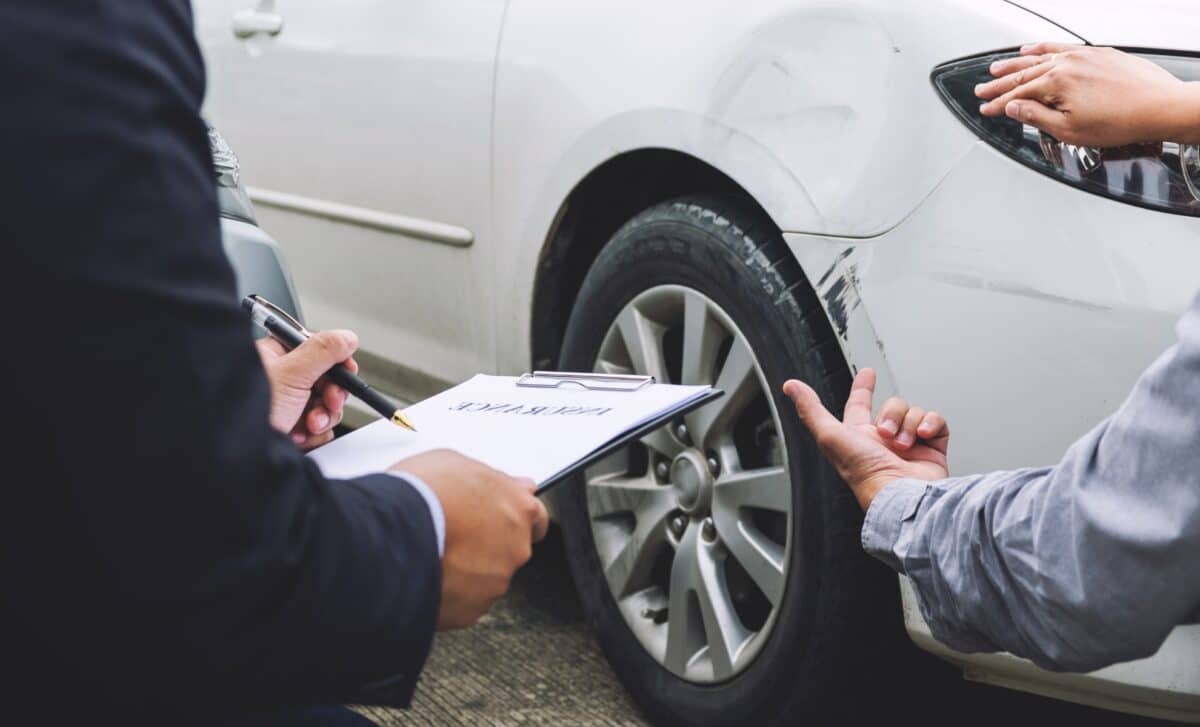
Disaster chasers are third-party companies that appear after a car accident or natural disaster, offering to handle insurance claims and repair work on behalf of customers. Sounds convenient, right? Unfortunately, these services often come at a much higher price than expected. They typically approach victims in the wake of an accident, either through targeted ads, phone calls, or even by knocking on doors in areas hit by storms or floods. At first glance, it may seem like a helpful service, but the consequences can be far worse than imagined.
The Hidden Costs of ‘Hassle-Free’ Claims
The issue with these companies is that when they get involved, there’s no guarantee that repairs will be done properly or that the insurance claim will be handled efficiently. In fact, customers often end up having to redo repairs just to satisfy the insurance company. What’s worse, some intermediaries pursue the clients for unpaid costs, including hefty charges for hire cars, which may have been rented out at inflated rates.
In motor accident cases, these companies might rent temporary cars to customers, but if the insurer doesn’t cover the full amount, the client may end up paying for the difference. This is when things can get really sticky, and many unsuspecting customers are left scrambling to figure out what they owe and why.
‘Carnapping’ and Vehicle Hold Ups
In some cases, the problem escalates to something called “carnapping.” This is when these third-party companies hold onto a customer’s vehicle until the repair fees are fully paid, which can leave people feeling trapped. This tactic is both frustrating and costly for those involved, as their cars can be kept hostage for an extended period while the dispute drags on, explains The Age.
Insurers Speak Out
Insurers, like IAG (which supports brands such as NRMA and CGU), have been vocal about how these third-party claims managers are inflating the costs of repairs and making the process more complicated. The cost of handling claims via these intermediaries can rise by as much as 180 percent, and the delays they cause are frustrating for everyone involved. And the price isn’t just paid by the people using these services—it’s passed on to all customers in the form of higher premiums.
The rise in these practices has led to increased calls for stronger regulation. Companies like IAG want to see disaster chasing outlawed, as they claim it is harming both consumers and the insurance industry at large.
How to Avoid Falling for Disaster Chasers
One of the key issues with disaster chasers is that they prey on people in vulnerable situations—after an accident or natural disaster. That’s when many people are most likely to make rash decisions. The advice from experts? Contact your insurance company directly, especially if you’ve been approached by someone offering to handle your claim or repair. Always double-check with your insurer to ensure you’re not inadvertently signing up for a deal that could come back to bite you later.
Additionally, be wary of anyone asking for upfront payments or offering promises of fast repairs or instant insurance payouts. Legitimate repair services and insurers won’t ask for payment until the work is completed, and they certainly won’t keep your vehicle until they’re paid.
The Legal Grey Area
Unfortunately, even though these practices are predatory, they aren’t outright illegal. They operate in a legal grey area, taking advantage of consumers who are often too shaken or stressed to make informed decisions. The challenge is that while these companies are operating legally, their practices can lead to significant financial harm for people already dealing with the stress of a recent accident or natural disaster.