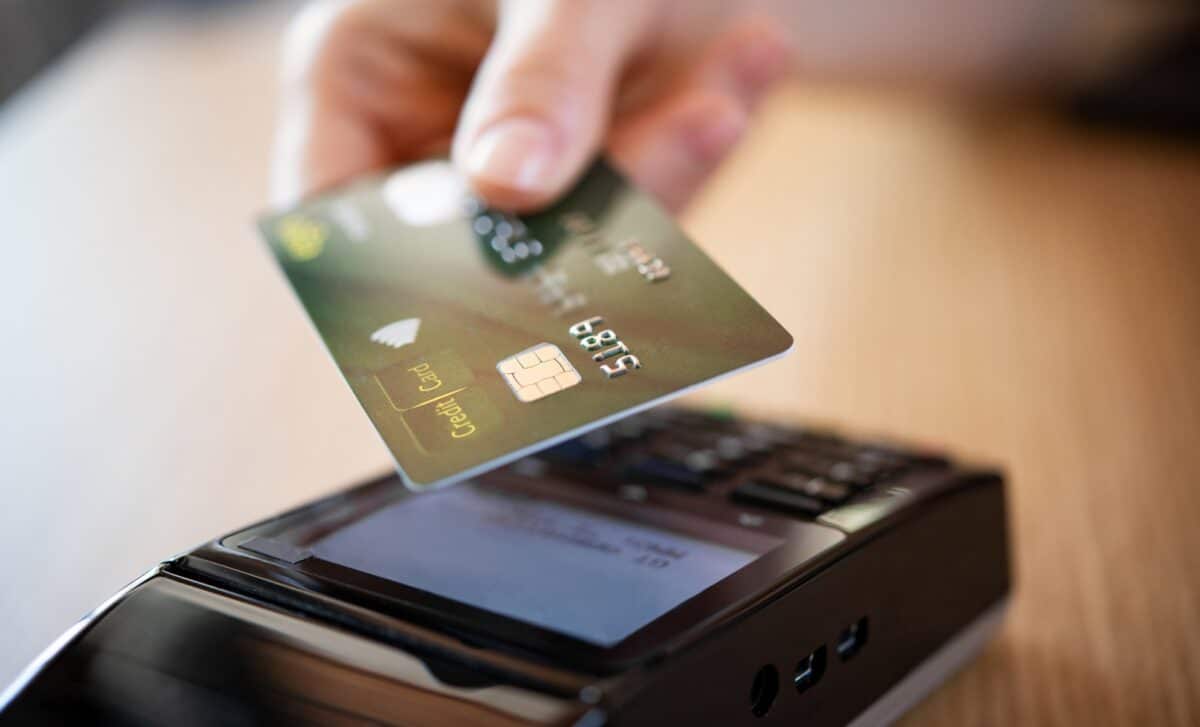
The festive season didn’t quite bring the usual surge in spending for Australian households. In December 2025, spending dropped 0.4%, following a solid 1% rise in November. It’s a shift that some economists saw coming, while others are still scratching their heads about why the figures didn’t align with expectations. If you’re wondering whether this signals a bigger problem for the economy, you’re not alone—many are asking if rising interest rates and post-Black Friday fatigue are to blame.
The Slowdown in Consumer Spending
So, what happened? Well, it seems that after the big Black Friday sales, Australians took a breather. Tom Lay, from the Australian Bureau of Statistics (ABS), explained that the drop in December spending wasn’t a surprise. Many consumers tend to bring their purchases forward during those sales events in October and November. Essentially, people splurged a little early and then took a bit of a break.
Interestingly, clothing and footwear saw the biggest drop in December, down 2.4%. This category tends to see the biggest growth during the Black Friday period, so it makes sense that people wouldn’t be buying as much in December. Likewise, sectors like furnishings, household equipment, and health also saw declines—1.7%, 1.3%, and 0.8% respectively. It’s not that Australians weren’t spending—they were just picking their battles a little more carefully.

The Cash Rate and Its Impact
Of course, we can’t ignore the cash rate. With the Reserve Bank of Australia hiking it to 3.85%, it’s definitely a factor in weaker consumer sentiment. The higher cash rate means higher borrowing costs, making people more cautious when it comes to spending. While many didn’t anticipate an immediate effect, it seems the reality is starting to sink in.
It’s no secret that higher borrowing costs push Australians to think twice before splurging, especially for big-ticket items like new appliances or furniture. For people on a fixed income, like retirees or those living paycheck to paycheck, every extra cost feels like a bigger hit to the budget. And, when people feel stretched thin, they pull back on purchases.
Is This Just the Calm Before the Storm?
Looking ahead, it’s unclear whether this slowdown will continue or if it’s just a brief lull. With wages barely keeping up with inflation, and rising interest rates making loans more expensive, consumer confidence is low. Even if the economy is on a slow burn, it’s evident that many Aussies are feeling the pinch, especially when it comes to discretionary spending. The cost of living crisis is real for a lot of families.
Still, some experts are hopeful. The Black Friday sales might have been a temporary boost, but once the dust settles, we could see a return to a more stable, sustainable growth pattern, explains Yahoo Finance. After all, it’s not all bad news. Australia’s savings rate is still strong, and businesses are adjusting to a world where more people are digitally shopping than ever before.
What Does This Mean for the Future?
If anything, the December spending data shows that caution is key for Aussie households at the moment. While it’s still early days, the pressure on the household budget isn’t likely to ease any time soon. With the cash rate likely staying high through 2026, spending may remain on the softer side as people adjust their habits to the ongoing economic uncertainty.
In short, 2026 could be a year of slow but steady spending. But if inflation starts to ease and wages begin to rise, we might see a bit more action in the economy. Until then, it’s all about managing expectations and not overcommitting. If you’re feeling like you’re walking a tightrope, know that you’re not alone. Australians are rethinking their financial strategies—and it looks like that trend will continue.