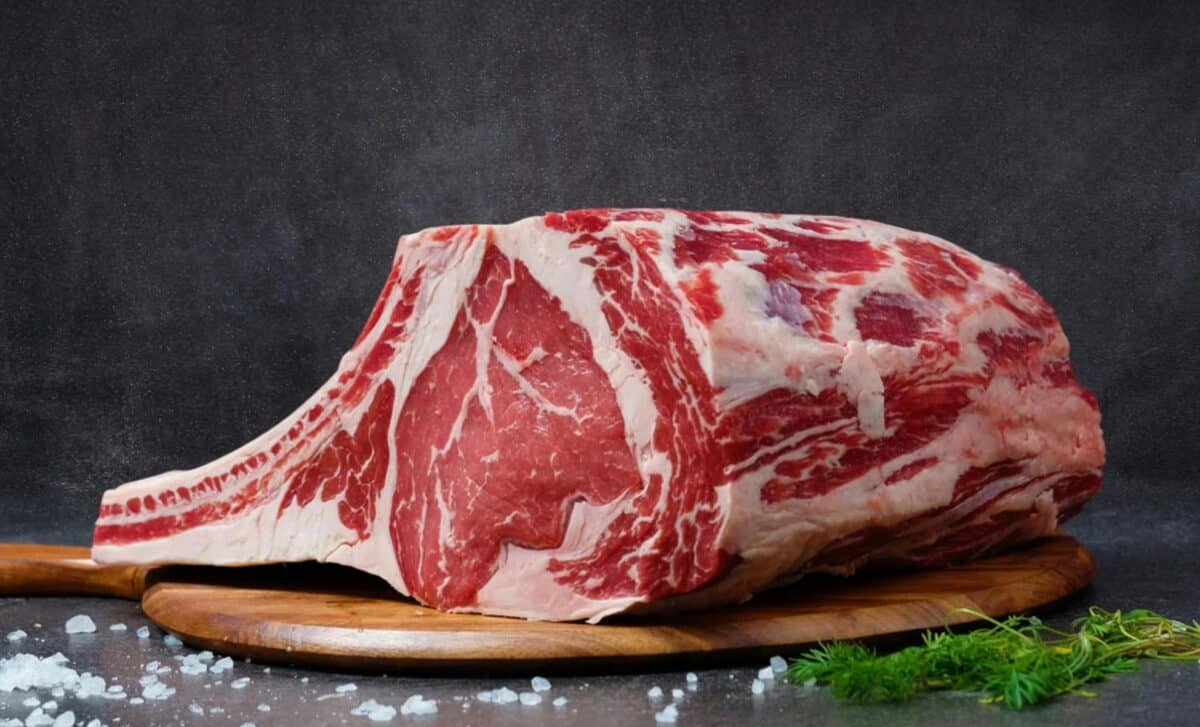
Just when things were starting to look up for Australian beef exporters, China has delivered a blow that few saw coming. The nation has announced new import limits and steep tariffs on beef, reigniting trade tensions that many thought were behind us. And for Australian farmers, the timing couldn’t be worse.
A Pricey Cap on Beef
From January, China has imposed strict import caps on beef from all overseas suppliers. Anything that exceeds the cap will now be hit with a 55% tariff, a move Beijing says is designed to protect its domestic cattle industry.
For Australia, this decision is another major setback in a relationship that only recently began to heal after years of COVID-era trade restrictions. According to Cattle Australia chair Garry Edwards, the new rules could leave roughly $1 billion worth of Australian beef looking for new buyers.
“The large volume of beef redirected from the American market into China has gone in at very low prices, and that’s had a direct impact on Chinese beef producers,” Edwards said. “Now we’ll have to find other markets for about a billion dollars’ worth of product.”
Canberra’s Delicate Balancing Act
Prime Minister Anthony Albanese confirmed that discussions are already underway with Chinese officials. He was careful to point out that Australia isn’t being targeted specifically — the new rules apply to all exporters. “This is a general position that China has put,” he said to 9News. “It’s not Australia being singled out.”
But opposition politicians were less diplomatic. Sussan Ley argued the government should have seen this coming and taken steps to protect local producers. “Australia should not be included in these restrictions,” she said. Nationals leader David Littleproud went further, calling on the Prime Minister and Trade Minister Don Farrell to make “urgent representations” to their Chinese counterparts.
Beef Prices at Home Could Fall
While exporters are bracing for losses, Australian consumers might soon feel a small upside. With less beef heading overseas, more will likely end up on domestic shelves. That could mean lower prices — at least in the short term.
“We may see a reduction in domestic beef prices,” Edwards admitted, noting that high-quality cuts could become more affordable for local shoppers. Still, this is little comfort for farmers, who have already endured years of volatile export conditions, floods, droughts, and fluctuating global prices.
A Familiar Strain in Trade Relations
For Australia, this episode is yet another reminder of the fragile balance that defines its relationship with China. After years of sanctions on wine, barley, and lobster, the beef industry had finally started to recover. Now, that progress risks being undone.
Albanese insists Australian beef remains in “strong demand around the world” and that new markets could absorb the surplus. But rebuilding trade confidence takes time — something many rural producers don’t have much of right now.
As 2026 begins, Australia’s farmers find themselves in a frustratingly familiar spot: caught between economic opportunity and geopolitical tension, waiting once again for the dust to settle.