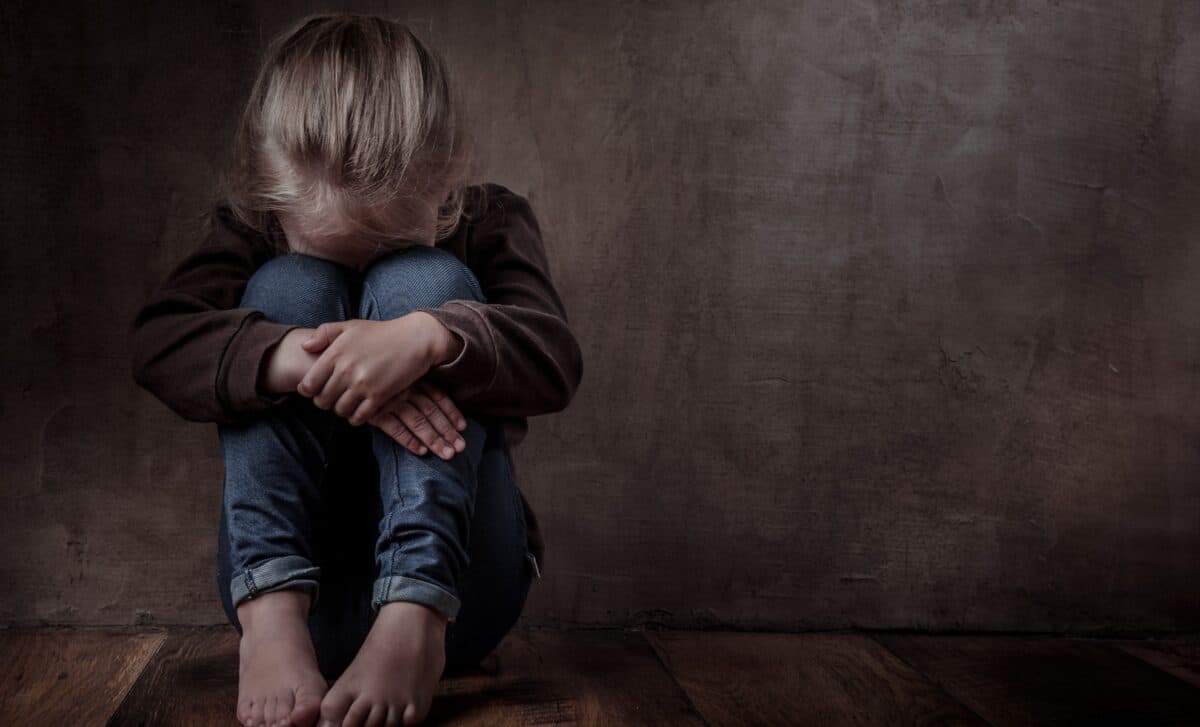
The poverty crisis in Australia has reached alarming levels, and it’s our children who are bearing the brunt. New research reveals that one in five kids across the nation are living below the poverty line, marking a dramatic increase over the past decade. This is a situation we simply cannot afford to ignore, as the numbers continue to climb and the effects deepen.
The Growing Crisis of Poverty in Australia
Barnardos Australia, a child advocacy group, recently sounded the alarm after analyzing the country’s poverty rates. According to their findings, over 823,000 Australian children—roughly one in five—are now living in poverty. This is the highest number in over 20 years. The impact of rising living costs, stagnant wages, and a housing market that continues to outpace inflation has pushed more families into hardship, particularly single-parent households.
Ten years ago, the number of children living in poverty was one in seven. So, what happened in the last decade? According to Barnardos Australia, it’s a combination of increasing rents, stagnant government support, and policy decisions that are simply not working for those who need it most.
Who’s Most Affected by Poverty?
One of the most troubling statistics revealed is that nearly half (44%) of children living in single-parent households are now living in poverty. That’s more than three times the rate of children in two-parent families, who experience poverty at a rate of about 13%. These numbers tell a story of systemic inequality and a failure to support single mothers who are often forced to navigate a series of barriers that keep them trapped in financial hardship.
The affordability of housing is also a major driver of this crisis. Between 2021 and 2022 alone, lower-income families saw rents rise by nearly 18%, far outpacing the general household average of 11%. Families struggling to make ends meet are finding themselves unable to afford basic housing, further exacerbating their financial troubles. This is a direct blow to the stability that every child deserves to have in their home.
The Need for Urgent Reform
Grace Hong, Centre Manager at Barnardos, doesn’t mince words when she says to The northern rivers times, “This is a crisis that’s completely preventable.” She urges the government to take immediate action to address the root causes of child poverty. Among the solutions they are advocating for are adequate income support for families, especially single parents, affordable housing, and accessible childcare. Without these crucial reforms, the cycle of poverty will only continue to trap more children in its grip.
Hong also highlights the impact on children’s well-being, pointing out that many kids are forced to skip meals, miss school, and miss out on social activities—basic childhood experiences that are integral to their development. These experiences are not luxuries; they are essential parts of growing up, and to deprive children of these opportunities is to rob them of their future potential.
What Can Be Done to End Poverty?
Barnardos Australia insists that child poverty is not inevitable. They believe that with early intervention and coordinated national responses, we can start to reverse the trend. The organization has called for specific policy changes, including tailored services for families in crisis and support for parents trying to break free from the cycle of disadvantage. Hong concludes, “Every child in Australia deserves to thrive and enjoy their childhood. With the right support, we can make that a reality.”
As the number of children living in poverty continues to rise, it’s clear that this is not just a statistic—it’s a wake-up call for all Australians. It’s a call to action to ensure that every child, no matter their background, has the opportunity to grow up in a stable, supportive environment.