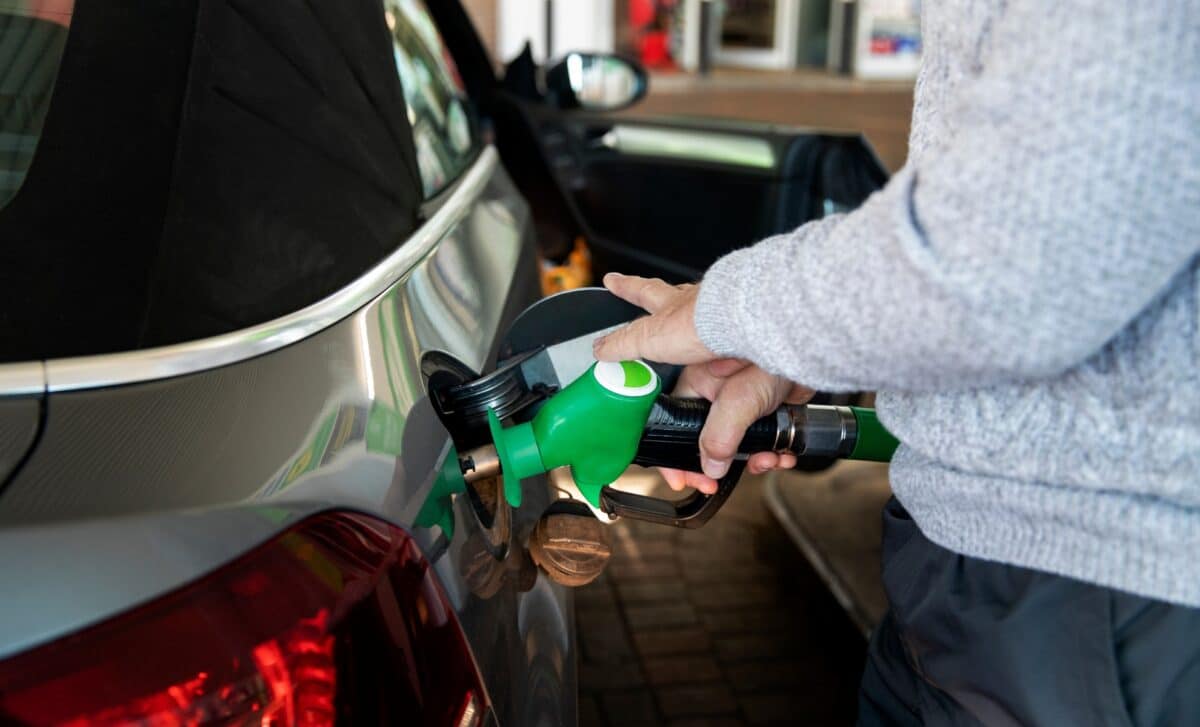
If you live in Brisbane, filling up your car has never been more painful. The city has officially recorded the most expensive petrol prices in Australia — and motorists are fuming.
Brisbane Tops the Nation for Petrol Costs
According to the Australian Competition and Consumer Commission (ACCC), Brisbane has overtaken Sydney and Melbourne as the capital with the highest average unleaded petrol prices. The city’s motorists are paying an average of $2.12 per litre, with some stations charging even more at the peak of the price cycle.

The ACCC says Brisbane’s fuel market remains less competitive than other major cities, with fewer independent retailers and limited discounting. That lack of competition has contributed to higher retail margins, leaving drivers little choice but to pay up. The report also found that Brisbane’s average prices were 6 to 8 cents higher per litre than in Sydney, despite similar wholesale costs.
Over the course of a year, that difference could add hundreds of dollars to a typical household’s fuel bill.
Why Petrol Prices Are So High
Several factors are driving the latest spike in petrol costs. The global price of crude oil has risen sharply in recent months due to supply concerns in the Middle East and ongoing production cuts by OPEC+ nations. A weaker Australian dollar has also made imported fuel more expensive.
Locally, analysts say the city’s relatively small number of independent retailers has made it harder for price competition to work effectively. While Sydney and Melbourne benefit from larger chains offering discounts, Brisbane’s retail market remains dominated by the major fuel brands.
The ACCC has urged Queensland motorists to use fuel comparison apps and fill up strategically — ideally at the bottom of the price cycle — to avoid paying top dollar.
Queensland Drivers Under Pressure
The record-high petrol prices come at a time when household budgets are already stretched by rising rents, energy bills, and grocery costs. Some Brisbane residents are driving less or combining errands to reduce fuel consumption, while others are considering public transport to cut costs.
Economists say that if fuel prices stay elevated through 2026, they could contribute to broader inflationary pressures — complicating efforts by the Reserve Bank of Australia to bring overall inflation back within its target range.
Relief May Still Be a While Away
Fuel experts don’t expect any immediate relief. While crude oil prices could moderate later in the year, the combination of global volatility and local market structure means Brisbane drivers are unlikely to see sub-$2 prices anytime soon.
For now, motorists are being urged to shop around, keep an eye on price cycles, and brace for a long stretch of expensive commutes.