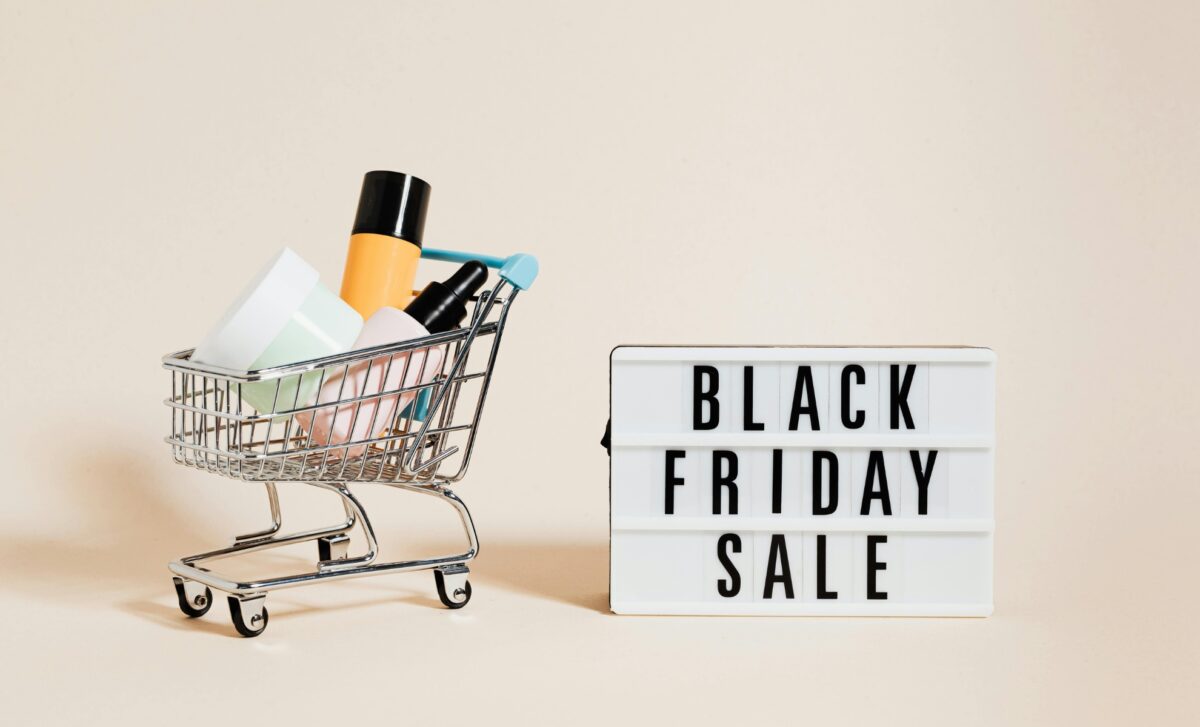
It’s that time of year again when shopping carts fill up, and online checkouts experience a mad rush. But in 2025, something’s a little different. While Black Friday used to be about scoring big-ticket splurges — TVs, gadgets, designer bags — this year, essentials are the star of the show. As cost-of-living pressures bite, Aussies are turning to the sales to stock up on things like toilet paper, cleaning supplies, and stationery, rather than splurging on extravagant purchases.
Shoppers Adjusting Priorities
Take Carly Seeto, for example. A 37-year-old mother of two living in Sydney’s inner west, Carly’s Black Friday plans don’t involve a new phone or a shiny kitchen appliance. Instead, she’s on the lookout for sales on household essentials. “I’m obsessed with finding deals on everyday items,” she admits to AFR. “With the rising cost of housing, groceries, and schooling, I need to make sure I’m not paying full price for things like toilet paper or cleaning products.”
Her story isn’t unique. Many Australians are finding that their priorities have shifted from indulgence to practicality, as ongoing inflation and rising living costs force them to reassess how they spend. For many, the Black Friday sales have become a chance to fill the pantry, stock up on personal care items, and save a few dollars on the basics that are necessary for everyday life.
A Shift in Retail Strategy
This year, retailers are noticing the shift in consumer habits. According to experts, essentials are leading the charge in sales figures. Big-ticket items like televisions, electronics, and luxury goods aren’t getting the same level of attention as they did in previous years. Retailers have had to adjust their strategies, offering discounts on items that might have previously been excluded from such sales. From bulk cleaning products to everyday kitchen gadgets, these kinds of items are now the focus of many Australians’ shopping lists.
One might wonder if this trend will continue beyond Black Friday. If consumers continue to face financial pressures, essential goods could continue to dominate future shopping events. Retailers may find that catering to these needs will be just as important, if not more, than tempting consumers with the latest gadgets and luxury items.
Impact of Inflation on Consumer Behavior
Inflation and rising costs have been a driving force behind this shift. Over the last few years, many Australians have found their wages stagnating while living costs — from rent to groceries — have climbed higher. As a result, people are looking for ways to stretch their dollars further. Retailers, understanding the importance of this shift, have leaned into promoting essentials, ensuring that shoppers can get what they need without overspending.
However, it’s not just about the necessities. The trend suggests that even when people are buying essentials, they’re still hunting for deals and discounts — looking for that little extra value. The mentality seems to be about survival, not just splurging. And that’s a real reflection of where many Australian households find themselves in 2025.
Looking Ahead: A New Shopping Paradigm?
So, what does this mean for the future of shopping in Australia? Black Friday, once a day for consumer indulgence, is evolving into a more thoughtful, frugal occasion. Maybe it’s the new normal, with shoppers more conscious of how they spend their money, whether it’s on sale or not. Essentials are becoming the new luxury, and perhaps that’s what Black Friday in 2025 — and beyond — will look like: fewer impulse buys, and more deliberate, practical purchases.
It’s an interesting shift, and one that might be here to stay. As Australians continue to navigate uncertain economic times, it’s likely that essentials will remain at the forefront of their shopping habits, turning Black Friday into less of a splurge day and more of a strategy for everyday savings.