
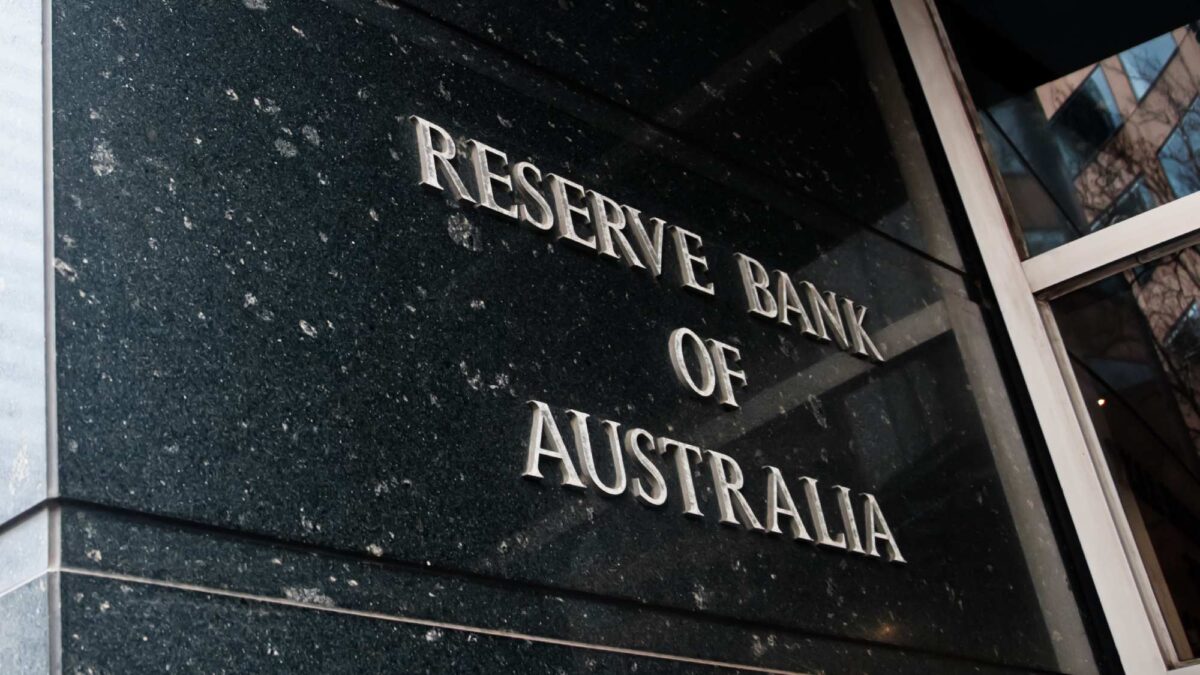
The Reserve Bank of Australia (RBA) is approaching its next monetary policy meeting amid mixed economic signals. Australia’s major banks, including Commonwealth Bank, Westpac, NAB, and ANZ, are closely watching the latest economic indicators, with most expecting the central bank to keep the cash rate unchanged at its upcoming September meeting.
According to Finance Yahoo, despite recent weaker-than-expected employment data, analysts remain confident that the RBA will adopt a cautious stance for now. Many anticipate that a rate cut could occur in November, but the central bank is expected to base its decision on broader economic trends rather than short-term fluctuations.
Weaker Jobs Data: What It Means for the RBA’s Decision
The Australian Bureau of Statistics reported that the unemployment rate remained stable at 4.2% in August. However, the latest data showed some concerning trends in the job market. Employment fell by 5,400 jobs in August, following a strong gain of 26,500 in July.
Full-time employment saw a significant drop of 40,900, while part-time employment grew by 35,500. This weaker-than-expected data paints a less optimistic picture of the labour market than previously anticipated.
Despite these disappointing figures, Westpac economist Ryan Well emphasized that the RBA is unlikely to change its course based on monthly data alone.
The data painted a weaker picture on the labour market than we had anticipated, but the broad strokes remain unchanged – the labour market is gradually softening once again – Well said.
He noted that the RBA would continue to take a longer-term view, given the volatility in monthly reports.
This is unlikely to shift the calculus materially for the RBA, which prefers to take a multi-month view on current trends given the volatility in the monthly data – Well added.
What Are the Big Four Banks Predicting for the Cash Rate?
All of Australia’s major banks expect the RBA to hold the cash rate steady at its September meeting. However, they are predicting a rate cut in November. The banks’ forecasts vary, but most agree that the central bank will not act quickly in response to recent job figures. Here are the predictions for the RBA’s next moves:
- Commonwealth Bank (CBA): The bank expects a single cut of 25 basis points in November, bringing the cash rate to 3.35%.
- Westpac: Westpac anticipates three rate cuts, in November, February, and May, lowering the rate to 2.85% by mid-2026.
- NAB: NAB forecasts two rate cuts, in November and February, with the cash rate dropping to 3.10%.
- ANZ: ANZ also predicts one rate cut in November, bringing the cash rate to 3.35%.
The markets are also aligned with these forecasts, pricing in 86% likelihood of a 25 basis point cut in November. In contrast, there’s only a 10% chance of a rate cut in September. This reflects the market’s expectation that the RBA will take a cautious approach, allowing more time for economic trends to unfold before acting.
Inflation and Consumer Prices: A Key Factor in RBA’s Decision
Inflation remains a key consideration for the RBA. The Consumer Price Indicator (CPI) increased by 2.8% over the 12 months to July, up from 1.9% in June. This marked the highest annual inflation rate since July 2024, which suggests that inflationary pressures are still present in the Australian economy. However, the RBA is likely to weigh this against other economic indicators, including the unemployment rate and broader economic conditions, before making a move on interest rates.
NAB economists noted that the
Flow of data so far does not suggest any urgency to lower rates.
While inflation is creeping up, it is not currently at levels that would require immediate action from the central bank.
With all these mixed signals—weak employment data, rising inflation, and a steady unemployment rate—the RBA’s September meeting is expected to pass without any changes. However, the central bank will closely monitor developments as it makes its decision for the end of the year.