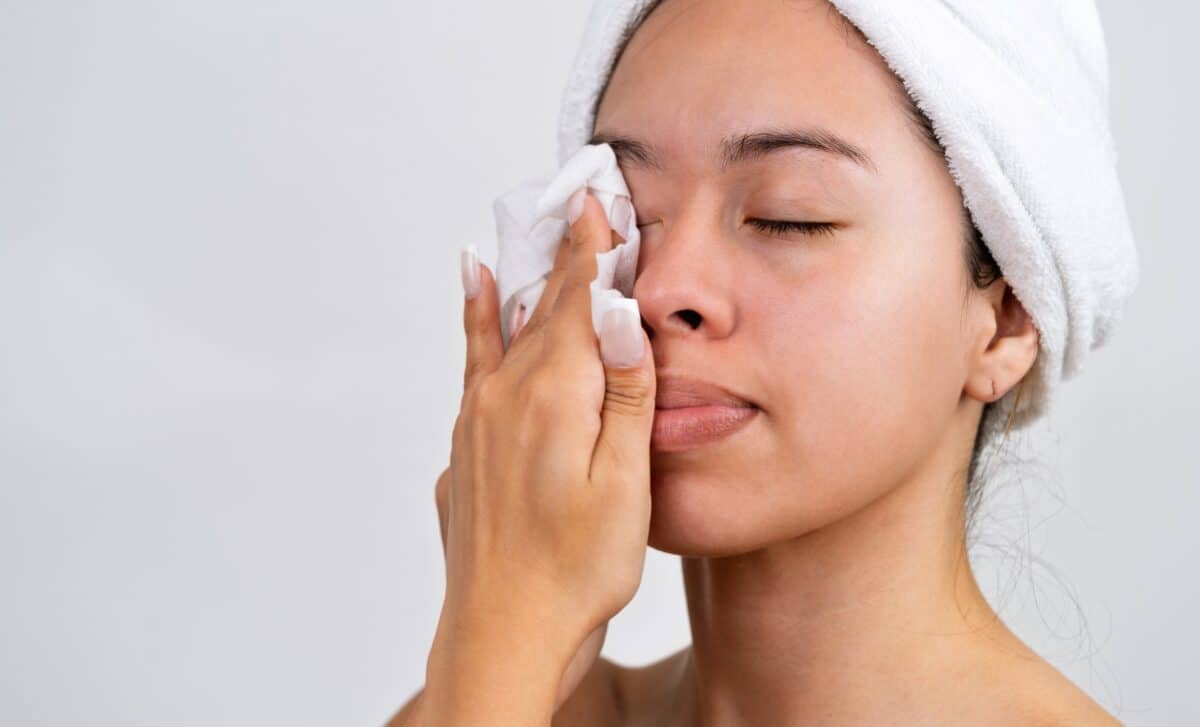
Neutrogena’s Makeup Remover Ultra-Soft Cleansing Towelettes have been recalled due to a dangerous bacteria—Pluralibacter gergoviae—found in one batch. If you use these wipes, here’s everything you need to know about whether you’re affected and what steps to take.
The Wipes Recall That’s Making Headlines
If you’ve ever used Neutrogena wipes, you know they’re a staple for many beauty routines. They’re the quick fix on nights when you’re too tired to follow your full skincare regimen. But recently, these wipes, specifically the iconic blue-pack Makeup Remover Ultra-Soft Cleansing Towelettes, have made headlines for all the wrong reasons.
Kenvue Brands LLC, the parent company of Neutrogena, issued a voluntary recall after a batch tested positive for Pluralibacter gergoviae, a bacteria that has the ability to resist preservatives used in many cosmetics, including parabens.
What’s the Risk?
You might be thinking, “Should I throw out all my wipes now?” Well, not quite. This recall only affects one specific lot—lot number 1835U6325A—and even then, it’s limited to only a few thousand packs. So before tossing everything in sight, check the lot number on your package. If it’s not the one listed, you’re in the clear.
Now, let’s talk about the bacteria. Pluralibacter gergoviae sounds ominous, but dermatologists are quick to reassure consumers. Mona Gohara, MD, an associate clinical professor of dermatology at Yale School of Medicine, explains to Yahoo Finance that this particular bacterium isn’t known to harm healthy skin. “It has low virulence, meaning it rarely causes issues for people with intact skin,” she says. The real concern arises for individuals with weakened immune systems, open wounds, or chronic skin conditions, who might be more vulnerable to infections.
Should You Be Concerned?
The good news is that unless you fall into a high-risk category, the risk of any serious skin issues is minimal. But as the recall is about cleanliness, not actual harm, it’s still a good idea to get rid of the affected wipes if you have them. The bacteria found doesn’t mean your skin is in immediate danger, but it’s a reminder that skincare products, especially wipes, need to be kept sterile.
So, if you’ve got a pack with the affected lot number, simply toss it out. If you don’t, there’s no need to worry—your skin is likely just fine. If you’ve been using wipes from this batch and notice any unusual skin irritation, it’s a good idea to consult with your dermatologist to be safe.
A Word of Caution
This incident serves as a reminder to check product labels and keep an eye on recalls, especially with beauty items that touch your skin regularly. While this bacteria isn’t something to freak out over for most people, it highlights that even products we use daily can sometimes be subject to contamination. Always stay informed and make sure your beauty essentials are safe to use.
In the grand scheme of things, the recall is limited, and most of us are unaffected. But it’s always better to be cautious. If you’ve got your trusty Neutrogena wipes and the lot number is fine, keep using them as usual. Otherwise, follow the guidelines and rest easy knowing that most of the time, this bacteria doesn’t pose a significant risk. But hey, better safe than sorry, right?