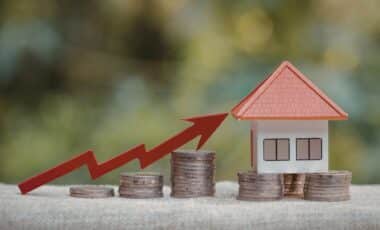
It’s the kind of prediction that makes homeowners smile and buyers groan. Fresh modelling suggests that property prices in parts of Australia could double by 2030, with the national median tipped to surge well past $1 million within just a few years.
Property Market Momentum
New figures from Suburbtrends show that by the end of the decade, many regions across Queensland, South Australia, and regional New South Wales could experience house price growth between 80 and 100 per cent.
According to the research, the national median house price — now sitting around $875,000 — could climb above $1.5 million by 2030 if current growth rates hold. In some local government areas, that means price increases of more than $600,000 over six years, reports Realestate.
Suburbs in South East Queensland stand out as the strongest performers. In the Brisbane corridor, including Ipswich, Logan, and Moreton Bay, property values are projected to rise by as much as 93 per cent. The Sunshine Coast and Gold Coast are close behind, driven by lifestyle demand and population inflows.
In South Australia, regional hubs such as Mount Barker and Gawler could record price growth exceeding 80 per cent, while in New South Wales, areas west of Sydney — including Penrith, Campbelltown, and the Central Coast — are also expected to see significant jumps.
Population Growth Meets Supply Shortage
Australia’s population is projected to reach 31 million by 2030, adding more than 1.5 million residents over the next five years. With new housing supply lagging far behind demand, the imbalance is widening.
The country currently builds around 170,000 new homes per year, well below the 240,000 annual dwellings needed to stabilise affordability. Construction slowdowns caused by labour shortages, rising costs, and planning constraints are making it harder to catch up.
This growing gap between supply and demand is expected to be the main driver of long-term price growth — particularly in outer suburbs and regional centres that continue to attract new residents priced out of capital city markets.
The Affordability Squeeze
The numbers paint a difficult picture for first-home buyers. If median prices hit $1.5 million nationally, a 20 per cent deposit would require at least $300,000 in savings — an impossible figure for most young Australians.
In contrast, homeowners and investors are likely to benefit the most. Rising equity levels could see more activity in the investment market, while renters may face even greater competition as landlords lift prices to match soaring property values.
What Lies Ahead
While the projections look strong, analysts warn that sustained growth depends on factors like interest rates, government housing incentives, and broader economic stability. If borrowing costs rise further or construction bottlenecks worsen, the market could shift sooner than expected.
Still, the trend remains clear. Across much of Australia, the next five years are shaping up to be another chapter of extraordinary growth — and for many suburbs, a period where property values could truly double.