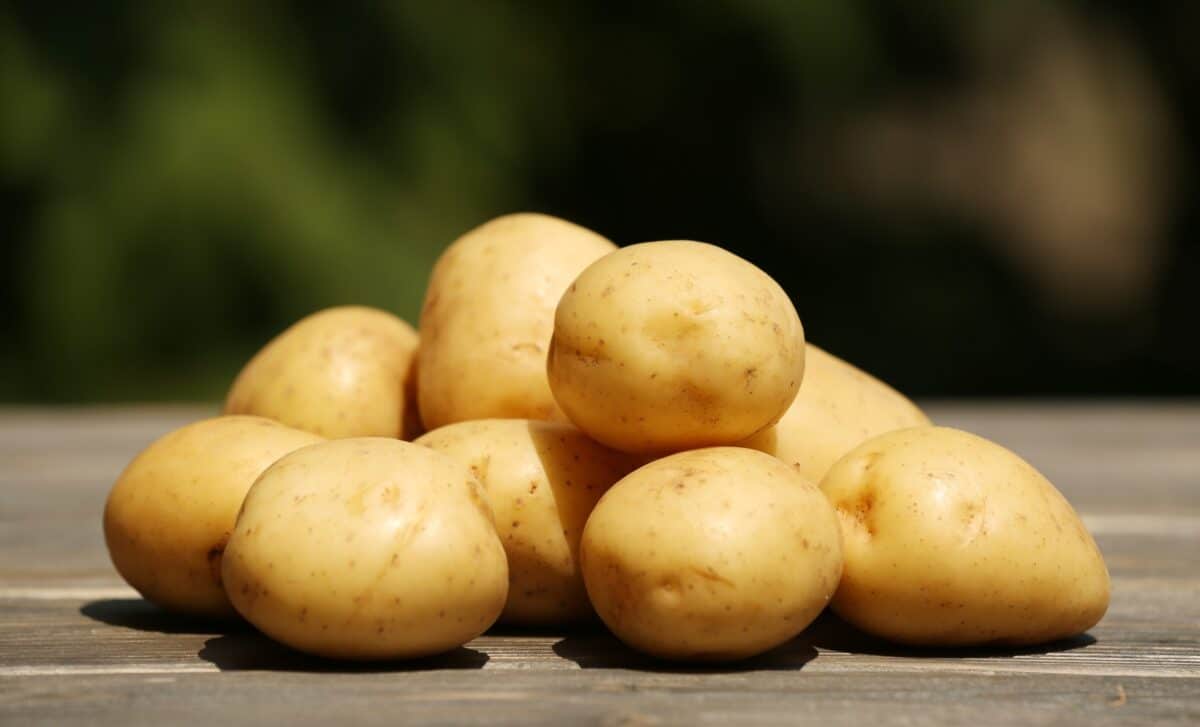
Potatoes, a staple on many Aussie dinner plates, are now in short supply. Extreme weather has caused a nationwide potato shortage, leaving shelves across Coles and Woolworths with fewer spuds than usual. What’s behind this crop crisis?
A Hot, Cold, and Wet Season Takes Its Toll
Farmers in South Australia, which produces around 80% of the nation’s potatoes, are reeling from what’s been described as one of the toughest seasons in over a decade. The weather has been unrelenting, with a hot summer followed by cold, wet, and windy conditions that have wreaked havoc on crops. It’s not just the temperature extremes; the irregular rainfall has made it worse.
Parts of South Australia saw some of the lowest rainfall on record between January and September this year, pushing potato growers to the brink. Mitolo Family Farms, one of Australia’s largest potato producers, has been struggling to manage this year’s crop. The company grows more than 200,000 tonnes of potatoes annually across regions like the Riverland and Murray Mallee, but this season’s challenges have been overwhelming.
Their Head of Marketing and Sales, Josh Tselekidis, said to 9News that it was “one of the toughest seasons” they’ve had in over 10 years. The mix of extreme heat followed by unpredictable cold weather has resulted in lower crop volumes and more defects, like cold cracking and skin staining. While some of these issues are cosmetic (the potatoes are still safe to eat), they’ve reduced the overall quality and marketable supply.
Supermarkets Struggle to Meet Demand
The weather’s toll is evident on supermarket shelves, with Coles and Woolworths both acknowledging the shortage. Notices are up in stores warning customers of reduced potato stock and changes in appearance, which is a direct result of the weather’s impact on the crops. Despite these warnings, the grocery giants are optimistic that supply will return to normal in the coming weeks, thanks to the new season’s harvest. However, Mitolo Family Farms is predicting that the shortage will persist for at least another month.
This shortage is already being felt across the country. Aussies have started noticing the price hikes and slimmer selections. From mashed potatoes to fries, these beloved items are becoming less available. And with no immediate solution, consumers are bracing for a few more weeks of reduced supply and potentially higher prices.
Why Is This Happening?
So, what’s causing all these issues? Beyond the immediate weather impacts, there’s the broader issue of climate change. As we’ve seen in recent years, extreme weather events like heatwaves, floods, and storms are becoming more frequent and more intense. Farmers are grappling with these unpredictable patterns, which makes it difficult to plan for things like crop rotation, irrigation needs, and overall yield projections. It’s a tough environment for anyone working the land.
The current potato shortage is just another example of how climate change is affecting our food systems. While potatoes may seem like a small issue in the grand scheme of things, it’s a wake-up call. If we don’t invest in more resilient farming practices and better infrastructure to cope with extreme weather, we may see more shortages like this in the future.
The Future of Potatoes
Looking ahead, there’s hope. With new harvests just around the corner, the supply is expected to pick up. However, given the unpredictability of weather patterns, it’s hard to say when things will truly stabilize. Farmers like Josh Tselekidis are doing what they can to adapt, but the road to recovery is still a few weeks out. Until then, Australians will have to make do with fewer spuds on their plates.
In the meantime, we might want to hold off on those big family potato salads, at least until the shortage clears up. It’s a small inconvenience for many, but it highlights a much larger issue—how fragile our food systems are in the face of a changing climate.