Progress is being made in narrowing Australia’s gender pay gap, but the reality is still stark: women continue to earn, on average, $28,000 less than their male counterparts. While there’s been some positive movement, especially in policies aimed at breaking down gender norms, the journey toward true pay equality remains long.
Small Improvements, Big Disparities
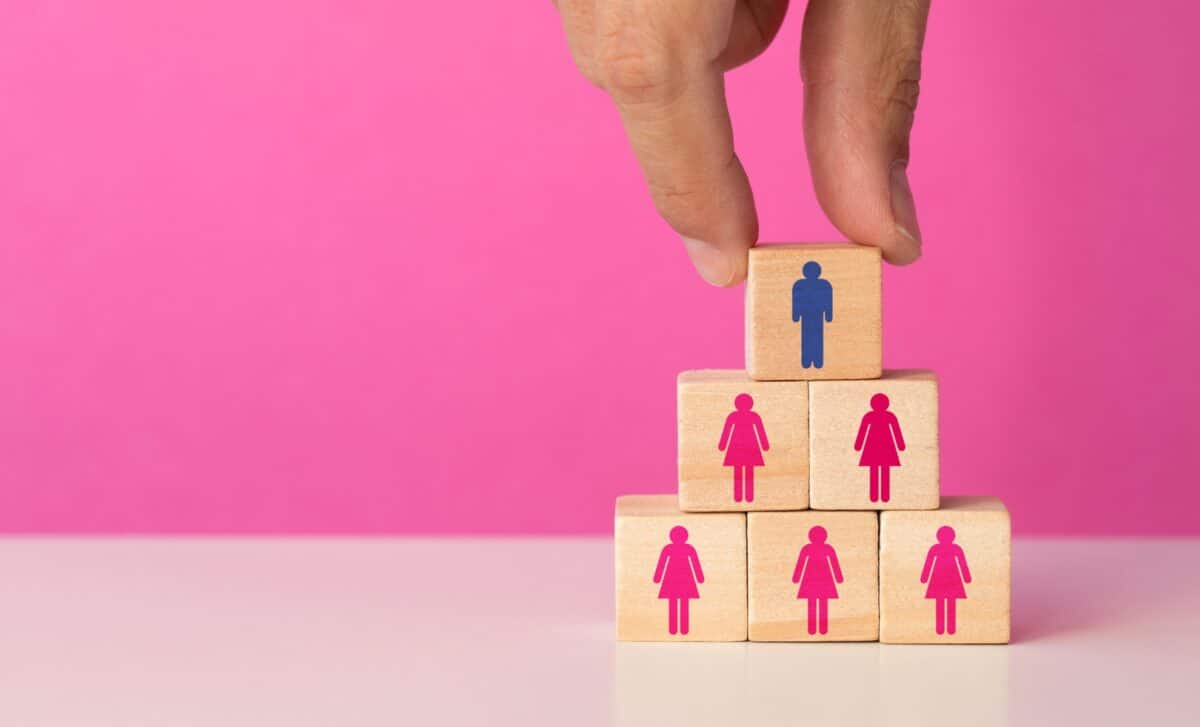
In 2025, Australia’s gender pay gap narrowed slightly, from 21.8% to 21.1%, according to the latest figures from the Workplace Gender Equality Agency (WGEA). But the gap still means that, for every dollar men earn, women only take home about 78.9 cents. This is progress, yes, but it’s far from a level playing field. One of the biggest hurdles remains the leadership space. Women are still significantly underrepresented at the top of the corporate ladder.
For example, only about one in five CEOs are women, and those who make it to the top are still facing substantial pay disparities. Female CEOs earn on average $83,493 less in base salary compared to their male counterparts. When bonuses, overtime, and other payments are factored in, that gap increases to a shocking $185,335.
While women make up a significant proportion of the workforce, they are still not being compensated equally, especially when they manage to break through into those high-paying leadership roles. But it’s not all doom and gloom: progress is happening, albeit slowly. The WGEA’s chief executive, Mary Wooldridge, has acknowledged the improvements, noting that more employers are starting to take action to address the imbalance.
What’s Behind the Gap?
So, why is the gap still so wide? One major factor is the structural issues in workplaces and industries that traditionally hold women back. The gender norms around leadership, caregiving responsibilities, and workplace culture are deeply ingrained. Women are often expected to balance careers with unpaid domestic labor, which can limit their career advancement opportunities. On top of that, men still dominate senior roles across most sectors.
Despite these challenges, Wooldridge sees the signs of change: “Employers are shifting the dial towards fairness, which is helping to close the gender pay gap,” she said to The Guardian. Policies around leadership, caregiving, and employee safety are shifting, but it’s clear more needs to be done.
Regional and Sectoral Variations
The gender pay gap varies significantly across different regions in Australia. Western Australia reports the biggest pay gap, at 28.8%, while Tasmania fares better, with a gap of just 10.6%. Interestingly, despite improvements in some areas, the gap has actually widened at the very top, with male CEOs continuing to outpace female counterparts in both salary and bonuses.
It’s also worth noting that men are now taking more parental leave, which is a step in the right direction for breaking down the gendered expectations of caregiving. However, there’s still work to be done in ensuring that both men and women have equal access to parental leave and flexible working arrangements without facing career penalties.
The Road Ahead
While the latest report shows modest improvement, the gap is still painfully wide. But, as Wooldridge pointed out, progress is happening—and at an accelerating pace. Hopefully, as more businesses embrace fairness in the workplace, that gap will continue to narrow. But until then, women will continue to face an uphill battle for equal pay and equal opportunities, especially at the top.
Ultimately, real equality will require more than just policy changes—it will require a cultural shift in how we view gender roles in leadership, caregiving, and the workforce.