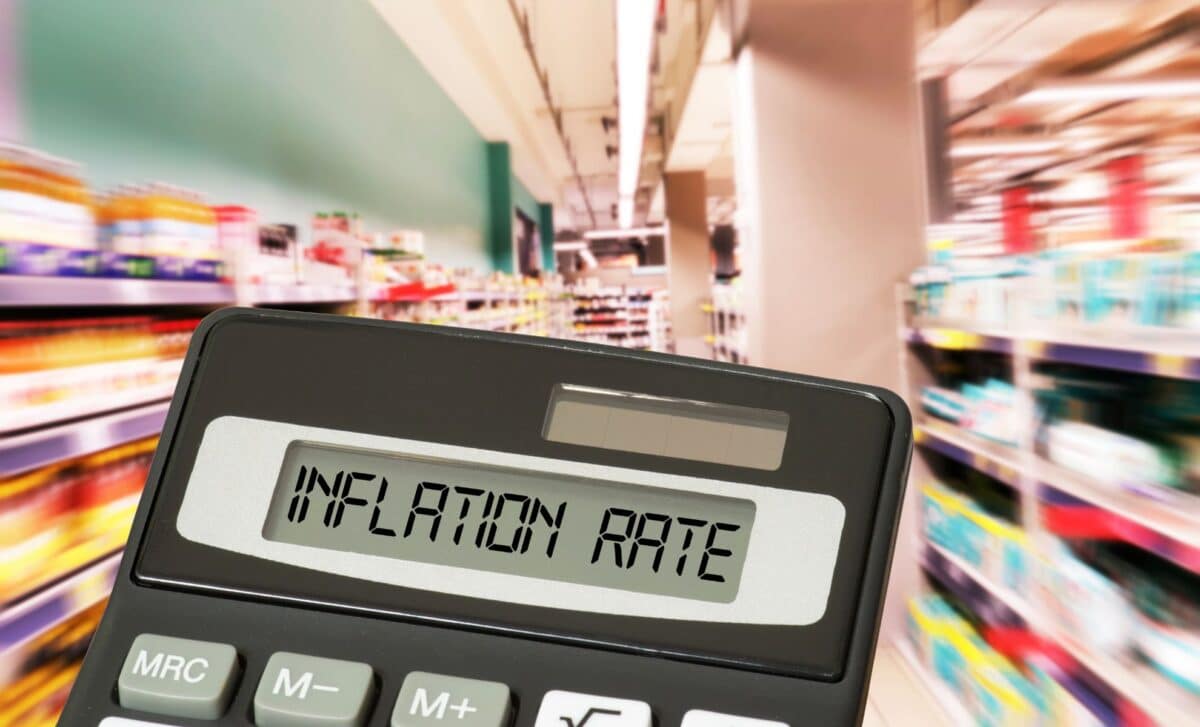
Inflation in Australia is getting out of hand, and it’s hitting where it hurts the most: the wallet. The latest figures show that Australians might have to find an extra $2,192 just to get by this year. As prices rise, it’s becoming clear that for many, the cost of living is spiraling out of control.
The Grim Reality: Inflation Hits Harder Than Expected
The latest inflation report for December 2025 is a wake-up call. The Reserve Bank of Australia’s (RBA) all-important trimmed mean inflation rate came in at 0.9% for the quarter, bringing the annual rate to 3.3%, up from 3.2% in the previous year. But it’s not just numbers on a report; it’s real money Australians are feeling. With headline inflation hitting 3.8%—including volatile items like food and fuel—the pressure on families is mounting.
According to Joel Gibson, a consumer finance expert, these increases will cost an average Australian household an additional $2,192 this year, reports Yahoo Finance. That’s not pocket change—especially for cash-strapped families already stretched thin. And it’s not just food and fuel. Rising power bills, rent, and health insurance costs are all contributing to the pinch.
The Aftermath: Rising Costs and Mortgage Pain
As if things weren’t bad enough, mortgage holders are in for even more pain. With interest rates expected to rise in February 2026, many homeowners are bracing for higher repayments. David Bassanese, chief economist at Betashares, has warned that inflation is pushing the RBA to act, and a 0.25% rate hike could be just the beginning.
If interest rates go up again in May 2026, mortgage holders will face further financial strain, potentially reducing disposable income and increasing the pressure on household budgets. The reality is, Australia’s economy is highly indebted, and any increase in rates will be felt across housing, travel, and hospitality. It’s a precarious situation for many, as the cost of living continues to rise while wages struggle to keep pace.
What’s Next for Aussie Households?
The question now is: how much more can households handle? With prices climbing in every corner of life, from groceries to rent, the strain is palpable. For many Australians, there’s no escaping the impact. As inflationary pressures continue, it’s likely that the RBA will continue raising rates in an attempt to bring inflation back under control. But with households already stretched thin, this approach may only deepen the financial divide.
As the RBA meets next week to review the latest data, Australians are watching closely. The next move could either offer some relief—or make things even worse. Either way, the outlook for 2026 looks challenging, and it’s clear that many will need to make tough decisions to weather the storm.