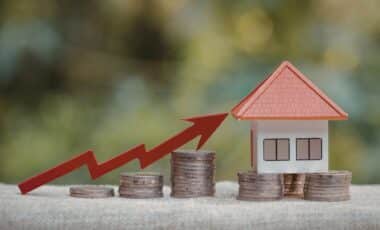

Australia’s housing market is on the verge of a historic milestone, with median house prices in capital cities set to break the $1 million mark for the first time. With the housing boom showing no signs of slowing down, homeowners, buyers, and sellers alike are bracing for a shift. So, what’s driving this surge, and what can we expect for 2026?
A $1 Million Milestone is Within Reach
Proptrack’s latest data forecasts a 6 to 8 percent rise in median capital city house prices in 2026, which will push the median price of homes above the $1 million mark. As of November 2025, the median price had already hit $979,000, a record high. If the predictions hold true, this will mark a historic achievement for Australia’s housing market.
While that sounds like a big jump, it’s not entirely unexpected. Despite the impressive rise in house prices, economists like REA Group senior economist Angus Moore say momentum is starting to moderate, reports Yahoo Finance. The combination of tight housing supply, falling interest rates, and growing demand is fueling the market. However, Moore cautions that the rapid pace of growth seen in previous cycles—like the 20 to 30 percent annual increases—won’t be repeated.
Why Are Prices Still Rising?
Despite concerns over affordability, demand remains robust. A variety of factors are contributing to the continuing upward trend. Population growth, income rises, and a recovery in borrowing capacity after 2025’s interest rate cuts are all playing a role. With more Australians seeking to enter the property market and investor activity picking up, it’s no surprise that prices are continuing their climb.
Perth and Brisbane are expected to lead the way in 2026. Perth benefits from population inflows and a tight rental market, while Brisbane, despite coming off “extraordinary growth,” is projected to keep outperforming. Meanwhile, Sydney’s price growth will be more moderate, with a predicted increase of between 5 percent and 7 percent. However, affordability issues are likely to limit the demand to outer and middle-ring suburbs.
Other Markets to Watch
Melbourne, which has seen slower growth in recent years, is forecast to recover, with a predicted 5 to 7 percent increase in property values. Adelaide, which saw remarkable price surges, is likely to see growth slow, although it remains one of the stronger performers. Hobart, on the other hand, enters a phase of consolidation, with prices still trying to recover from the highs of 2022.
The overall picture is that while the housing boom continues, it’s unlikely to match the incredible highs of the past. The current conditions are expected to temper the pace of growth, with affordability constraints becoming an increasing challenge for many Australians.
The Future of Housing in Australia
As we look ahead, the big question is how long the growth can last and whether the $1 million median price will be a sustainable milestone. With factors like higher borrowing costs and stretched affordability, it’s hard to predict exactly how the market will evolve in 2026 and beyond. However, one thing is certain—whether you’re buying, selling, or just observing, Australia’s housing market will remain one to watch.