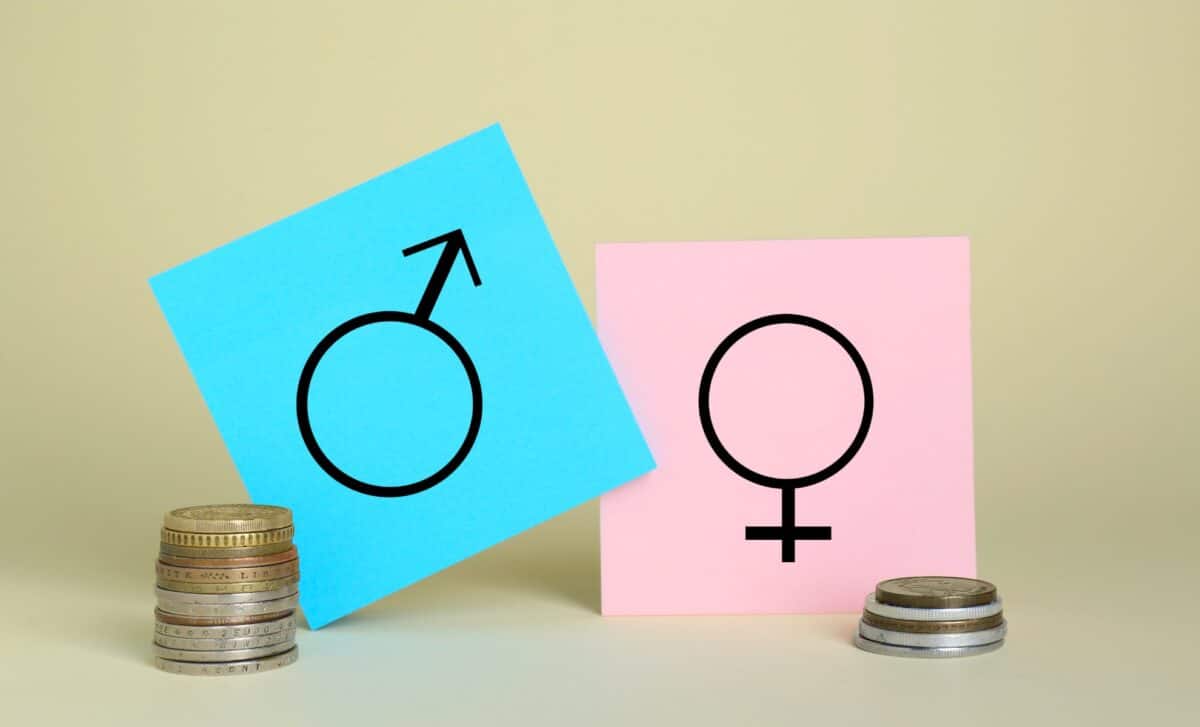
It’s 2026, and you’d think we’d be closer to closing the gender pay gap in Australia, right? After all, we’ve been talking about it for years. Yet, as new reports show, some of the country’s biggest employers are still lagging behind. It’s a conversation that feels like it’s been going on forever, but the numbers aren’t budging as quickly as we’d like.
Qantas: A Major Setback for Gender Equality
According to the latest findings from the Workplace Gender Equality Agency (WGEA), gender inequality in pay is still alive and well, with some industries actually seeing the gap widen. Despite the efforts made by many companies to promote gender equality, the struggle for equal pay continues to be a significant issue. In fact, a few big names like Qantas and BHP are showing troubling trends, even as smaller improvements are noted elsewhere.
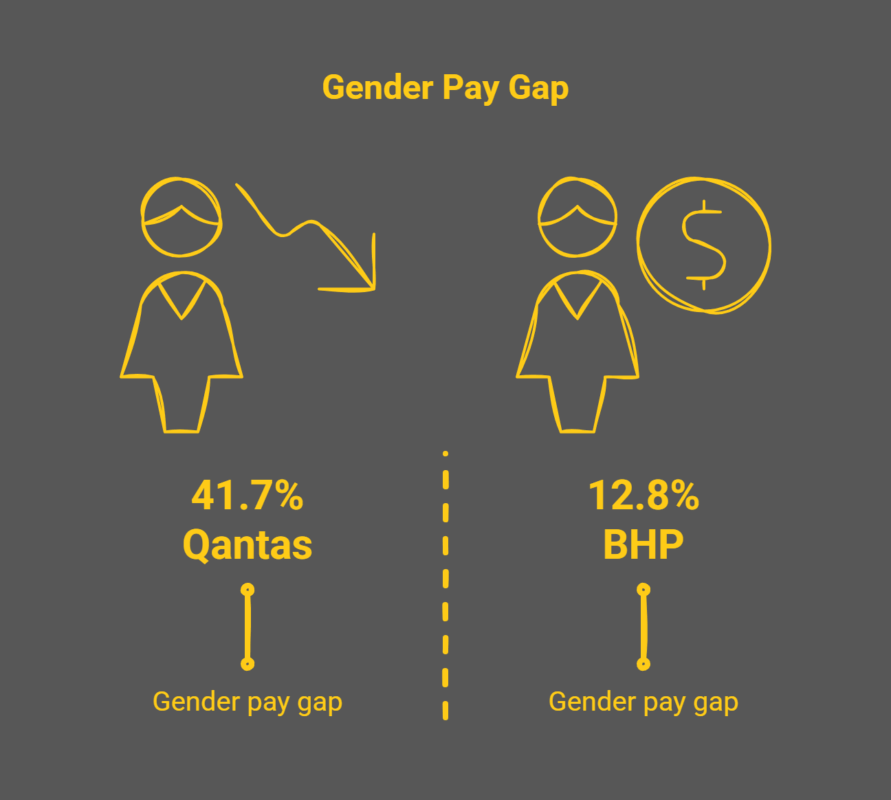
Take Qantas, for instance. While women make up almost half of the airline’s workforce, the gender pay gap is a staggering 41.7%. Let that sink in. The gap actually widened by 0.5% from last year. What’s even more concerning is that women hold just one in seven high-paying roles, while men dominate the top salary spots. It’s not surprising, given that the average pay for women in low-paying roles at Qantas is $79,000, while men in high-paying positions make an average of $343,000. The numbers don’t lie, and unfortunately, they tell a story that’s all too familiar.
BHP and the Persistent Gap in Mining
But Qantas isn’t alone. Mining giant BHP, known for its high salaries, saw its pay gap increase by 1.6%, from 11.2% to 12.8%. The company might be paying its employees an average of $201,000, which is well above the Australian average, but women only make up a quarter of the highest earners. Meanwhile, they dominate the low-income roles, where pay is nowhere near as high.
On the flip side, the banking sector has seen some slow progress. The big four—Commonwealth Bank, NAB, ANZ, and Macquarie Group—have all made modest improvements, narrowing their gender pay gaps by up to 1%. Sure, it’s a step in the right direction, but when you compare it to the high salaries that continue to be dominated by men, it feels like we’re still miles away from real equality.
The Pay Gap Drivers: Bonuses and Overtime
One of the major drivers of these discrepancies? Discretionary payments like bonuses and overtime, which are often skewed in favor of men. And while some companies, like pathology provider Healius Ltd, have seen improvements (its gender pay gap dropped by 13.3% in one year), the road to full equality is still a long one.
It’s clear that while progress is being made, it’s often slow and inconsistent. The gender pay gap is stubborn, but if companies continue to treat equality as just another checkbox, we’ll probably be having this same conversation for years to come. It’s time for employers to step up their game—not just with nice words, but with real action that holds them accountable.