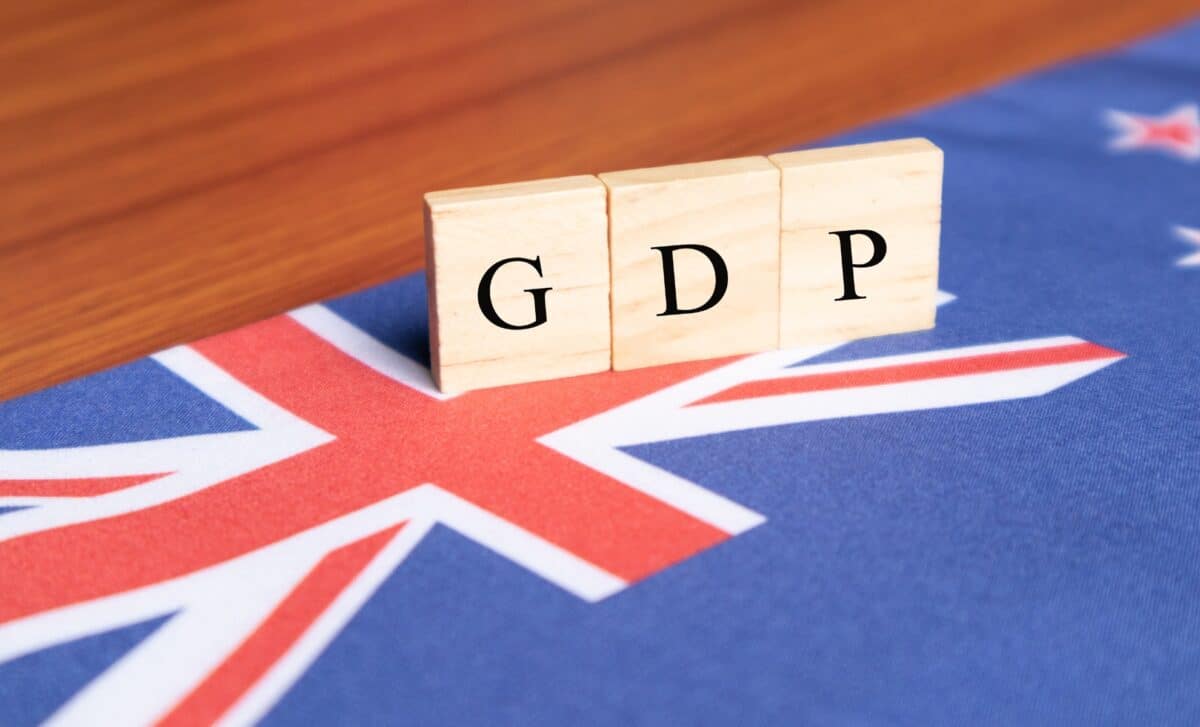
Australia’s economy is facing a tough, yet steady, road ahead. With GDP growth expected to hit just 0.4% in the December quarter, it’s clear that the nation’s economic momentum is slowing. While some positive signals exist, the overall outlook remains cautious, leaving many to wonder: Can Australia regain its footing, or is this the beginning of a longer slump?
GDP Growth: A Modest 0.4% in the December Quarter
In the September quarter, Australia’s economy grew by just 0.4%, falling short of expectations despite solid private demand. This modest growth was undercut by a few major challenges: inventory drawdowns, lackluster labor productivity, and rising unit labor costs, all of which put a dent in economic momentum.
The story isn’t entirely negative, though—private demand did contribute a solid 0.8 percentage points to overall growth, signaling resilience in household spending. But with net exports being a slight drag and a 0.5 percentage point loss from inventories, the numbers don’t paint a picture of robust recovery.
What to Expect in the December Quarter?
The outlook for the December quarter isn’t much more promising, with GDP growth forecast to hold steady at 0.4%. The year-end growth figure is expected to ease down to 1.9%, compared to 2.1% in the previous quarter, reports fibre2fashion. The slowdown is partly due to inventory issues—companies have been relying on stock drawdowns instead of ramping up new production.
If this trend continues, the forecasted growth for December might end up being a bit too optimistic, though there’s a chance that private demand could surprise on the upside.
Inflationary Pressures and High Labor Costs
What’s also weighing heavily on Australia’s economic outlook is the persistent inflationary pressure. Labor costs remain high, with unit labor costs increasing by 5.4% year-on-year—far above the levels the Reserve Bank of Australia would prefer. This high cost of labor coupled with stagnant productivity means inflationary forces remain strong, and it’s clear the economy isn’t entirely in the clear yet.
On a more personal level, consumer sentiment has taken a hit. In December, the Westpac-Melbourne Institute Consumer Sentiment Index dropped by 9%. It’s not the end of the world—consumer sentiment is still higher than a year ago—but it’s not great either. Yet, despite this dip in sentiment, household spending hasn’t entirely collapsed. October saw a 1.3% increase in spending, with a particularly strong rebound in discretionary spending.
A Glimmer of Hope? Future Growth Predictions
Despite the near-term challenges, there’s some hope on the horizon. The Westpac-Melbourne Institute Leading Index hints that Australia might experience above-trend growth within the next three to nine months. The catch? It depends on whether private demand can keep up and if inventories won’t cause another setback.
So, Australia’s economy isn’t in crisis—but it’s definitely not cruising either. There’s a careful balance of optimism and caution as the year draws to a close, and everyone will be watching to see if the country can break free from this slow growth rut in 2026.