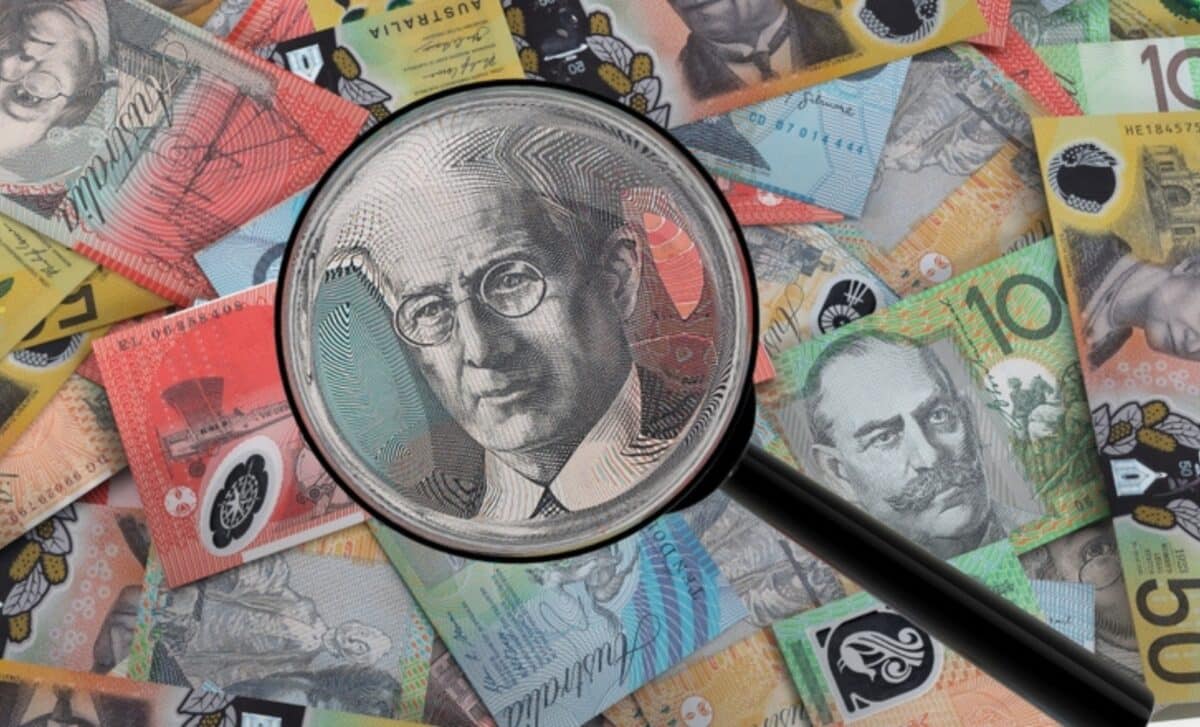
Australia’s economy is at a crossroads, and the direction it takes will affect everything from your pay packet to your mortgage. The question is, are we looking at a future of strong growth, or are we about to hit a wall? With signs of growth, particularly in private investment, the outlook seems promising. But economists are divided, and that uncertainty will likely determine the Reserve Bank of Australia’s next move on interest rates.
Optimism in Private Investment Growth
There’s some reason to be optimistic. Treasurer Jim Chalmers recently pointed to the strongest growth in private investment Australia has seen in nearly five years. That’s a significant win, especially given the uncertainty of the global economy. Investment in key sectors like infrastructure and technology could be the fuel the economy needs to keep moving forward. It suggests that, at least in some parts of the economy, businesses are confident enough to take risks and invest in future growth.
However, it’s not all smooth sailing. The flip side of this investment growth is that it could indicate we’re entering a more volatile phase. As the economy grows, inflationary pressures could also rise. That means prices at the supermarket might increase, and the cost of living could be even more challenging for Australian families. It’s a delicate balance that policymakers are trying to manage.
The Reserve Bank’s Dilemma
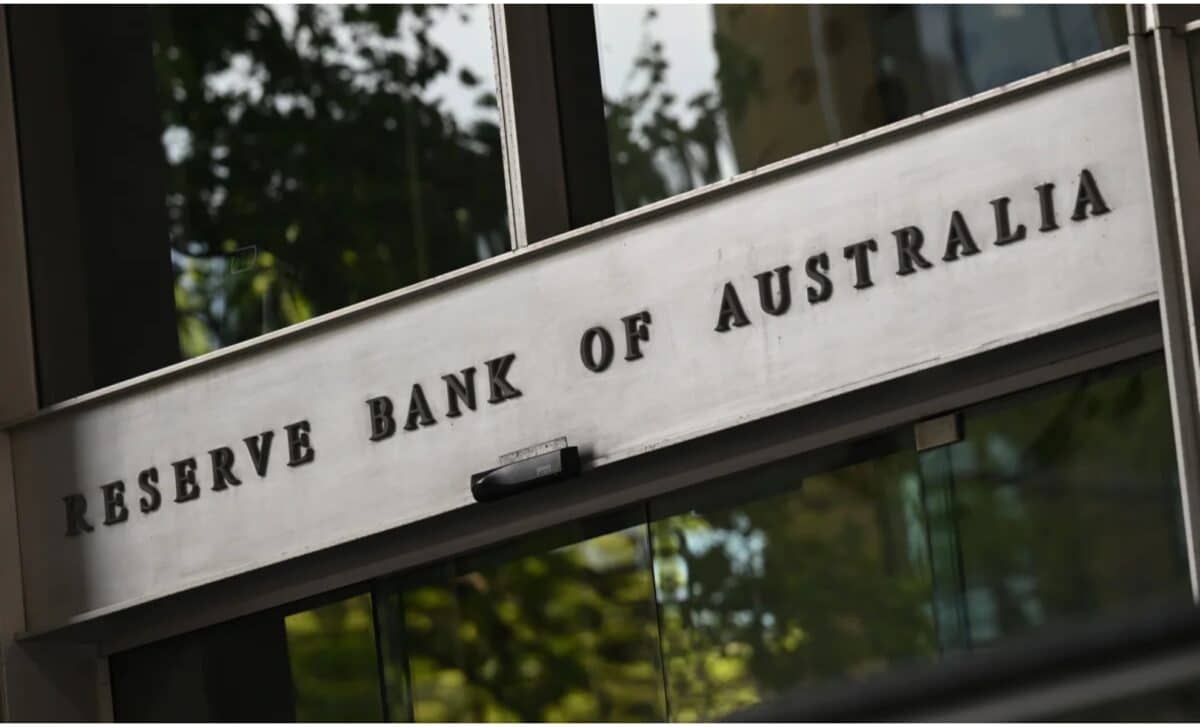
This is where the Reserve Bank of Australia (RBA) comes into play. As the country’s central bank, it’s tasked with controlling inflation and stabilizing the economy. If the economy is firing on all cylinders, the RBA might consider raising interest rates to keep inflation in check. But if the economy is showing signs of weakness, they could hold off or even lower rates to stimulate growth.
The RBA’s decision won’t be made in a vacuum. It’s going to be shaped by a mix of factors, including private investment trends, consumer spending, and global economic conditions. If the RBA raises rates, Australians could feel it in their wallets, particularly those with mortgages or large amounts of debt. On the other hand, keeping rates low could risk letting inflation spiral out of control, making everyday goods and services even more expensive.
Is the Economy Really Growing?
There are some who are more cautious, though. While the growth in private investment is a good sign, some economists argue it’s not enough to pull Australia out of its current challenges, reports AFR. Wage growth has been sluggish, and household debt is at record highs. For many Australians, this means the economy still feels like it’s barely keeping its head above water.
So, is the Australian economy truly firing up? Or are we about to hit a wall? The answer might lie in the next few months. If the private investment growth continues and starts translating into broader economic benefits, we could be looking at a period of solid growth. But if inflation and debt continue to rise unchecked, the economy could face a tough road ahead.
What Comes Next?
As we move into 2026, Australians will get a clearer picture of which direction the economy is heading. Will the RBA take a more aggressive approach to interest rates, or will it continue to play things cautiously? Whatever happens, it’s clear that the decisions made over the next few months will shape the future of the Australian economy—and the lives of everyday Australians.