Australia’s climate ambitions are slipping further out of reach. Despite bold promises and billions poured into renewables, new research shows the nation could miss its net zero target by up to ten years — a worrying sign for a country that should be leading the clean energy race.
Falling Behind on Climate Promises
The latest findings from Net Zero Australia, a joint initiative between the University of Melbourne, University of Queensland, and Princeton University, suggest Australia is on track to reach net zero around 2060, not 2050. Even that may be optimistic.
The report says that under current policies, the pipeline of renewable energy projects would need to almost double for Australia to stay on target. At the moment, it’s simply not happening fast enough.
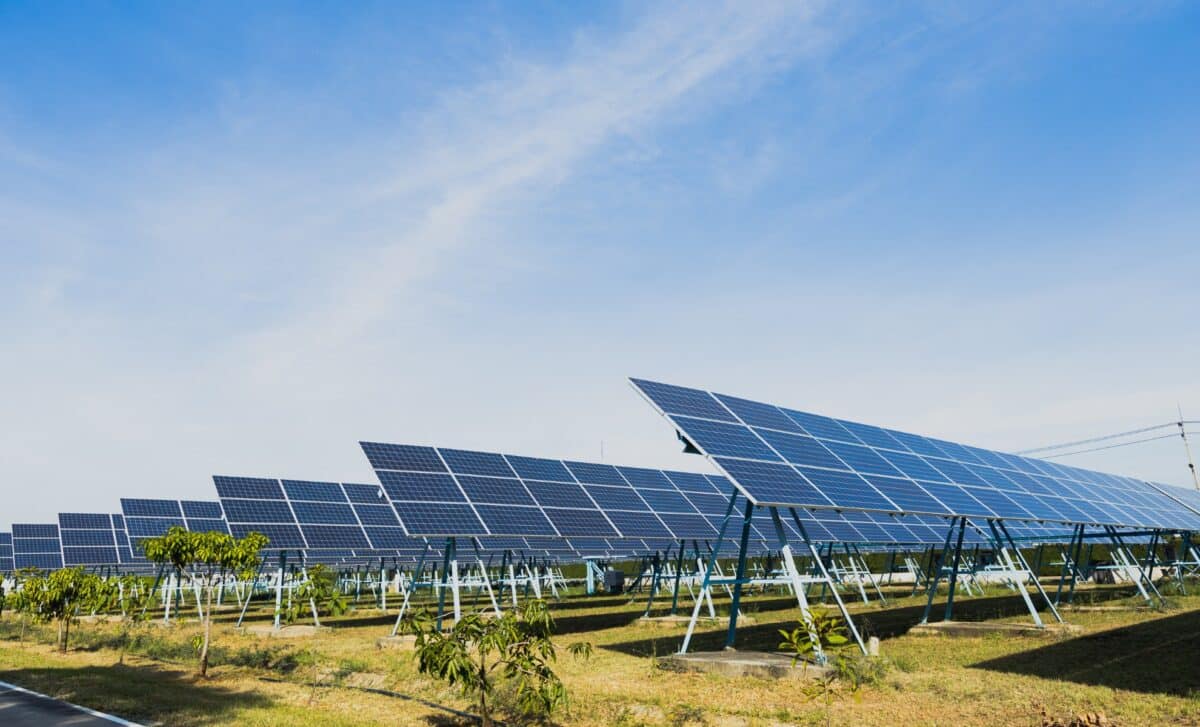
Much of the delay comes from planning bottlenecks, slow grid connections, and rising costs that have pushed project timelines out by years. In fact, some large-scale wind farms are now taking close to a decade to build, while solar farms take about five years.
It’s not just about technology — it’s bureaucracy, too. Developers face layers of environmental approvals and red tape that discourage investment, explains Sky News.
The Cost of Falling Short
The government’s goal is to cut emissions by 62 to 70 per cent below 2005 levels by 2035, but experts say that won’t be achievable without faster progress on renewable infrastructure. The Australian Energy Market Operator (AEMO) has already warned that delaying new projects could affect energy reliability and push up prices.
With coal-fired power stations ageing fast, the need to bring renewables online is becoming urgent. If those coal plants have to stay operational longer than planned, emissions will continue to climb — the exact opposite of what Australia needs.
And while the Albanese government remains committed to the 2050 goal, the Coalition has since walked away from net zero, promising instead to focus on affordability and reliability. That political divide has left the country without a unified path forward.
A Price Paid by Households and Businesses
Higher energy costs are already being felt across the country. Businesses warn that ballooning prices and unstable supply could hurt manufacturing and regional jobs, while households are seeing the effects on their electricity bills.
The Net Zero Australia report also notes that the country’s biggest source of emission reductions so far — land use and forestry — will become less effective over time. In other words, even the strategies that have worked until now are losing steam.
Time Is Running Out
If nothing changes, experts predict Australia might not achieve net zero until 2065. By then, nations like the US, UK, and those in the EU will have already crossed the finish line. It’s a frustrating irony for a country with vast solar resources, open land, and world-class expertise. The potential is there — but the follow-through is missing.
Momentum is building, says AEMO chief Daniel Westerman, but it’s not happening “at the pace required.” Without faster decision-making and long-term investment certainty, Australia risks watching the global clean energy race from the sidelines.
The next few years will be critical. The world won’t wait, and neither will the climate.