
A recent study has revealed that millions of Australians are facing what is known as hygiene poverty, a situation where individuals cannot afford essential hygiene products such as soap, toothpaste, and deodorant. According to research cited by SBS News, this growing issue underscores the financial strain many people are experiencing in securing basic hygiene products.
The findings shed light on a concerning trend affecting a significant portion of the population, highlighting the increasing difficulty many face in meeting their most basic needs. Hygiene poverty not only affects physical health but can also lead to negative emotional and social consequences.
The Impact of Hygiene Poverty on Australians
According to research conducted by Good360 Australia, about one in eight Australians recently skipped purchasing essential hygiene or cleaning products to prioritize other necessary expenses. The study suggests that hygiene poverty is not just about affordability but also the toll it takes on individuals’ health and well-being.
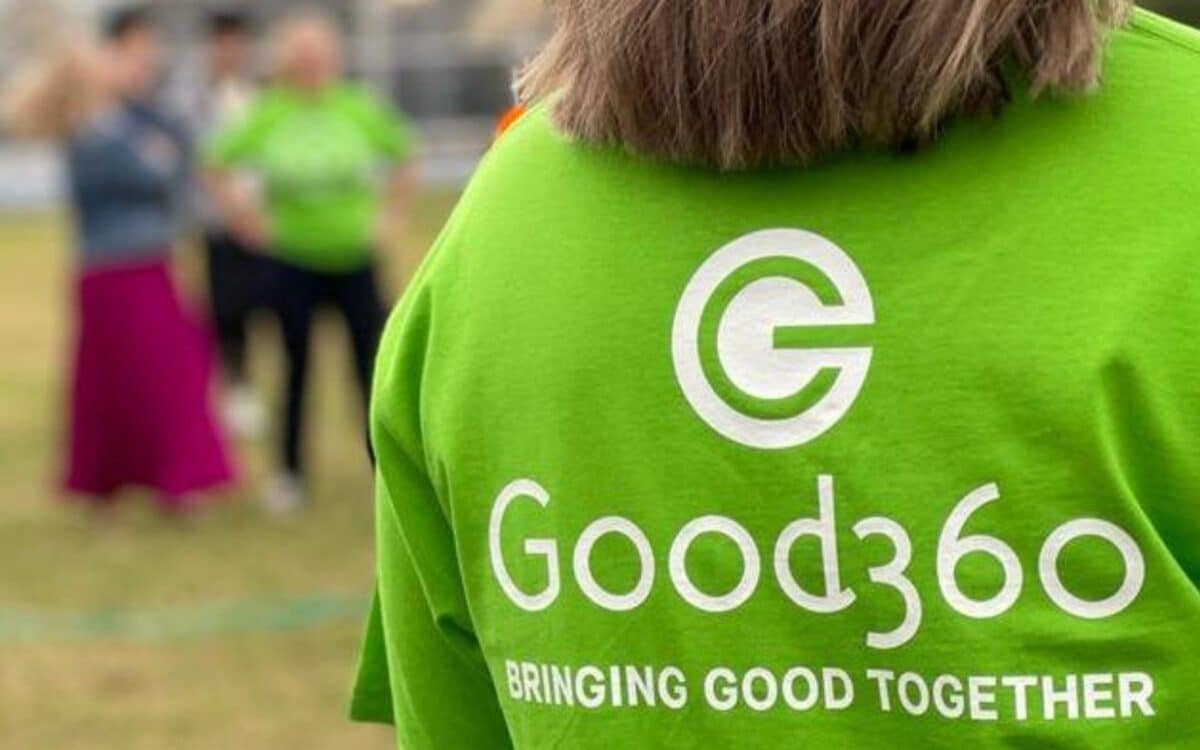
It can lead to feelings of shame, low self-esteem, and mental distress. As Alison Covington, managing director of Good360 Australia, shared,
Our research has uncovered the heartbreaking reality that millions of Australians are struggling to afford everyday basics.
What Causes Hygiene Poverty?
Hygiene poverty occurs when people cannot afford everyday products that are crucial for maintaining personal hygiene and health, including soap, shampoo, toothpaste, deodorant, and feminine hygiene products. For many, the inability to afford these basic hygiene products can result in them avoiding social activities, work, or school, further compounding the isolation and emotional distress caused by their situation. As Covington stated,
Hygiene poverty can cause feelings of low self-esteem, embarrassment and shame, and make it difficult for people to maintain their health. It takes a devastating toll on people’s mental and physical well-being.
Who is Most Affected?
The issue of hygiene poverty is disproportionately affecting women and young people. Nearly one-third of young individuals and 21% of women are concerned about affording essential hygiene and cleaning products, compared to only 16% of men. This disparity underscores the greater vulnerability of these groups in managing day-to-day expenses while maintaining personal health. Additionally, the study found that one in seven respondents had struggled to afford cleaning products in the last six months, and 12% of people were experiencing hygiene poverty for the first time. Furthermore, 19% expressed concern that they would soon be unable to afford hygiene or cleaning products.
A Community Effort to Address the Crisis
Charities and local organizations, such as Liverpool Women’s Health Centre in Sydney, have seen a significant rise in demand for basic hygiene products. The center helps over 5,000 women annually, ensuring they receive essential items like soap, deodorant, and feminine hygiene products. CEO Kate Meyer shared the disheartening reality that many individuals who wouldn’t typically struggle to afford such items now depend on charitable donations for their basic needs.
Every day, women that you wouldn’t necessarily expect to need a deodorant or a packet of soap are taking it – Meyer said.
She also described an elderly client who was “over the moon with gratitude” when she received incontinence products, emphasizing the need for dignity in accessing these basic hygiene products.
That’s horrifying for us because these are things that she needs for her everyday living – Meyer added.
They shouldn’t be something that gives her such joy. They should be things that she’s able to get in her groceries every week.
As part of a solution, Good360 is working to channel unsold consumer goods, including hygiene products, to charities and disadvantaged schools, thus reducing waste and providing vital supplies to those in need.
However, it remains clear that the scale of hygiene poverty in Australia requires more comprehensive and systemic solutions.