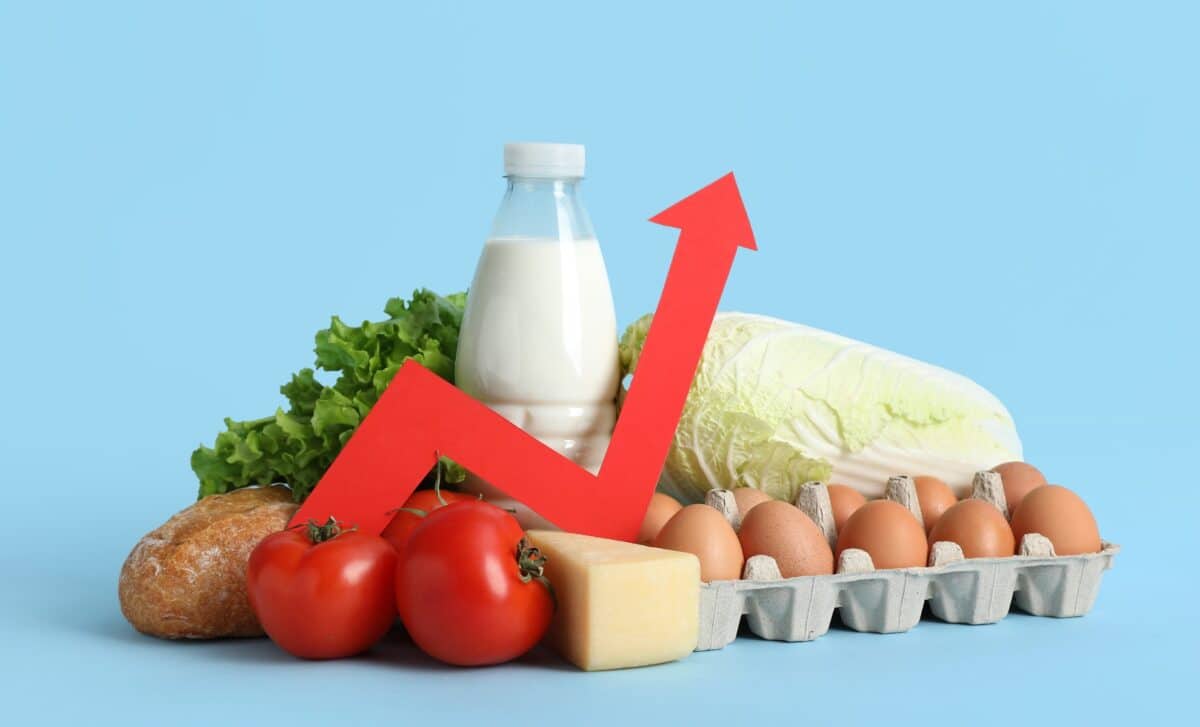
A prolonged conflict in the Middle East could add up to 5% to consumer prices in Australia, with fuel costs driving up everyday goods. However, Australia’s energy exports, particularly natural gas, offer some protection. Despite this, inflation and economic strain are still on the horizon.
Two Possible Scenarios: Moderate or Severe?
Researchers have looked at two potential outcomes, considering how long the conflict could drag on. If it ends by mid-April and oil prices stabilize at around US$90–$100 per barrel, the inflationary impact could be limited to 0.6%. This would mean minimal effects on the Australian economy, with GDP declining only slightly by 0.02%.
However, the worst-case scenario could see inflation rise 5.1% and GDP contract by 0.16% if the conflict continues into September. Under this scenario, everything from food to steel would become significantly more expensive as global energy prices push up costs across industries, explains The Conversation.
The Energy Sector: A Lifeline in a Sea of Economic Trouble
Despite the gloomy projections, Australia’s energy sector provides some hope. As a major exporter of natural gas, Australia benefits from stronger terms of trade. While rising oil prices could help boost the energy sector, it’s not necessarily a relief for households. The increased revenues from energy exports may not translate into lower prices for consumers. Instead, the average Australian will continue to feel the pressure on their grocery bills, fuel costs, and daily expenses.
Industry-Specific Impacts
Rising fuel costs and global supply chain disruptions will have a ripple effect on various industries. Energy-intensive sectors like steel production and chemical manufacturing will be hit hardest. For instance, food production could see 7.6% reductions in meat and livestock output. Additionally, processed food production could shrink by 4.4%, leading to even higher food prices.
Australia Fares Better Than Its Neighbors
Despite the challenges, Australia may weather this storm better than other countries. Nations like Singapore, South Korea, and Thailand, which rely heavily on imported oil, will face much steeper economic declines. Australia, with its energy exports, has a better cushion against the global disruptions. However, the country’s reliance on just two refineries and external oil supplies could still leave it vulnerable.
The Path Forward: A Delicate Balance
The Australian government faces tough decisions ahead. The balance between providing relief to households and preventing further inflation is delicate. While broad measures like fuel excise cuts are tempting, they risk exacerbating inflation. Instead, means-tested support for vulnerable groups may be a better option. Moreover, investing in renewable energy can help reduce Australia’s long-term dependence on oil imports and offer more stability in the future.
While a prolonged conflict in the Middle East is likely to lead to higher prices in Australia, the energy sector offers a layer of protection. However, Australians will need to prepare for the economic strain, as inflation continues to rise and interest rates are expected to follow.