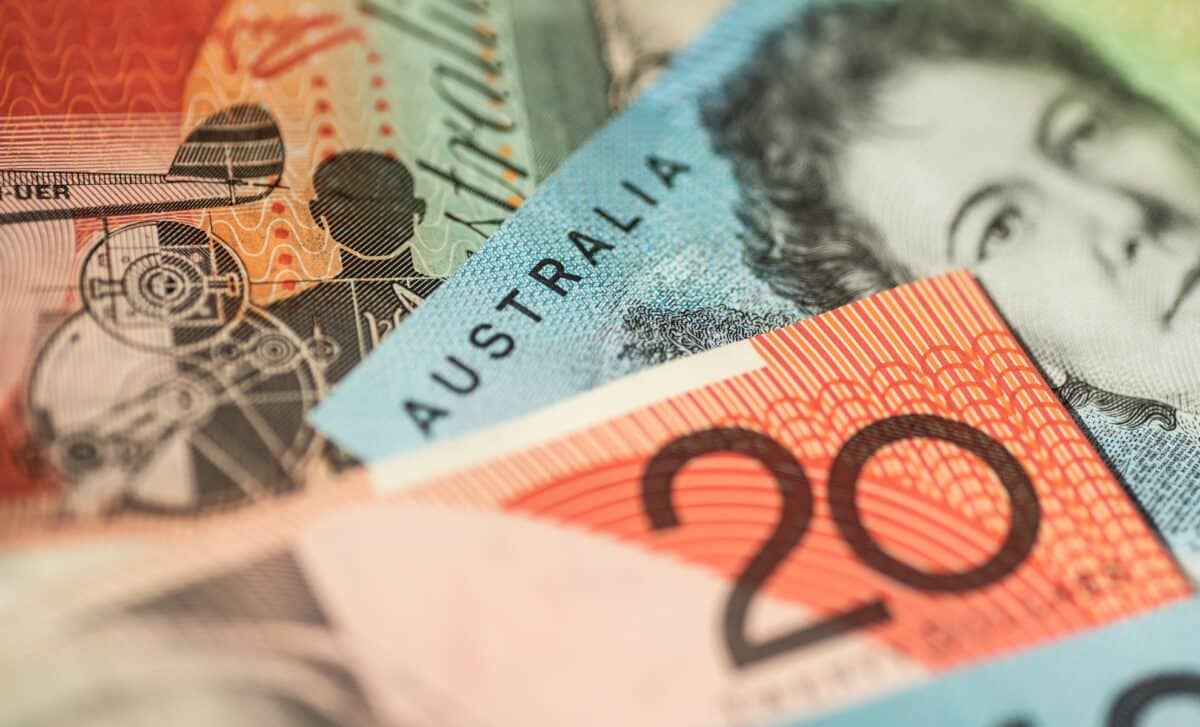
The Australian Dollar (AUD) is currently facing a tough time, sinking against its major currency counterparts. From geopolitical tensions to concerns about global economic growth, the Aussie is under pressure, and it doesn’t look like things are going to improve anytime soon.
Geopolitical Tensions Weigh on the Australian Dollar
One of the key factors contributing to the fall of the Australian dollar is the ongoing trade conflict between the United States and China. With the world’s two largest economies locked in an economic showdown, the ripple effects are being felt far beyond their borders. For Australia, which is heavily reliant on exports like iron ore to China, any negative developments in U.S.-China relations are a direct blow to the Aussie.
Tensions flared recently when the U.S. accused China of implementing export restrictions on rare earth minerals—vital for tech industries worldwide. In retaliation, China imposed curbs on several U.S. entities. This tit-for-tat only fuels fears of a prolonged economic slowdown, which could hurt global demand for Australian exports. As a result, the Australian dollar is caught in the crossfire, weakening as these tensions escalate.
Slowing Global Growth: A Worrying Trend for the AUD
But the U.S.-China trade war isn’t the only cloud hanging over the Australian dollar. There are growing fears of a global economic slowdown, and that’s pushing the Aussie even lower, reports Fxstreet. Australia’s biggest export earner, iron ore, is especially vulnerable to these concerns. With iron ore prices dipping and demand from China fluctuating, the economic outlook for Australia doesn’t look promising.
The uncertainty surrounding global growth, exacerbated by the U.S. government shutdown, has led to a broad sell-off in commodities, further dragging down the Australian dollar. And it’s not just iron ore. The general market sentiment is souring. Investors are looking for safer havens, and the AUD, with its risk-sensitive nature, is taking the brunt of it. As fears mount over an economic slowdown, the Australian dollar continues to slide, reflecting the unease in financial markets.
What’s Next for the Aussie?
The future of the Australian dollar remains uncertain. On one hand, the Reserve Bank of Australia (RBA) is trying to steer the ship by keeping interest rates at relatively low levels, hoping to boost spending and investment. On the other hand, there’s only so much the RBA can do when global factors are at play.
The immediate outlook for the AUD depends largely on how global trade dynamics unfold. If tensions between the U.S. and China escalate further, or if global economic growth continues to falter, the Australian dollar could see even more losses in the coming months. For now, the downward pressure seems unlikely to ease soon.
The Silver Lining?
Could the Australian dollar turn a corner? Perhaps. If global trade tensions de-escalate and markets start to calm down, there could be some relief for the AUD. In the meantime, however, the Australian dollar is likely to stay on the back foot, with market sentiment swinging between fear and uncertainty.
As the global economy continues to shift and change, the fall of the Australian dollar serves as a reminder of just how interconnected today’s financial world really is. With the Aussie caught in the middle of economic and geopolitical strife, it might take more than just a policy change from the RBA to reverse its downward trajectory.