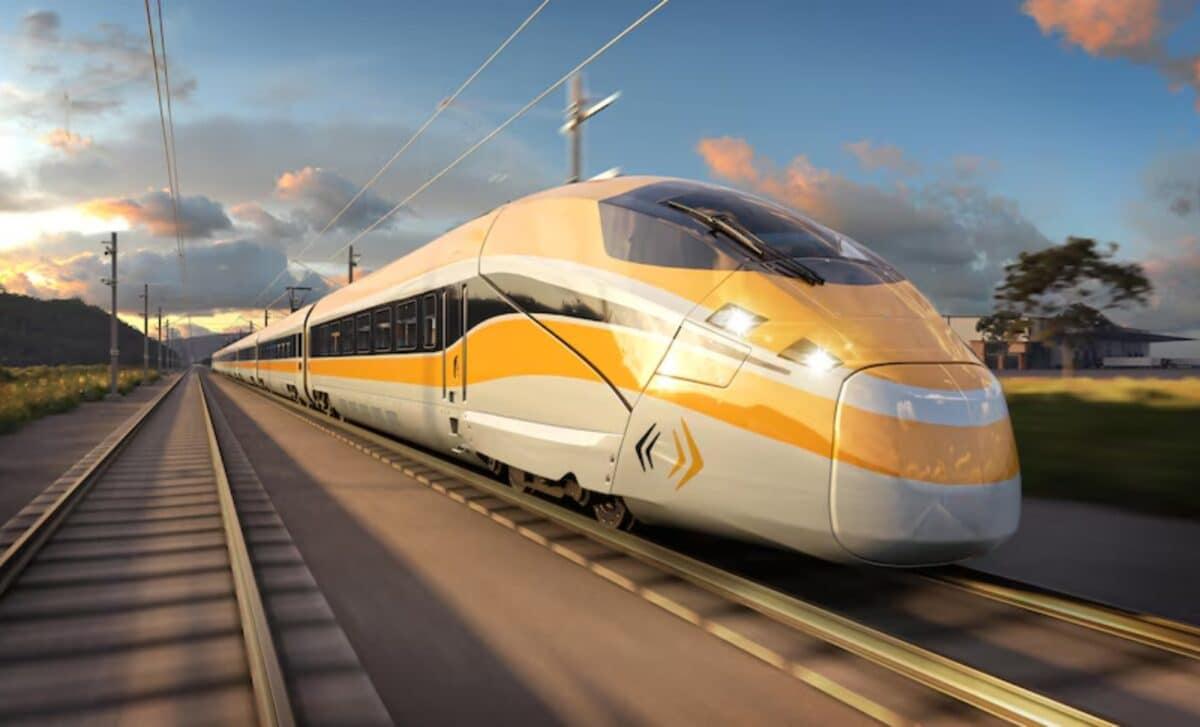
For years, Australians have dreamt of high-speed trains zipping between the major east coast cities, and now, it looks like that dream might become a reality. Prime Minister Anthony Albanese has teased a major announcement about a high-speed rail network connecting Sydney, Melbourne, Canberra, and more. While details are still under wraps, he’s already calling it a game-changer for travel in Australia.
Why the High-Speed Rail Makes Sense
Albanese is all in on the idea of high-speed rail, calling it an obvious move for a country like Australia. “It absolutely makes sense,” he said to ABC News, highlighting the fact that Australia is the only inhabited continent without high-speed rail. It’s a big statement, but it’s one that holds water when you think about the vast distances between our major cities and the limited transportation options currently available.
The rail line would connect the most heavily populated areas along Australia’s east coast, and while it might not be available during his time in office, Albanese seems determined to make it happen during the coming years. The first stretch of the line could connect Newcastle to Sydney, and if the plans go as expected, it could start construction by 2027, with the project completed by 2042, reports 9News. That’s a long timeline, but hey, major infrastructure projects are known to take time!
What’s at Stake for the Housing Market?
One of the most significant benefits of this high-speed rail project is the economic development it could drive. We’re talking new housing opportunities, jobs, and better connections between cities. Imagine being able to work in Melbourne but live in Canberra—saving time and money on travel, all while reducing congestion in our cities.
However, there are some voices of caution. Experts, including think tanks like the Grattan Institute, have raised questions about whether this type of investment makes sense, especially given Australia’s sprawling geography and population density. Many of the arguments against it suggest that a high-speed rail network could be too costly and challenging to implement in the short-term. The criticism mostly centers around the feasibility of funding such a massive project, especially given the current economic climate.
The Long-Term Vision
The government has already established the High-Speed Rail Authority to move this project forward, and though it’s a slow process, the groundwork is being laid. If successful, this could reshape how Australians travel, opening up new avenues for economic growth and creating a more connected country. But with so many hurdles still in the way, it’s going to take time, patience, and perhaps a little bit of good fortune for the high-speed rail dream to become a reality.
Albanese’s high-speed rail vision might sound like it’s still in the distant future, but it’s one of those projects that could have profound effects on the way Australians live, work, and travel. Whether it’s a game-changer or a pipe dream remains to be seen, but either way, it’s a conversation that will be hard to ignore.