
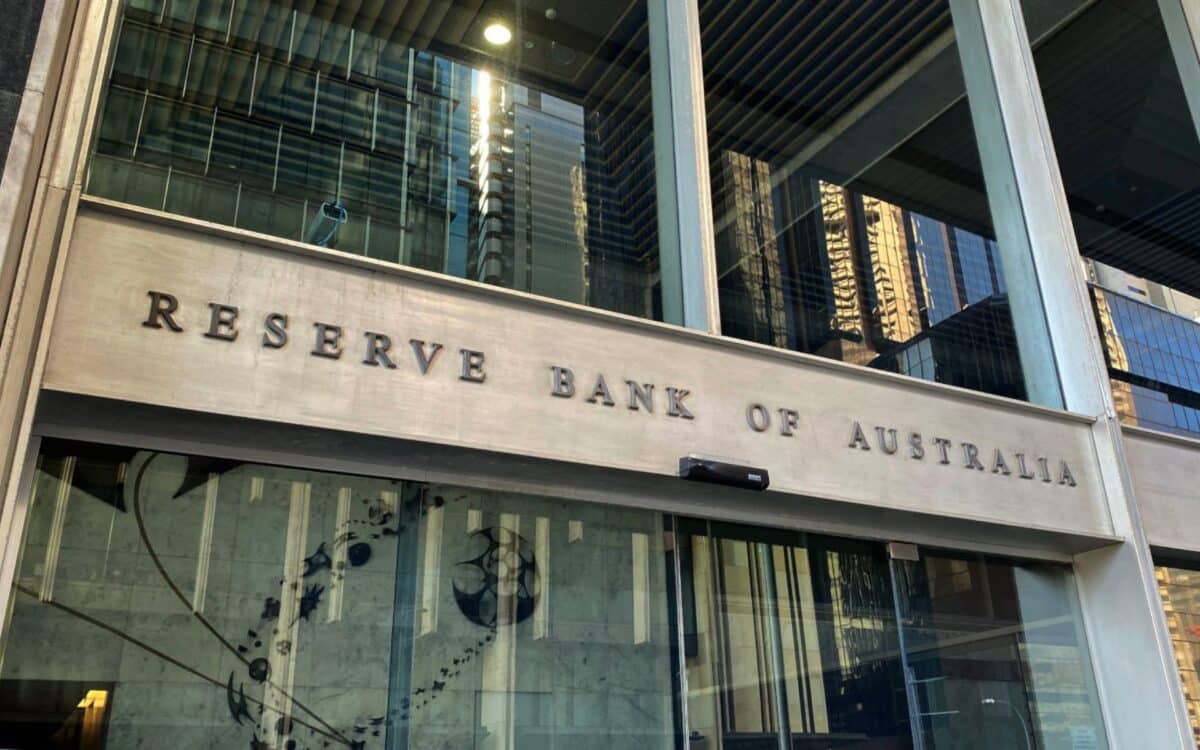
Australia’s central bank announced on Tuesday that it has reduced its benchmark interest rate for the third time in 2025, lowering it by a quarter of a percentage point to 3.6%. The decision, reported by APNews, follows earlier cuts interest rate in February and May, and places the cash rate at its lowest level since March 2023.
The move reflects a period of easing inflation and a slowdown in economic activity, with recent data showing softer consumer spending and weaker GDP growth. Financial markets had widely anticipated the change, viewing it as part of a gradual policy adjustment.
Third Cut in Six Months
The central bank lowered its cash rate from 3.85%, following earlier reductions from 4.35% in February and 4.1% in May. The February cut was the first rate reduction since October 2020. The new level is the lowest since March 2023.
While markets expected the central bank to act in July, the board voted 6-to-3 to wait for inflation data from the June quarter. This week’s decision to cut interest rates was unanimous, reflecting the board’s increased confidence that inflation is moving sustainably within the target range.
Governor Michele Bullock cited global economic uncertainty as a key factor:
Uncertainty in the world economy remains elevated. There is a little more clarity on the scope and scale of U.S. tariffs and policy responses in other countries, suggesting that more extreme outcomes are likely to be avoided – she said in a statement.
Inflation Trending Within Target Range
Australia’s annual inflation fell to 2.1% in May from 2.4% in April, well below the 7.8% peak in the final quarter of 2022. The trimmed mean — the central bank’s preferred measure of underlying inflation — declined from 2.8% in April to 2.4% in May.
Data for the June quarter showed trimmed mean inflation at 2.7%, down from 2.9% in the March quarter, reinforcing the case for further monetary easing.
Economic Growth Slowing
Treasurer Jim Chalmers welcomed the cut, saying:
This is very welcome relief for millions of Australians. It will put more money in the pockets of people who are under pressure.
Australia’s GDP grew just 0.2% in the March quarter, bringing annual growth to 1.3%. This compares to 0.6% growth in the December quarter of 2022. The slowdown reflects weaker consumer spending and softening demand for exports.
Employment Market Showing Early Signs of Strain
The unemployment rate rose to 4.3% in June, up from 4.1% where it had held steady between February and May, and from 4.0% in January. While job losses remain limited, the figures point to a gradual loosening in the labor market as businesses adjust to weaker demand.
The central bank cuts interest rate with the aim of steering inflation into its 2%–3% target range without triggering a recession or large-scale unemployment. Officials remain cautious about external risks, including trade tensions and their potential impact on Australia’s export-dependent economy.